Specialty Center

Peripheral Nerve Center

Our New York peripheral nerve center treats the nerves that branch through your arms and legs: neuropathy, compression, injuries and nerve tumors.

Peripheral Nerve Center Overview
About the Center

Our Peripheral Nerve Center

Nerve problems have a way of being dismissed: tingling that comes and goes, numbness you learn to live with, weakness that gets blamed on age. The Peripheral Nerve Center takes them at face value, starting with precise diagnosis and honest answers before any talk of treatment.

It is the most focused of our four centers, built around three subspecialties: the diagnosis and medical care of neuropathies, nerve compression, trauma and overuse, and tumors of the peripheral nerves such as neurofibroma. Neurosurgeons and orthopedic surgeons share these cases, because a nerve pinched at the wrist and one pinched at its root can feel identical until someone tests carefully, and the right treatment depends on which it is. The center sits alongside Brain, Spine and Bone & Joint at NeuroOrthoNYC, and it leans conservative: release, repair or removal only when the nerve genuinely needs it.

Why Our Peripheral Nerve Center

The NeuroOrthoNYC Difference

One case, seen from every angle: how the Peripheral Nerve Center approaches your diagnosis, your options and your plan.

Book an Appointment →

Testing Before Treating

Careful nerve studies find the true source before anyone plans a fix.

Shared by Both Surgical Sides

Neurosurgeons and orthopedic surgeons read these cases side by side.

Honest About Surgery

Release or repair only when the nerve needs it. We will tell you either way.

One Number, All of New York

Every metro office and surgical site is a single phone call away.

Subspecialties

What does the Peripheral Nerve Center cover?

Three areas of focus, narrow on purpose: neuropathy, nerve compression and injury, and nerve tumors.

Diagnostic & Medical Neuropathies

Careful nerve testing and medical treatment.

Nerve Compression, Trauma, & Overuse

Compressed, injured or overworked nerves.

Nerve Tumors

Nerve growths, such as neurofibroma.

Conditions

Which nerve conditions do we treat?

Symptoms, causes and every treatment option, explained in plain language, from first tingle to treatment plan.

Our Doctors

Meet the Peripheral Nerve Center team

Neurosurgeons and orthopedic surgeons who review nerve cases together. Every appointment is booked centrally through one number.


Locations

Where does the Peripheral Nerve Center see patients?

Outpatient offices for consultations and hospital surgical sites, across the New York metro area.
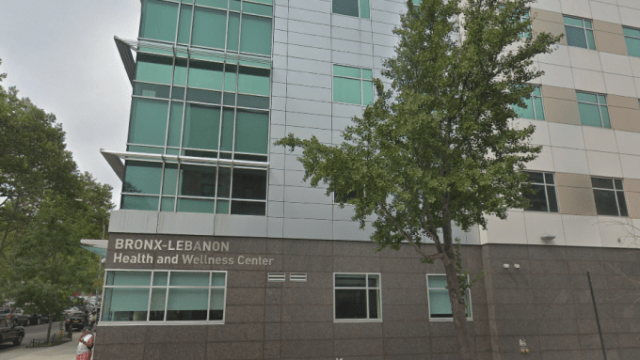
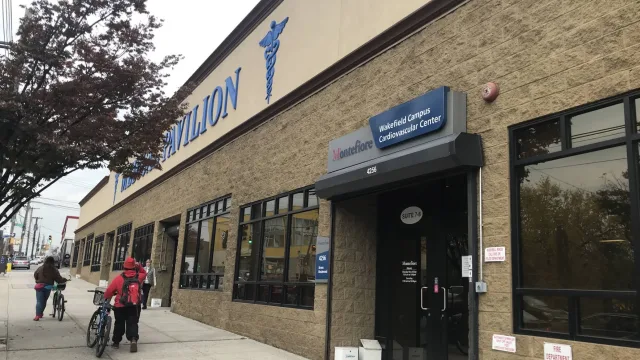
Outpatient Offices

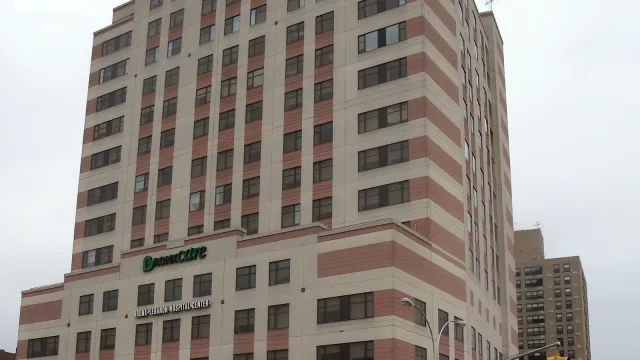
BronxCare Health and Wellness Center

199 Mount Eden Parkway
Bronx, NY 10457

Get Directions →

Bronx Office

4256 Bronx Blvd, Bronx, NY 10466

Get Directions →

Nassau University Medical Center

2201 Hempstead Tpke
East Meadow, NY 11554

Get Directions →
Surgical Sites

BronxCare Health System

1650 Grand Concourse
Bronx, NY 10457

Get Directions →

Garnet Health Medical Center

707 E Main St
Middletown, NY 10940

Get Directions →

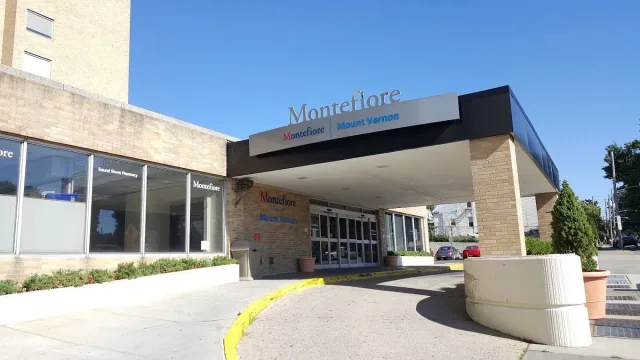
Montefiore Mount Vernon Hospital

12 N 7th Ave
Mount Vernon, NY 10550

Get Directions →

St. John’s Riverside Hospital

967 N Broadway
Yonkers, NY 10701

Get Directions →

St. Joseph Hospital

4295 Hempstead Turnpike
Bethpage, NY 11714

Get Directions →

Lenox Hill

100 E 77th St.
New York, NY 10075

Get Directions →

NYP Weill Cornell

525 E 68th St
New York, NY 10065

Get Directions →

NYU Langone Long Island

259 First St
Mineola, NY 11501

Get Directions →

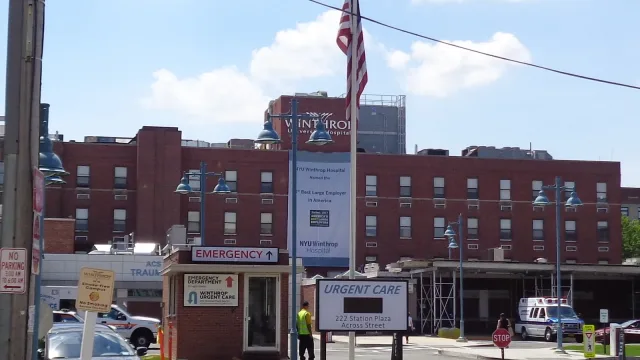
NYU Langone Medical Center

550 First Ave
New York, NY 10016

Get Directions →

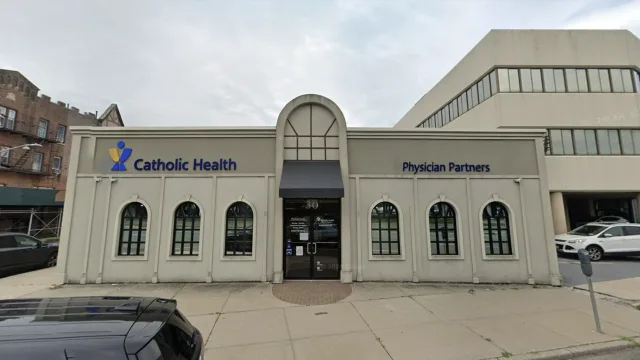
Catholic Health

30 E Sunrise Hwy, Valley Stream, NY 11581

Get Directions →

FAQs About the Peripheral Nerve Center

Straight answers to what patients ask us most, before the first visit.

Do I need surgery if I come to the Peripheral Nerve Center?
Not always, and many nerve problems settle without an operation. Compression and overuse injuries often respond to splinting, therapy, activity changes and time, and part of this center’s job is telling you honestly when patience is the better surgeon. When a nerve genuinely needs to be released, repaired or a tumor removed, we favor the least invasive approach that will work, and you will understand every option before anything is scheduled.
Should I see a neurosurgeon or an orthopedic surgeon for nerve symptoms?
You do not have to choose. Peripheral nerve cases sit between the two specialties, which is exactly why this center exists: both review these cases together, and where your treatment happens follows from where the nerve is troubled, not from which door you knocked on first. One appointment starts the process either way.
Can the center help if my tingling or numbness was dismissed elsewhere?
Yes, and you will not be talked out of your own symptoms here. Tingling, numbness and weakness that come and go are easy to shrug off and hard to live with, and careful nerve testing usually has an answer for them. Bring notes from earlier visits if you have them; knowing what has already been ruled out speeds everything up, and so does a note of what makes the symptoms worse.
How much does a peripheral nerve consultation cost in New York?
It depends on your insurance plan. We work with many major insurance plans and can help you verify your coverage before your visit. Call 914-303-6548 and our team will walk you through it, and bring your insurance card to your first visit so the details can be confirmed on the spot.
Do I need a referral to see a nerve specialist?
In most cases, no. You can book directly with our team by calling 914-303-6548 or by requesting an appointment online. If another physician referred you, bring their notes and any imaging they ordered.
How quickly can I be seen for worsening weakness?
We make room for urgent cases quickly, and progressive weakness in a hand, arm or leg is one of them. Call 914-303-6548 to find the earliest appointment at the office nearest you, and say on the call that the weakness is progressing.
What should I bring to my first appointment?
Bring a photo ID and insurance card, any nerve test results or imaging with the written reports, a list of current medications, and notes from prior care. A simple symptom diary helps more than people expect: when the tingling shows up, what wakes it at night, what quiets it down. With nerves, the pattern is half the diagnosis.