Arteriovenous Malformation Treatment in New York
Our New York arteriovenous malformation specialists carefully consider the risks of the malformation and its treatment for each case.
What is arteriovenous malformation ?
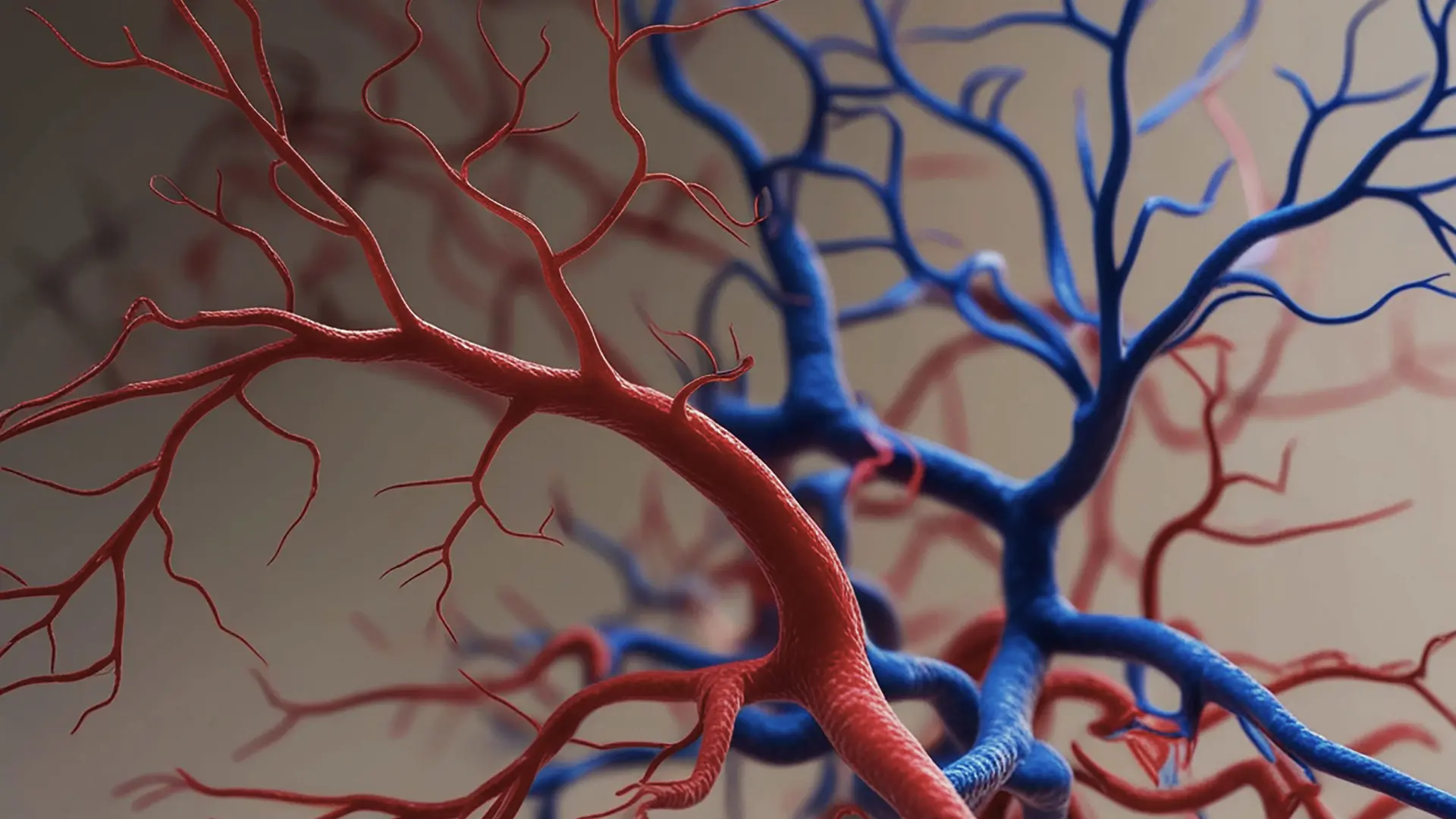
An arteriovenous malformation (AVM) is a congenital wiring issue, meaning it is present at birth rather than developing over time. Typically, arteries supply blood to small capillaries before it flows into the veins. In the case of an AVM, arteries connect directly to veins, bypassing the capillaries.
This direct connection causes vessels that cannot withstand arterial pressure to carry it, increasing their risk of bleeding and potentially leading to seizures. Understanding the flow and pattern of blood is essential for an accurate diagnosis before making any decisions.
See how it is treated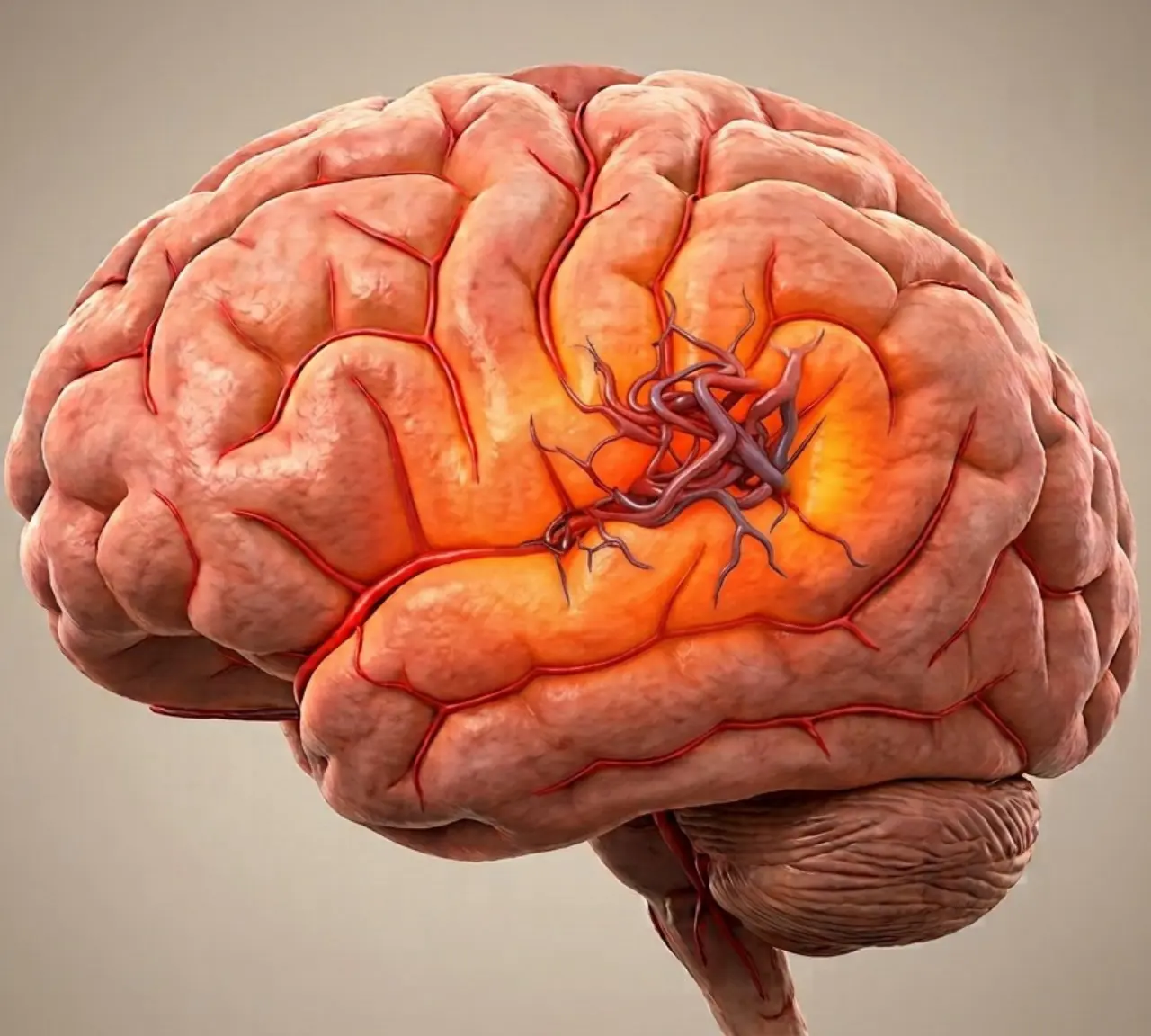
Arteriovenous malformation symptoms
An AVM often goes unnoticed until a scan or a bleed uncovers it. The signs can vary depending on its size and location. Here are four important signs to know.

Often nothing at all
In many people, it causes no symptoms, and doctors find it by chance during a scan done for something unrelated.

A first seizure
A first seizure may be the first sign that abnormal vessels are irritating nearby brain tissue.

Sudden severe headache
Severe headache with weakness, changes in speech, or vomiting may indicate bleeding and requires emergency care.

Whooshing or persistent headache
A rhythmic whooshing sound in one ear or a headache localized to one area may prompt vascular imaging.
What causes a tangle of abnormal blood vessels in the brain?
An AVM is a congenital tangle of blood vessels formed before birth, not caused by anything you did. Here are its origins and a few exceptions.
Book an Appointment →-
01
Present from before birth
An AVM is a developmental abnormality of the blood vessels that is present before birth in nearly every case.
-
02
No preventable cause
There is no known preventable cause, and nothing you did caused it, which is worth stating plainly.
-
03
A rare inherited condition
A rare inherited condition, hereditary hemorrhagic telangiectasia, raises the risk of an AVM in a small number of families.
-
04
A changing flow pattern
Changes in the AVM's flow pattern over time can affect the level of risk it presents.
-
05
Residual or recurrent AVM
A residual or recurrent AVM following previous treatment requires careful evaluation, and we manage it effectively here.

How is arteriovenous malformation diagnosed?
History and a neurological exam
We ask about seizures, headaches, and any weakness, and listen for a bruit, the whooshing sound turbulent flow can make.
Mapping the vessels and bleeding
CT checks for acute bleeding. MRI, MRA, and catheter angiography map the AVM, feeding arteries, draining veins, and nearby brain pathways. Treatment is recommended when the risk posed by the AVM exceeds the risk of treating it.
Risk reviewed from two perspectives
A neurosurgeon and an orthopaedic spine surgeon review the case together, grading the AVM by size, location, and drainage before making a recommendation.
Your options, explained clearly
You leave with an understanding of your own risk, the risk of each option, and the reasons for recommending monitoring, radiosurgery, or surgery.
Arteriovenous malformation treatment, from conservative care to surgery
Arteriovenous malformation treatment depends on each case. It balances the risk of future bleeding against the immediate and long-term risks of different interventions.
Monitoring and non-surgical care
Sometimes the safer choice, not a lesser one.
- Scheduled imaging when treatment risk is greater than the risk carried by the AVM.
- Seizure medication to reduce episodes while the structural plan is being decided.
- Blood pressure management to protect the brain as a whole and the vascular system.
- Stereotactic radiosurgery, coordinated with radiation oncology, which closes selected AVMs gradually while monitoring continues.
Surgery and endovascular treatment
Arteriovenous malformation doctors may combine approaches.
- Microsurgical removal of an AVM whose location and anatomy make resection appropriate.
- Endovascular embolization to reduce flow as treatment or before surgery or radiosurgery.
- Combined staged treatment for a larger or more complex vessel network.
- Emergency surgery when bleeding causes dangerous pressure, or further treatment for a residual AVM.

When it cannot wait: a sudden severe headache unlike any before, sudden weakness, numbness, or loss of speech, a first seizure, a sudden loss of consciousness, or sudden vomiting with a severe headache. Call 911 or go to the nearest emergency department now.
Doctors who treat Arteriovenous Malformation (AVM) in New York
Academically trained neurosurgeons and orthopaedic spine surgeons serving the New York metro area provide prompt, evidence-based review with neurovascular partners.