Cavernous Malformation Treatment in New York
Our New York cavernous malformation specialists assess imaging, symptoms, and bleeding history, opting for monitoring or surgery only when necessary.
What is cavernous malformation ?
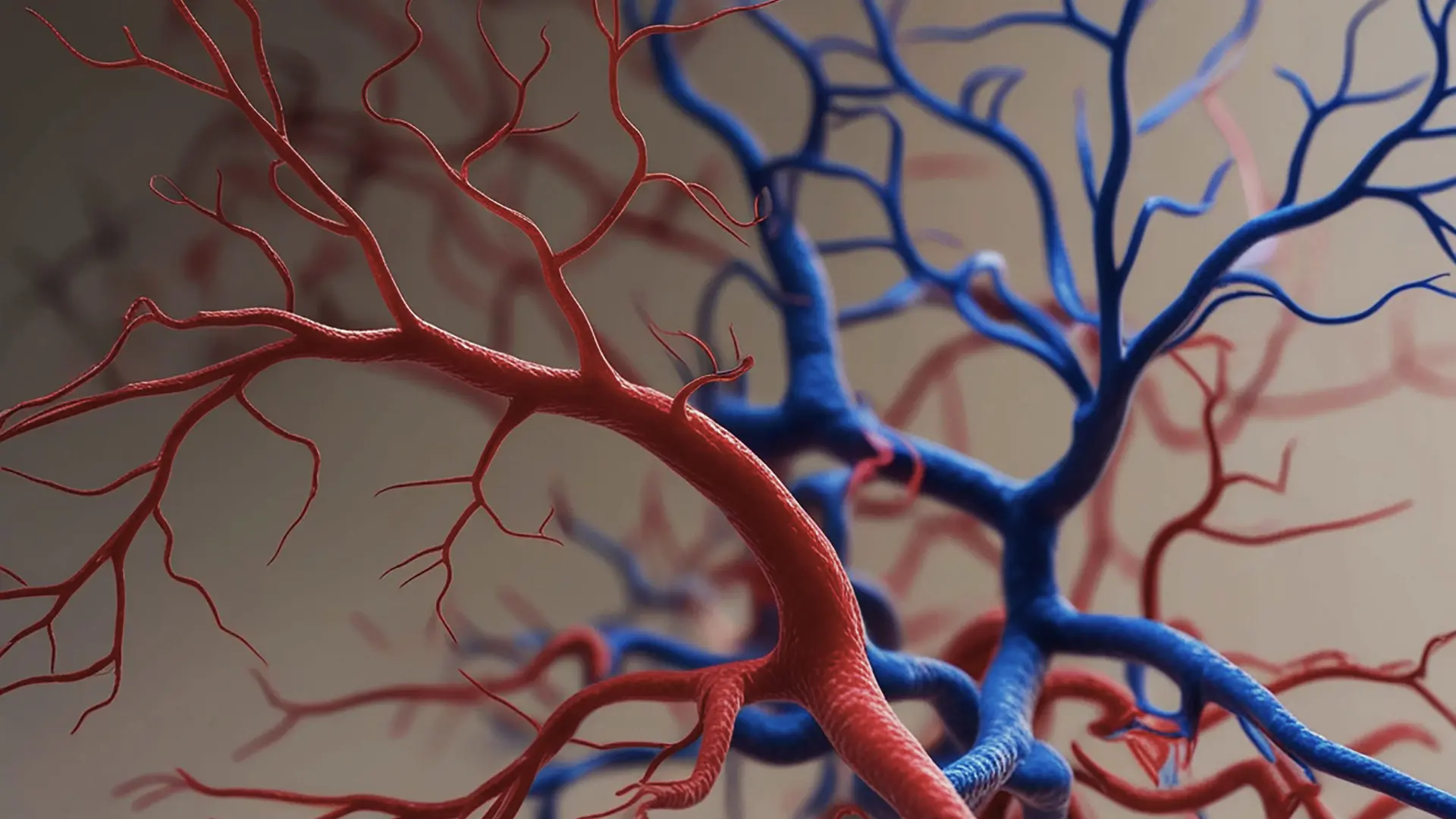
A cavernous malformation is a low-flow cluster of small vessels. This is very different from the high-pressure tangle of an AVM. This difference is why it behaves more quietly. The thin-walled spaces are packed together like a small mulberry, and blood moves slowly through them.
Since the flow is gentle, they tend to leak a bit instead of bleeding heavily. Symptoms often build gradually or come and go. It is essential to determine where it is and how it has behaved for an accurate diagnosis.
See how it is treated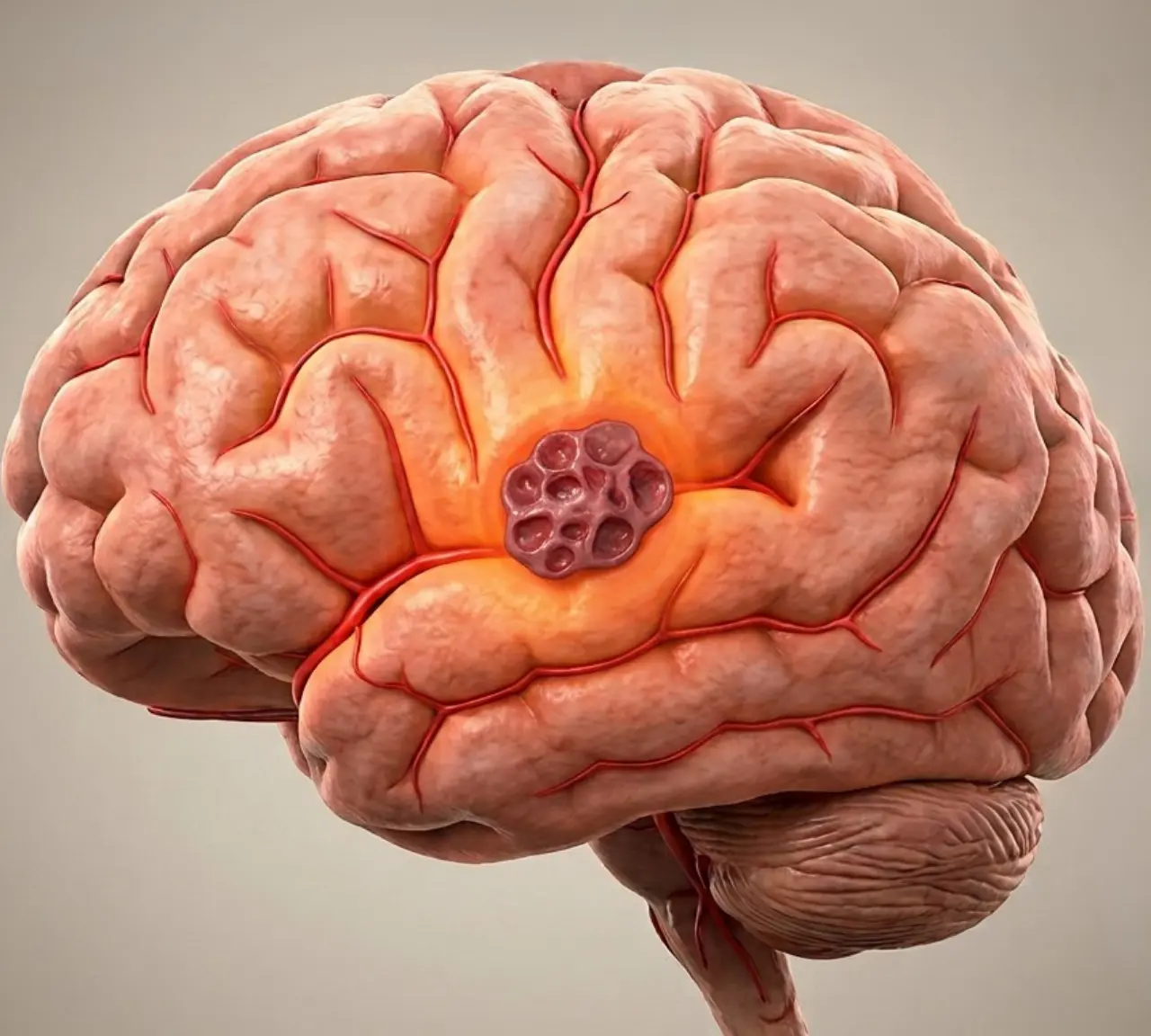
Cavernous malformation symptoms
A cavernoma often causes no symptoms at all. When it does, the symptoms depend on its location. Here are the four most common symptoms.

Often nothing at all
Many malformations cause no symptoms and are found incidentally when MRI is performed for another reason.

A first seizure
A first seizure is a common symptom when the malformation is located within a cerebral hemisphere.<br>

Headache in the same spot
Headache may recur in the same location, but its cause still needs careful clinical review.

Weakness, numbness, or double vision
Any sudden weakness, numbness, double vision, speech trouble, or unsteadiness needs prompt assessment, especially if a brainstem lesion is present.
What causes a tangle of cavernoma ?
Most cavernomas develop independently, although familial patterns change the situation.
Book an Appointment →-
01
A single sporadic malformation
One malformation appearing on its own with no family history, which is by far the most common situation.
-
02
An inherited familial form
Multiple malformations or affected relatives can point to an inherited genetic change.
-
03
Earlier radiation to the brain
Radiation given to the brain years earlier, which can produce these clusters long afterward.
-
04
A nearby vein anomaly
A developmental venous anomaly is often found beside a sporadic cavernous malformation.
-
05
Repeated bleeding or leftover malformation
A cluster that has bled more than once or a malformation left after earlier surgery needs dedicated review.

How is cavernous malformation diagnosed?
Your history and a neurological exam
The review covers seizures, headache patterns, strength, sensation, vision, speech, balance, prior bleeding, family history, radiation, and previous surgery.
MRI and prior bleeding
MRI detects a mulberry pattern missed by standard angiograms. An asymptomatic cavernoma is monitored rather than removed, as surgery for asymptomatic cavernomas can be risky.
Reviewed together by both specialties
Neurosurgeons and orthopaedic spine surgeons jointly assess the lesion, surrounding brain pathways, bleeding history, seizure pattern, and safest surgical route together.
Monitoring or surgery explained
The plan recommends MRI follow-up, seizure care, genetic counseling, bleeding risk assessment, and intervention to protect long-term function.
Cavernous malformation treatment, from conservative care to surgery
Many cavernomas are monitored indefinitely. Surgery is considered only for repeated bleeding, seizures that medication cannot control, or symptoms that continue to progress.
Monitoring and medication
The usual plan for an asymptomatic cavernoma.
- Scheduled MRI monitoring, the usual plan for an incidental finding.
- Medication for seizure control, which is often effective on its own.
- A review of any blood thinners with the physician who prescribed them.
- Genetic counseling when several malformations suggest a familial form.
Surgery for selected cases
Cavernous malformation surgeons plan around location and function.
- Microsurgical removal after repeated bleeding or for seizures that medication does not control.
- Specialized brainstem approaches when bleeding or progressive symptoms justify the added surgical risk.
- Surgery for a bleed causing dangerous pressure or worsening neurologic function.
- Repeat surgery when residual malformation remains after a previous operation.

When it cannot wait: a first seizure, sudden severe headache unlike any before, sudden weakness or numbness, new double vision, or difficulty speaking or swallowing needs emergency care. Call 911 now or go to the nearest emergency department.
Doctors who treat Cavernous Malformation in New York
Our cavernous malformation surgeons pair academically trained neurosurgeons with orthopaedic spine surgeons, reviewing every case together in the New York metro area.