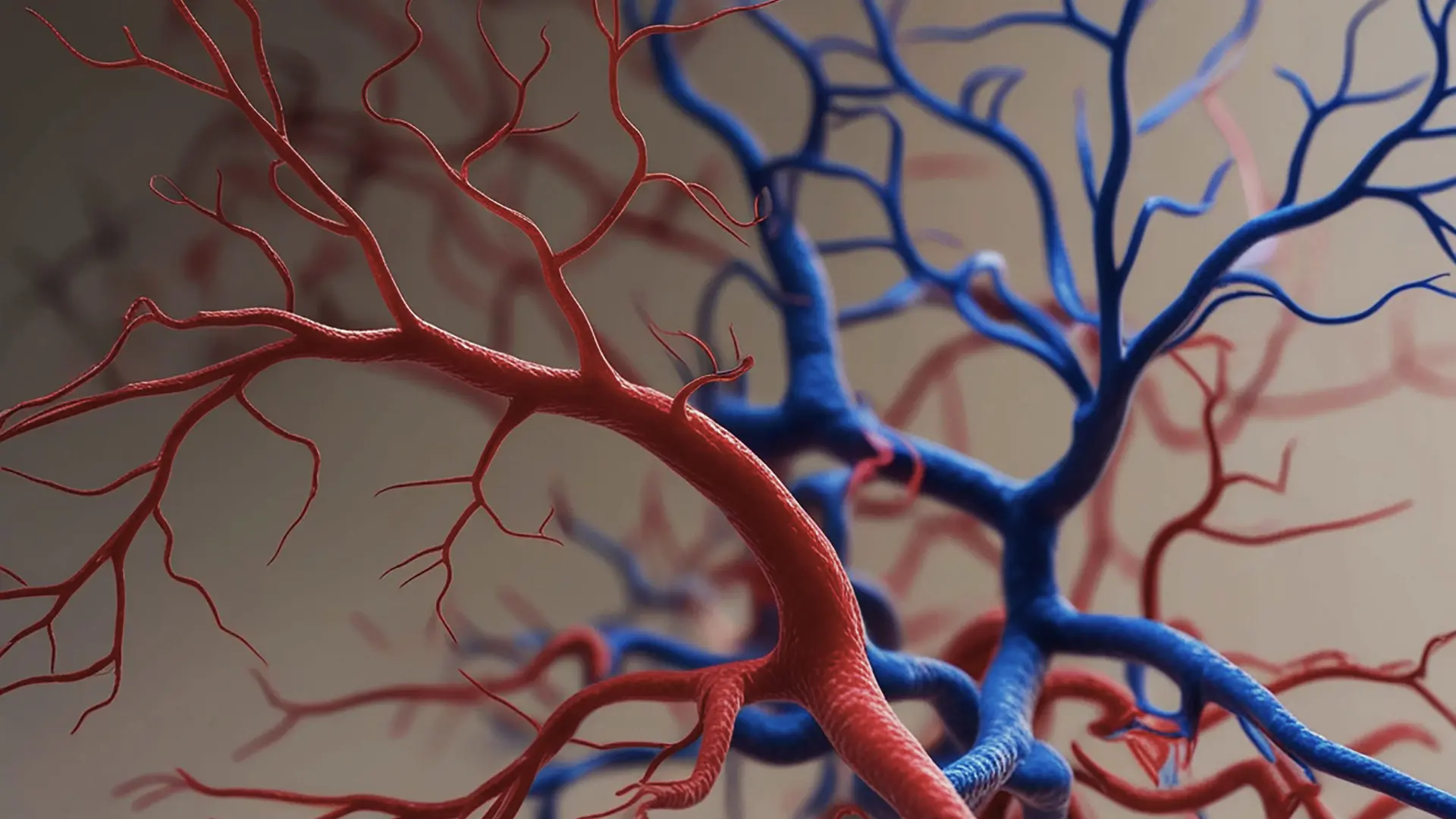
Carotid Artery Stenosis Treatment in New York
Our New York carotid artery stenosis specialists review symptoms and artery imaging together, choosing medical care or intervention according to stroke risk.
What is carotid artery stenosis ?
Carotid artery stenosis means that plaque has narrowed one of the carotid arteries in the neck. The issue is in the neck, but the risk it creates is in the brain. These arteries carry blood to the front of the brain, and narrowing often occurs without pain or any other warning signs.
Plaque or a small clot can break loose and travel upward, blocking a smaller vessel in the brain. Severe narrowing can also reduce blood flow. This is why there is concern about a transient ischemic attack or stroke. An accurate diagnosis is what makes treatment effective.
See how it is treated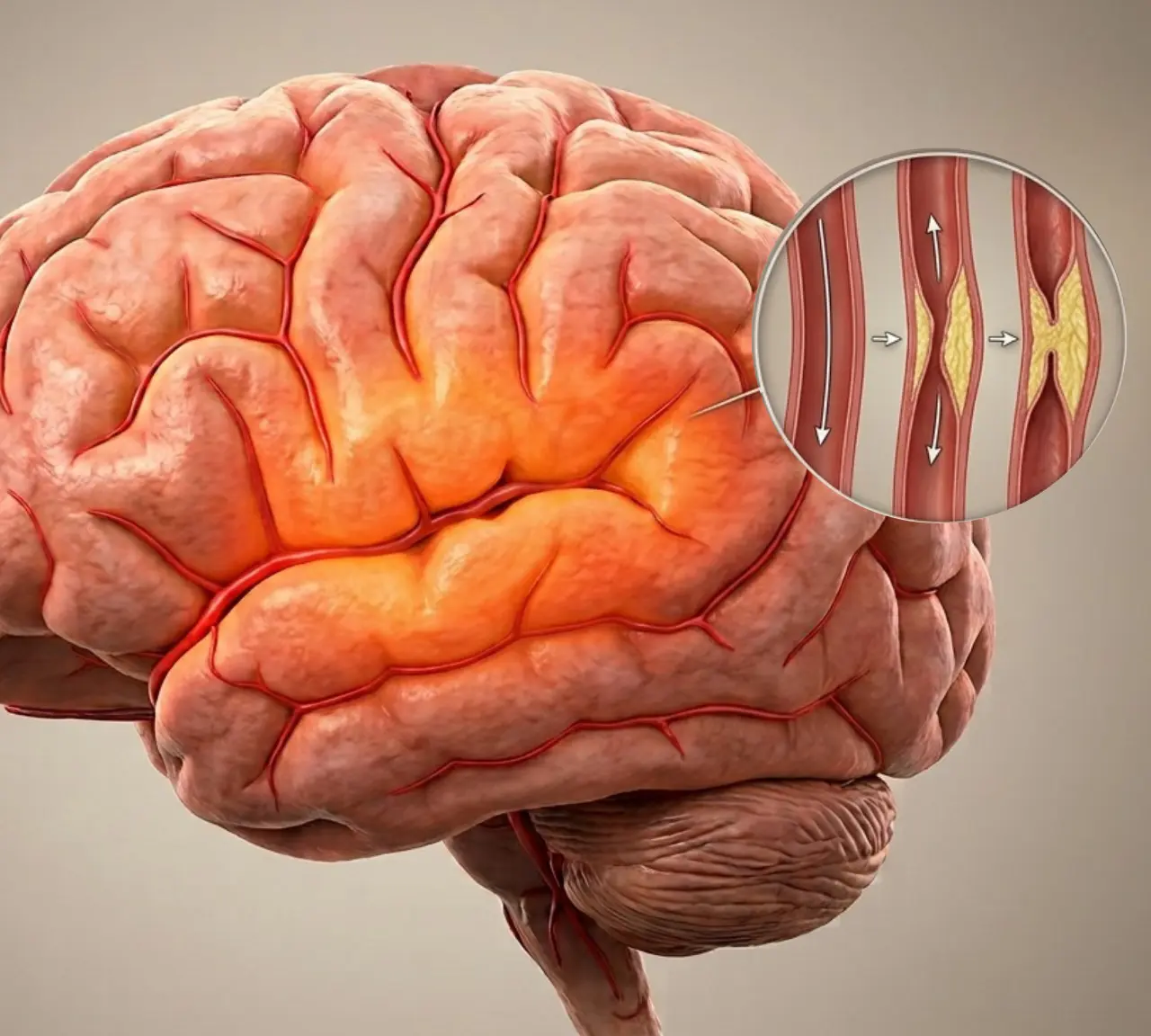
Carotid artery stenosis symptoms
The narrowing itself is usually silent, and the first sign is often a warning sign of a stroke. These are the common symptoms to watch out for.

Often nothing at all
The narrowing usually causes no symptoms and may be found after a whooshing sound prompts vascular imaging.

Sudden weakness or numbness on one side
Sudden weakness or numbness on one side of the body or face that comes on without warning.

Sudden trouble with speech
Speech may become slurred or difficult, or familiar words may suddenly become hard to understand.

A curtain over one eye
Temporary blindness in one eye, like a curtain falling, needs emergency assessment even if sight returns.
What causes narrowing of the neck artery ?
Almost all narrowing of the neck artery is due to atherosclerosis. Most risk factors for atherosclerosis are ones you can change. Here are the main ones.
Book an Appointment →-
01
Atherosclerosis
Fat, cholesterol, calcium, and inflammatory material collect within the artery wall and narrow it.
-
02
Blood pressure, cholesterol, diabetes
High blood pressure, unhealthy cholesterol, and diabetes speed plaque buildup but can be treated.
-
03
Smoking
Smoking damages artery walls and remains the most important modifiable risk factor.
-
04
Age and family history
Risk increases with age and with a family history of atherosclerotic vascular disease.
-
05
Recurrent or radiation-related narrowing
Narrowing after prior surgery, stenting, or neck radiation requires dedicated review of altered anatomy.

How is carotid artery stenosis diagnosed?
Symptoms, risks, and examination
We go through your stroke risk factors and any symptoms, then listen over the artery for a bruit caused by turbulent blood flow.
Ultrasound, then targeted imaging
Duplex ultrasound estimates narrowing and blood flow. CTA or MRA can clarify anatomy when needed. If narrowing is moderate and there are no symptoms, medical treatment and monitoring may be the preferred options.
Artery findings reviewed together
Neurosurgeons and orthopaedic spine surgeons review symptoms, ultrasound measurements, artery anatomy, plaque features, prior procedures, and stroke risk together.
A plan matched to your actual risk
You leave with a clear understanding of the severity of the narrowing. You also know if medication is the right choice for now. Plus, you learn what factors might lead to a procedure.
Carotid artery stenosis treatment, from conservative care to surgery
Modern medical care is effective for many people. However, symptoms, severity, anatomy, and overall health determine whether a procedure to treat the artery is beneficial.
Medical treatment and monitoring
Medical care is the first-line treatment for many people.
- Medication to manage blood pressure, cholesterol, and diabetes.
- Antiplatelet medication when indicated to reduce clot formation.
- Smoking cessation support to prevent further vessel injury and lower vascular risk.
- Scheduled ultrasound monitoring with coordinated neurology, cardiology, and primary care.
Procedures for selected cases
For tight narrowing or after a warning stroke.
- Carotid endarterectomy to open the neck artery and remove plaque from its wall.
- Carotid stenting when anatomy or medical factors favor a less invasive approach.
- Timely treatment after a warning stroke when symptoms suggest carotid artery disease and imaging confirms narrowing.
- Repeat intervention when narrowing returns after previous endarterectomy or stenting.

When it cannot wait: sudden drooping on one side of the face, weakness in an arm or leg, difficulty speaking or understanding, loss of vision in one eye, or severe unsteadiness requires emergency care. Call 911 now, even if symptoms have passed, because a warning stroke needs urgent assessment.
Doctors who treat Carotid Artery Stenosis in New York
Our carotid artery stenosis doctors include neurosurgeons and orthopaedic spine surgeons. They review each case together with neurologists and cardiologists throughout the New York metro area.