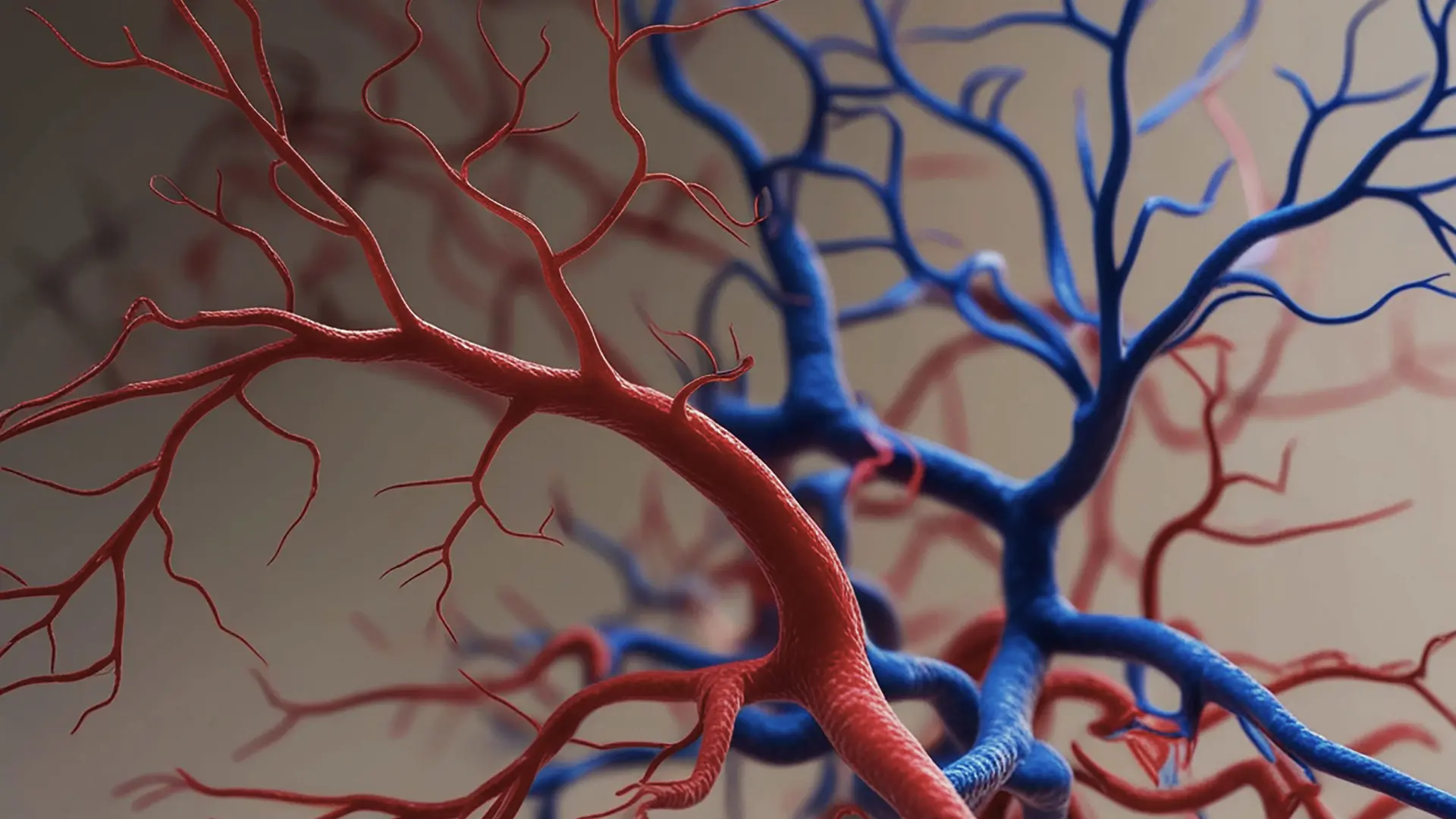
Transient Ischemic Attack Treatment in New York
Our New York transient ischemic attack doctors treat a warning stroke as the urgent event it is, even after the symptoms have disappeared.
What is transient ischemic attack ?
A transient ischemic attack is a warning event, not a minor problem that has passed. It means part of the brain temporarily lost blood flow. Even if all symptoms go away, the chance of a stroke is highest right after. So, quick assessment is still important.
A clot or plaque fragment briefly blocks a brain vessel and then clears, allowing function to return. The source of that fragment may remain in the neck artery or heart and produce another blockage. Quickly identifying that cause is essential for an accurate diagnosis.
See how it is treated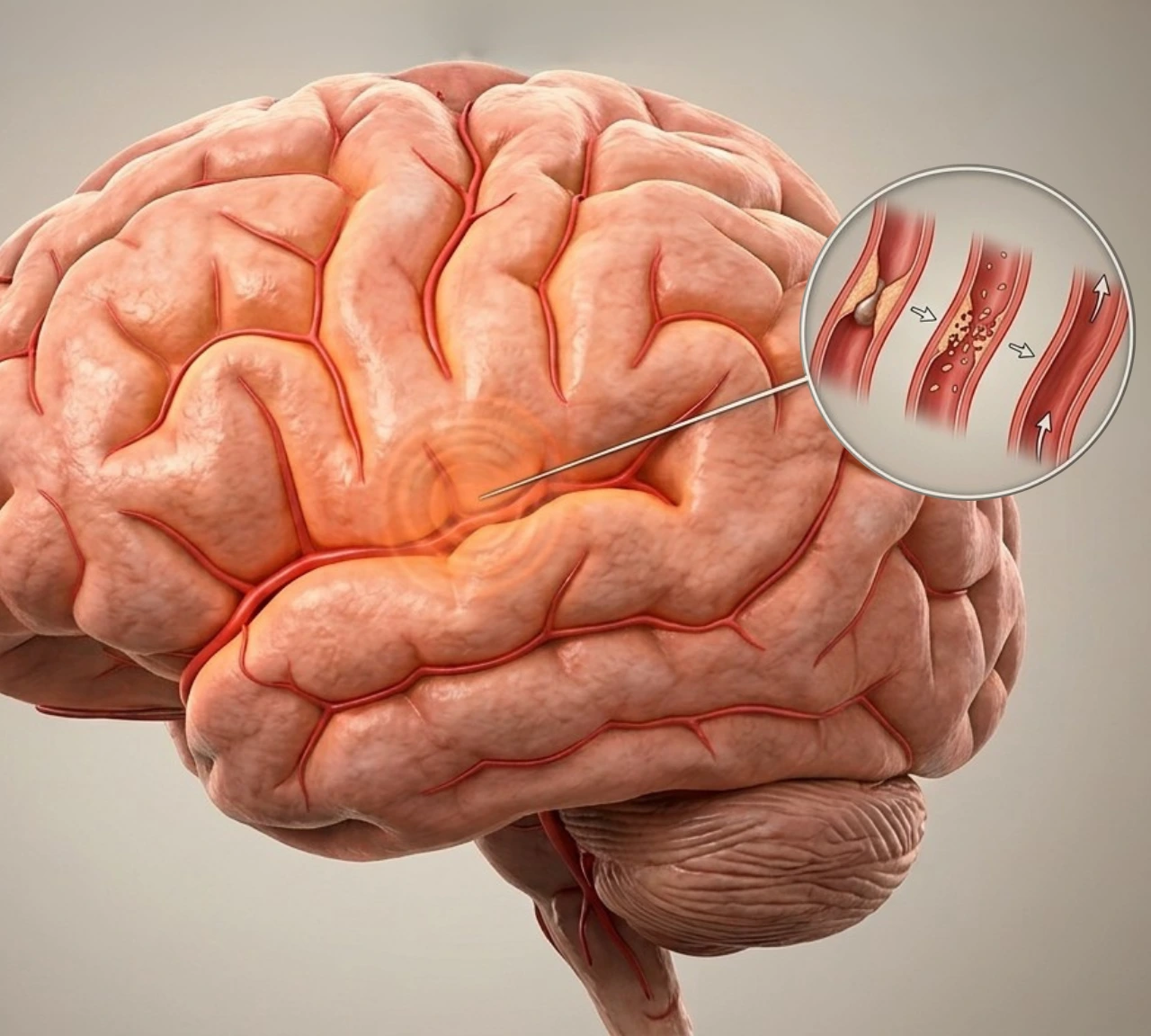
Transient ischemic attack symptoms
Because a warning stroke resolves on its own, it’s easy to think the danger has passed. However, it has not. Watch for the four signs listed below.

Sudden weakness or drooping on one side
Weakness or drooping on one side of the face or body, lasting minutes to an hour, then resolving completely.

Sudden trouble with speech
Sudden difficulty speaking or understanding others, with slurred or muddled speech that soon returns to normal.

A curtain over one eye
A temporary loss of vision in one eye, often described as a curtain coming down and then lifting again.

Sudden unsteadiness or double vision
Sudden severe unsteadiness or double vision needs the same urgent response, even after it settles on its own.
What causes TIA ?
A warning stroke means a temporary interruption of the brain's blood supply, and the source is what matters. These are the usual causes of a TIA.
Book an Appointment →-
01
Plaque from a neck artery
Most often, a fragment breaks from plaque in a narrowed carotid artery and travels to the brain.
-
02
A clot from the heart
Atrial fibrillation and other heart conditions can send a clot into the brain circulation.
-
03
Narrowed small vessels in the brain
High blood pressure and diabetes can narrow small vessels deep within the brain.
-
04
A torn artery wall
An arterial dissection, a tear in the wall of a vessel, is a leading cause in younger patients.
-
05
Another warning or completed stroke
The source may trigger another transient ischemic attack or a completed stroke soon afterward.

How is transient ischemic attack diagnosed?
Your account and a neurological exam
The exact onset, duration, affected function, recovery, prior episodes, medications, vascular risks, and witness details are essential to the neurologic assessment.
MRI, carotid imaging, and an ECG
The core tests include an MRI of the brain, imaging of the neck arteries, and a heart rhythm check. This assessment is urgent and should be completed together. It’s important to find the source before another episode occurs.
Review by two specialties
A neurosurgeon and an orthopaedic spine surgeon review the case together, alongside neurologists and cardiologists, since the source may lie in the artery or the heart.
A treatment plan aimed at the source
The plan recommends the source, immediate treatment, risk factors, and whether a TIA or stroke specialist should take over.
Transient ischemic attack treatment, from conservative care to surgery
Transient ischemic attack treatment starts with same-day assessment, even after symptoms resolve, then uses medication and source-directed care to prevent stroke.
Medication and stroke prevention
The same-day priority for a warning stroke.
- Urgent assessment to find the source, including imaging of the neck arteries and the heart.
- Antiplatelet or anticoagulant medication to prevent clot formation.
- Management of blood pressure, cholesterol, and diabetes, with smoking cessation support.
- Coordinated care with neurology and cardiology.
Surgery, aimed at the source
When a neck artery or vessel is the confirmed cause.
- Carotid endarterectomy to remove plaque from a confirmed symptomatic neck artery narrowing.
- Carotid stenting for selected people whose anatomy or medical factors favor that approach.
- Vascular treatment for arterial dissection or other abnormalities in carefully selected cases.
- Procedures address the source rather than the resolved event, and timely treatment can matter.

When it cannot wait: sudden weakness or drooping on one side, sudden difficulty speaking or understanding, sudden loss of vision in one eye, or sudden severe unsteadiness. Call 911 now, even if the symptoms have resolved, and note the time they started.
Doctors who treat Transient Ischemic Attack in New York
Our neurosurgeons and orthopaedic spine surgeons review each case together. They consult with a TIA specialist for second opinions and follow-up in the New York metro area.