
CSF Leak Treatment in New York
Our New York cerebrospinal fluid leak doctors review your case together, starting with rest and a blood patch before considering any surgical repair.
What is cerebrospinal fluid leak ?
A cerebrospinal fluid leak is a tear in the tough membrane that holds in the fluid cushioning your brain and spinal cord. Through that tear, the fluid slowly escapes and the pressure around the brain drops. The problem is low pressure, not anything wrong inside your head.
With less fluid to float in, the brain settles lower whenever you stand, and that is what brings on the headache. Lying flat lets the pressure build back up, so the pain eases. That upright-worse, flat-better pattern is the clearest sign, and it usually settles the diagnosis.
See how it is treated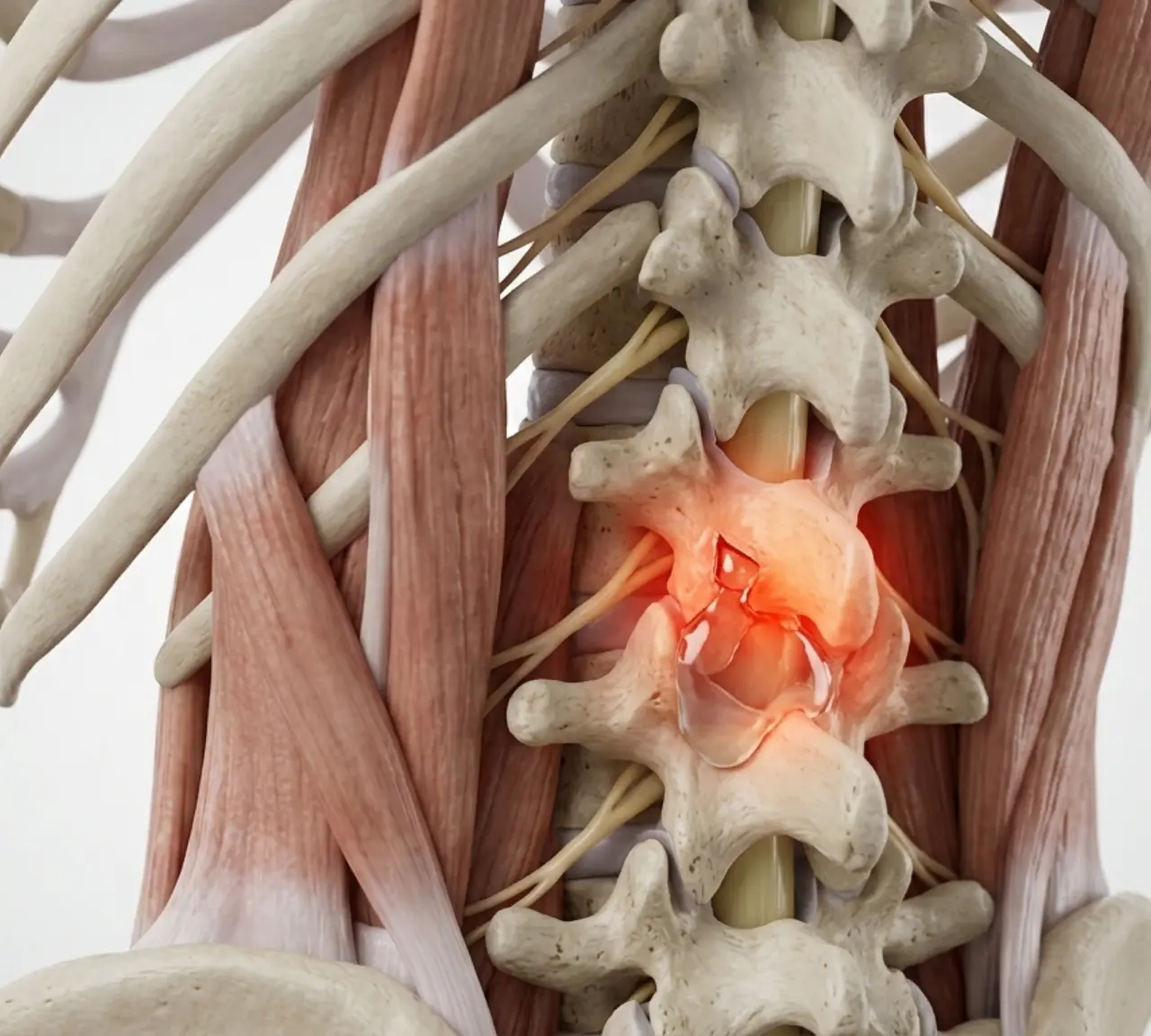
Cerebrospinal fluid leak symptoms
The symptoms follow the fluid pressure, so they change with your position. These are the ones that point to it.

A headache that depends on position
Worse within minutes of standing and better within minutes of lying flat; this pattern deserves specialist review.

Neck pain and stiffness
Neck pain, stiffness, or pain between the shoulder blades often travels with the pressure headache.

Ringing, muffled hearing, or ear pressure
Ringing, muffled hearing, or ear pressure can make familiar sounds feel distant or distorted.

Nausea, light sensitivity, and trouble concentrating
Nausea, light sensitivity, and difficulty concentrating can make reading, screens, work, or conversation harder.
What causes a spinal fluid leak ?
A leak starts with a tear in the dura, the tough covering that holds the fluid in. A few things cause that tear.
Book an Appointment →-
01
A spontaneous tear in the dura
Often at a weak point, or where a bone spur has slowly worn through the covering.
-
02
A previous spinal procedure
An epidural injection, a lumbar puncture, or spine surgery can leave an opening behind.
-
03
Trauma to the head or spine
A fall, a car accident, or a hard blow can tear the covering.
-
04
A connective tissue condition
Conditions that make tissues more fragile, such as Ehlers-Danlos, leave the dura easier to tear.
-
05
A leak that keeps coming back
A leak after previous patching or repair needs dedicated review to locate the source.

How is cerebrospinal fluid leak diagnosed?
Your history and the headache pattern
We ask exactly how the headache behaves with standing and lying down, since that pattern is often more telling than any scan.
Imaging chosen to locate the leak
Because the position-dependent headache pattern is often more reliable than early imaging, we start with your history and examination, and choose specialized imaging only when it will locate the leak.
Brain, dura, and spine review
A neurosurgeon and an orthopaedic spine surgeon review the case together, since the tear and its repair fall squarely between their two fields.
Next step explained
A cerebrospinal fluid leak specialist explains what likely opened, how to confirm it, and which treatment should come first.
Cerebrospinal fluid leak treatment, from conservative care to surgery
We start with conservative treatments, since many leaks close on their own, then step up to a blood patch and, if needed, repair.
Conservative care first
Start with the least invasive help
- Flat bed rest, fluids, and caffeine for a short period when symptoms and safety allow.
- Time for many small leaks to close on their own.
- Targeted epidural blood patch, which can help confirm and treat the leak.
- Treatment of an underlying connective tissue issue where relevant.
Surgery, when a leak will not close
Once it is located precisely
- Surgical repair of a located dural tear when patching does not seal it.
- Removal of a bone spur that has worn through the covering.
- Ligation or repair of a fluid venous fistula that diverts spinal fluid.
- Revision repair when a cerebrospinal fluid leak returns after previous treatment.

When it cannot wait: a headache with fever, a stiff neck, or confusion; a sudden change in alertness; or clear fluid draining from the nose or ear after a head injury. Call 911 or go to the nearest emergency department now.
Doctors who treat CSF Leak in New York
Our CSF leak doctors serve the New York metro area by combining neurosurgery and orthopaedic spine review for each suspected spinal leak.