Stroke Treatment in New York
Our New York stroke specialists review your case as one team, starting with evaluation, prevention, and the care that protects your brain.
What is a stroke ?
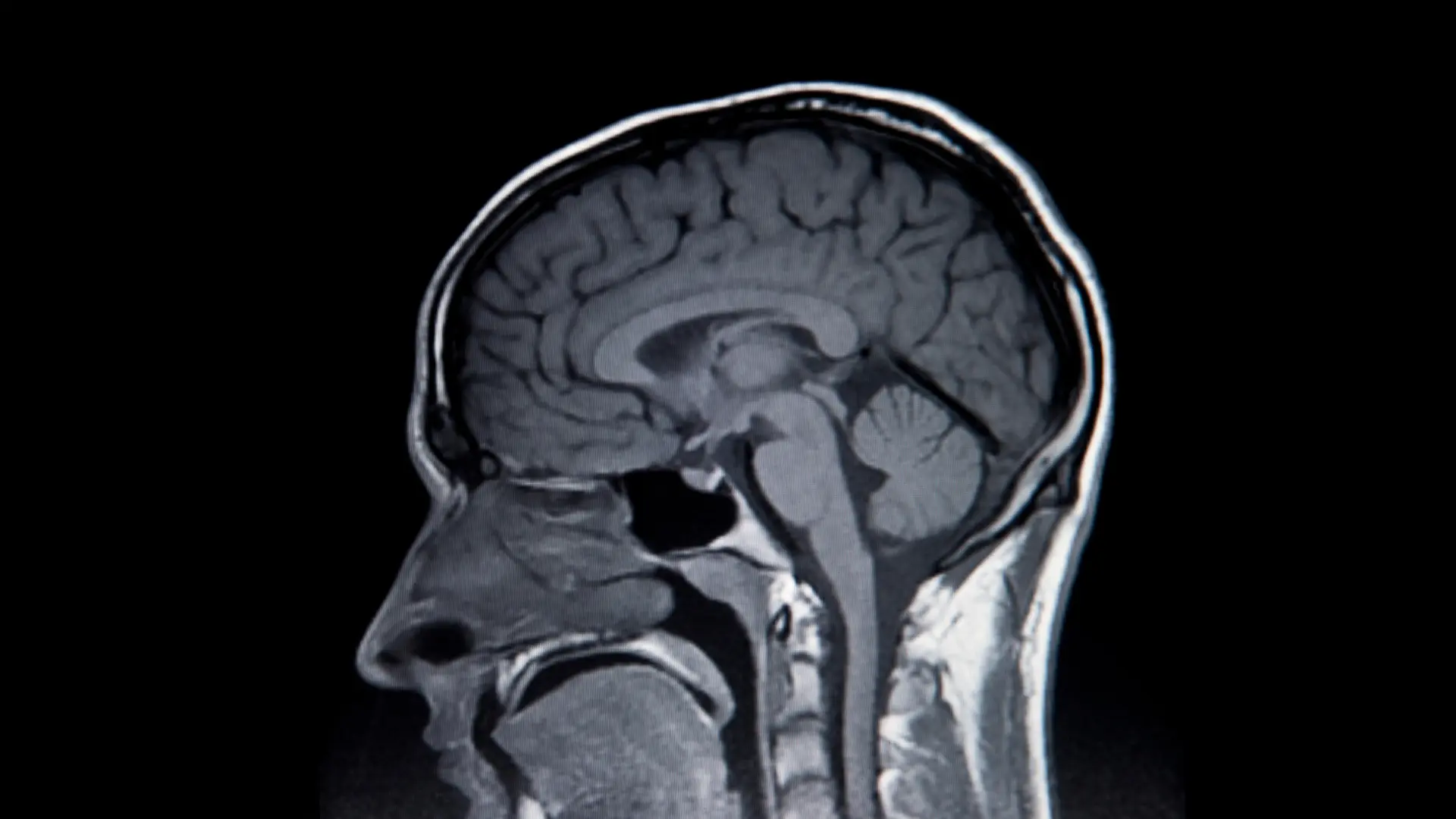
A stroke happens when blood flow to part of the brain is suddenly cut off. Brain cells need a steady supply of blood every minute, so when a vessel is blocked or bursts, that area quickly stops working. Which part of the brain is affected explains the symptoms you notice.
That is why the symptoms appear all at once, and why getting care fast matters so much. Working out whether a clot or a bleed caused it, and exactly where, is what points to the right treatment.
See how it is treated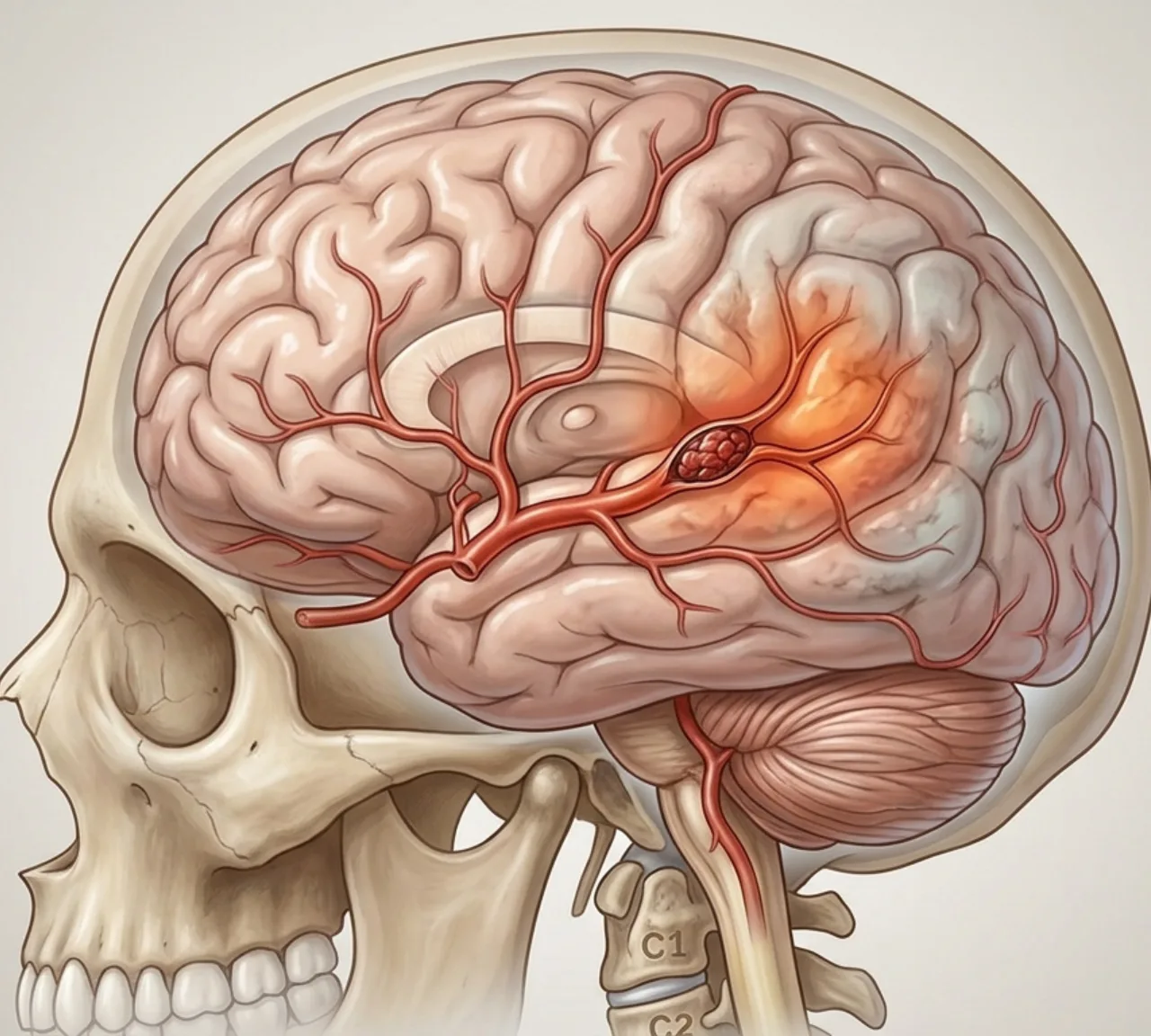
Stroke symptoms
A stroke comes on suddenly. Familiarize the signs below; any one of them, appearing out of nowhere, is a reason to call 911 right away.

Weakness or drooping on one side
Sudden weakness, numbness, or drooping of the face, arm, or leg, usually on one side of the body.

Sudden trouble with speech
Sudden difficulty speaking, slurred words, or trouble understanding what other people are saying.

Sudden vision or balance loss
Sudden loss of vision, double vision, or severe unsteadiness, dizziness, or loss of coordination.
A sudden, severe headache
A sudden, severe headache with vomiting or loss of consciousness can point to bleeding and needs emergency care right away.
What causes a stroke ?
A stroke happens in one of two ways: a vessel is blocked, or a vessel bleeds. Which one, and why, guides prevention, so we look for the specific cause behind the event.
Book an Appointment →-
01
A clot in a brain artery
A clot blocking an artery in the brain, which accounts for most cases and is called ischemic stroke.
-
02
A clot that traveled
A fragment traveling from the heart or from a narrowed neck artery and lodging in the brain.
-
03
Bleeding from a burst vessel
Bleeding into the brain from a burst vessel, called hemorrhagic stroke, often linked to high blood pressure.
-
04
A ruptured aneurysm or malformation
A ruptured aneurysm, or an arteriovenous malformation, causing bleeding into or around the brain.
-
05
Less common causes
Arterial dissection, clotting disorders, or inflammation of the vessels, which need specialist investigation, especially in younger patients with no obvious risk factors.

How is a stroke diagnosed?
Rapid exam and history
We assess your symptoms, your health, and the timeline, because the time since the symptoms began affects which treatments are still possible.
Immediate brain imaging
A CT or MRI tells a blockage or a bleed. Investigation is directed at finding the specific cause rather than running every available test, because it is the cause that determines how we prevent the next one.
Team review
Neurosurgeons review your imaging alongside the stroke and neurology team, so the plan reflects both surgical and medical expertise.
The plan, in plain language
You, or your family, leave understanding the cause, the risks, and every option, from prevention to surgery.
Stroke treatment, from conservative care to surgery
Emergency care happens in a hospital stroke service. Our role is evaluation, prevention, and recovery, plus the surgery some causes need.
Non-surgical remedies
Finding the cause and lowering the risk
- Finding the specific cause of the event, which decides how the next one is prevented.
- Managing blood pressure, cholesterol, and diabetes, the leading drivers of risk.
- Antiplatelet or anticoagulant treatment, used when the cause calls for it.
- Rehabilitation and coordinated care with neurology and cardiology.
Surgery, when needed
Treating the source and relieving pressure
- Treating an aneurysm or vascular malformation that caused or threatens bleeding.
- Carotid surgery or stenting when a narrowed neck artery was the source.
- Surgery to remove a collection of blood or relieve pressure after a bleed.
- Treating hydrocephalus, a buildup of fluid that can follow a bleed.

When it cannot wait: sudden drooping on one side of the face, sudden weakness in an arm or leg, sudden trouble speaking or understanding, sudden loss of vision, sudden severe unsteadiness, or a sudden severe headache with vomiting. Call 911 now, even if the symptoms pass, and note the time they started.
Doctors who treat Stroke in New York
Our stroke doctors are neurosurgeons with academic-level training who work alongside the neurology team to care for patients across the New York metro area.