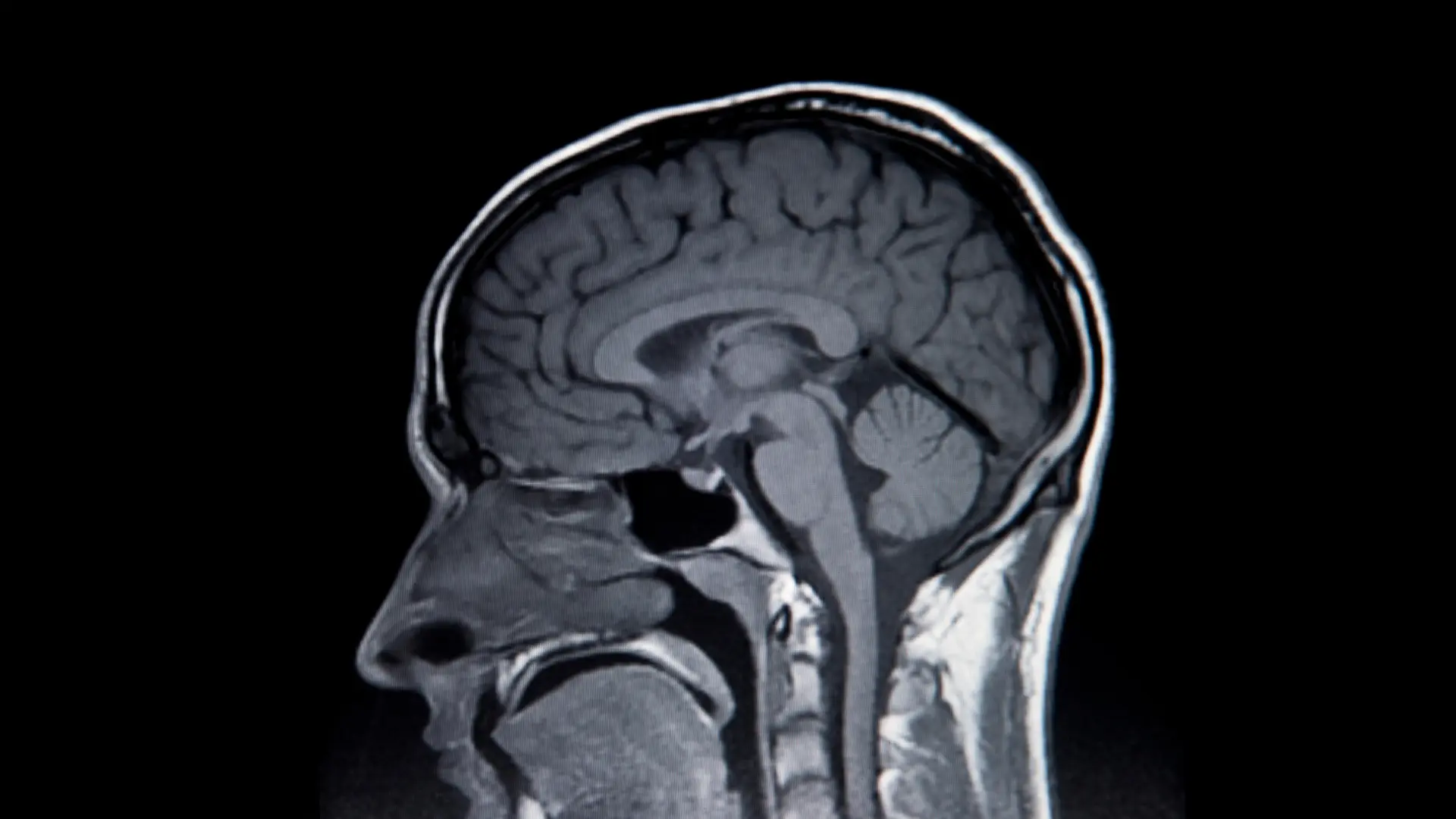
Neurological Conditions Treatment in New York
Our New York neurological specialists evaluate whether your symptoms have a treatable structural cause or need neurological care.
What are neurological conditions ?
The term "neurological" covers a variety of conditions. A crucial aspect of your treatment is determining whether your condition falls within this category and whether a structural issue is contributing to it. The brain and spinal cord are encased in bone, which restricts their capacity to expand.
Conditions such as a mass, bleeding, blockage of spinal fluid, or a narrowed canal can lead to symptoms due to physical pressure. Surgery may be necessary to alleviate that pressure. An accurate diagnosis aims to determine if that pressure exists.
See how it is treated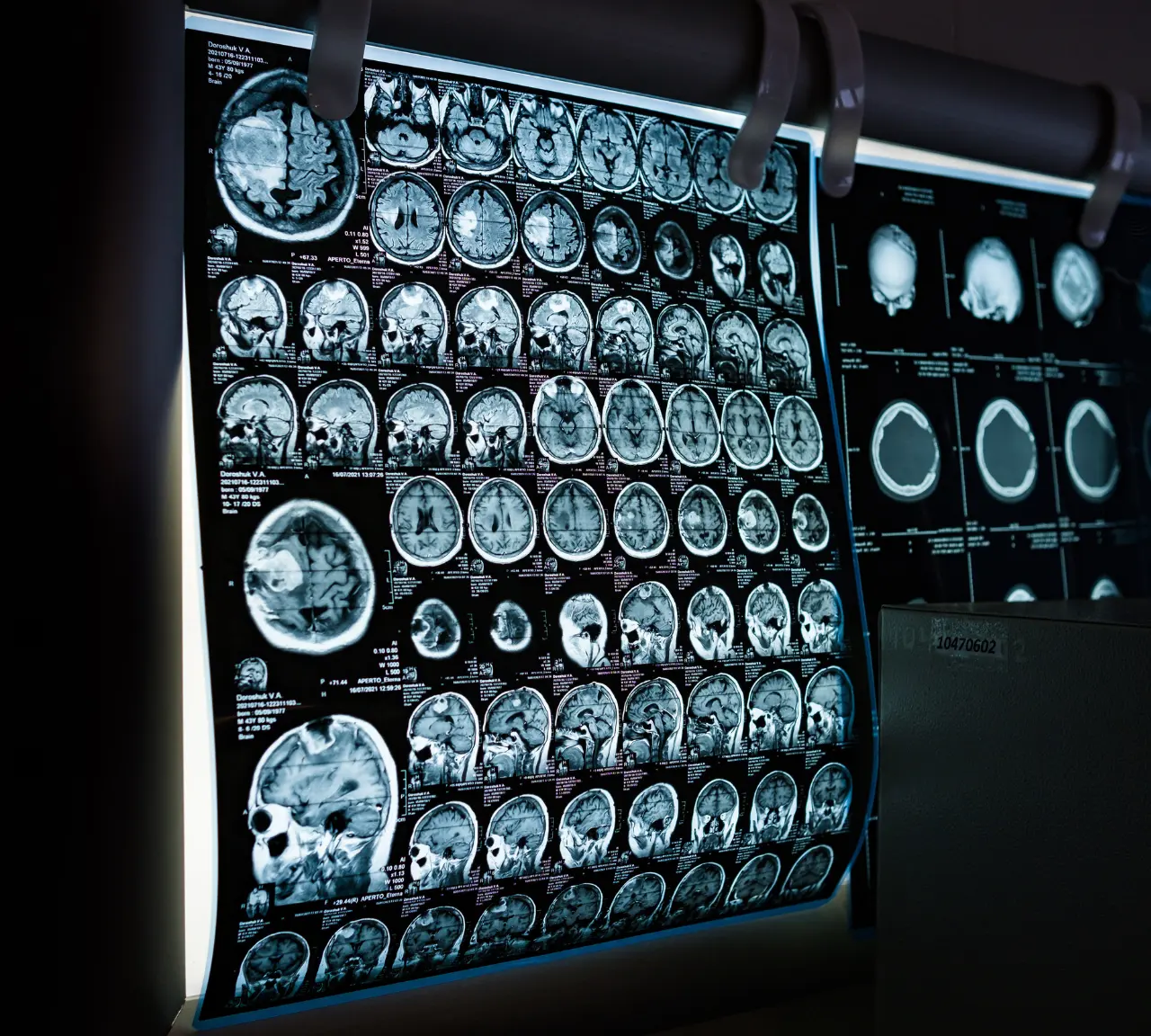
Specific Neurological Conditions Conditions We Treat
Below are the specific neurological conditions conditions we treat in New York. The cards that link open that condition's own detailed page; the rest are covered by the care on this one.


Symptoms of neurological conditions
Neurological symptoms can vary widely, but a few patterns often indicate a structural cause. It's important to be aware of these four symptoms.

A headache that has changed
Experiencing a new type of headache that intensifies in the morning or worsens when lying down or exerting yourself, unlike your usual headaches.

Weakness or numbness on one side
A hand that feels uncoordinated, a leg that feels heavy, or a face that appears uneven on one side.

Balance and walking changes
A shaky or broad gait, a hand grasping at walls for support, or a feeling that the floor is uneven.
Changes in memory, speech, or personality
Family members might observe changes in memory, speech, judgment, motivation, or personality before you become aware of them.
What causes conditions affecting the brain ?
In this category, the conditions that bring people to a surgeon have one thing in common: they either take up space or press on something. Here are the main causes.
Book an Appointment →-
01
A mass inside the skull or spinal canal
This may be a tumor, cyst, or abscess taking up room that simply does not exist inside the skull or spinal canal.
-
02
Bleeding around or in the brain
A collection of blood, often after a fall, and sometimes appearing weeks after the injury.
-
03
Blocked spinal fluid
Spinal fluid that cannot circulate or drain can back up and raise the pressure inside the skull.
-
04
Spinal cord or nerve-root crowding, or a vascular problem
Narrowing that crowds the spinal cord or a nerve root, or a vascular problem cutting off blood supply.
-
05
Persisting or hard-to-diagnose cases
Changes that happen after brain or spine surgery, along with cases that lack a clear diagnosis, require a focused review.

How are neurological conditions diagnosed?
History and a full neurological exam
We gather your symptom history and assess your strength, sensation, reflexes, balance, vision, and speech to identify the problem areas.
Targeted imaging when needed
Most neurological symptoms do not require a brain scan during the first visit. We will inform you when the appropriate first step is a neurology assessment instead of a surgical one.
Findings reviewed by both specialists
A neurosurgeon and an orthopaedic spine surgeon review the case together, and involve a neurologist whenever that is the right next step.
Your diagnosis and next steps
You leave knowing whether we should treat this or whether a neurologist should handle it. You understand what the first step is and why it’s recommended.
Neurological conditions treatment, from conservative care to surgery
A neurosurgical evaluation in New York aims to find the structural cause. Most conditions like this are treated medically by neurology instead.
Assessment and medical care
Where most of this category is handled.
- Assessment to establish whether the cause is structural or medical.
- Imaging chosen to answer a specific question, not ordered by default.
- Coordinated care with neurology, with referrals when appropriate.
- Treatment of the symptom itself, from headache to seizures to balance problems, while the cause is worked out.
Surgery for structural pressure
When something is pressing and needs relieving.
- Removal of a mass pressing on the brain or spinal cord.
- Drainage of a collection of blood or pus.
- Diversion of spinal fluid that cannot circulate, using a shunt or an endoscopic procedure.
- Decompression of a compressed spinal cord or nerve root, and revision after earlier brain or spine surgery.

When it cannot wait: a first seizure at any age, sudden weakness, numbness, or difficulty speaking, a sudden severe headache unlike any before, repeated vomiting with a headache, increasing drowsiness or confusion, or any of these after a blow to the head. Call 911 or go to the nearest emergency department now.
Doctors who treat Neurological Conditions in New York
Our neurological specialist in New York collaborates with a team of brain and spine specialists, including neurosurgeons and orthopaedic surgeons, to review each case.