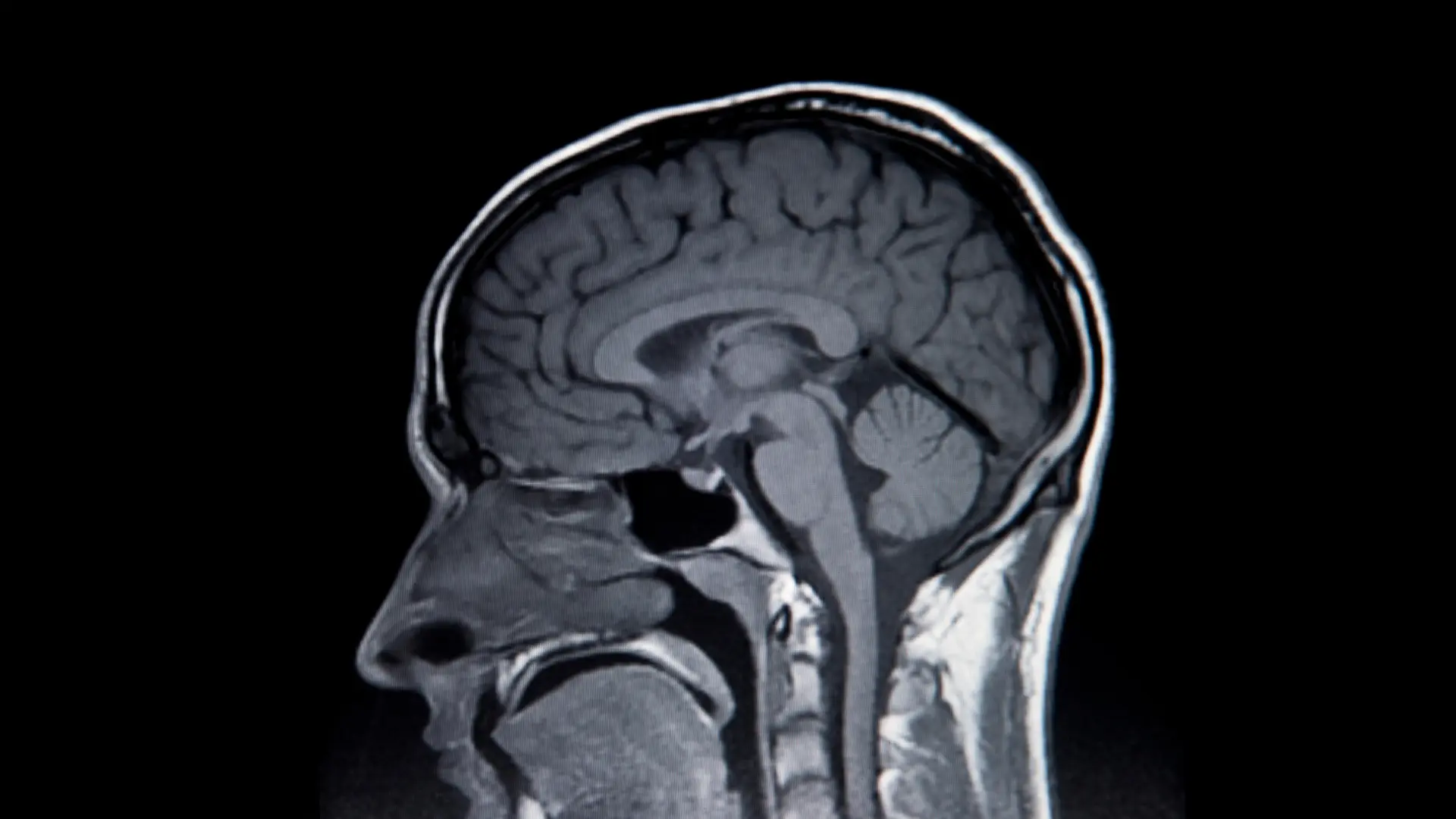
Hydrocephalus Treatment in New York
Our New York hydrocephalus doctors review every case together, walking children and adults from diagnosis through to the right procedure.
What is hydrocephalus ?
Hydrocephalus is an issue with fluid circulation, not fluid production. The brain constantly produces spinal fluid, so the question isn’t about how much is made, but where flow is obstructed. Finding the blockage helps guide treatment.
The fluid has to drain at the same rate as it is produced. When that balance is disrupted, the fluid chambers enlarge and press against the brain from within, leading to symptoms. Identifying where the flow is blocked helps us determine the appropriate treatment.
See how it is treated
Hydrocephalus symptoms
Hydrocephalus can appear at any age, and the families we see range from newborns to older adults. The signs depend on age.

Headache with nausea, worse in the morning
A headache with nausea that is worse in the morning or when lying down can signal rising pressure.

Double vision or trouble looking up
Blurred or double vision can occur, along with difficulty moving the eyes upward. This happens because the pressure affects the nerves that control eye movement.

Drowsiness and slowed thinking
Growing drowsiness, trouble concentrating, and a feeling of slowed thinking can sometimes be mistaken for tiredness or age.

In older adults and infants
In older adults, signs like a shuffling walk, memory changes, and bladder urgency should be noted. For infants, a quickly growing head and excessive sleepiness need immediate review.
What causes fluid buildup in the brain ?
Hydrocephalus occurs when the flow or drainage of fluid is disrupted. Several main causes result in most cases of hydrocephalus.
Book an Appointment →-
01
A blockage in the narrow channels
A cyst, a tumor, or a developmental narrowing can block the tight channels the fluid passes through.
-
02
Bleeding around the brain
Bleeding after a subarachnoid hemorrhage, or in a premature infant, can clog the fluid's drainage.
-
03
Infection
An infection such as meningitis can scar the drainage pathways and permanently slow reabsorption.
-
04
Normal pressure hydrocephalus in older adults
The chambers enlarge despite near-normal pressure, causing changes in walking, memory, and bladder control that can resemble dementia.
-
05
Shunt malfunction
In someone who has already been treated, a shunt can block, fail, or become infected. This can cause symptoms to return and requires urgent review.

How is hydrocephalus diagnosed?
History and a neurological exam
We review symptoms, development, walking, memory, bladder changes, vision, earlier bleeding, infection, surgery, and any shunt concerns.
Imaging to find the blockage
An MRI or CT scan shows the swollen fluid chambers and often the blockage. In normal pressure hydrocephalus, the scan cannot predict who will benefit, so before recommending a shunt, we drain a little fluid and check whether your walking actually improves.
Two specialties, one case
Neurosurgeons and orthopaedic spine surgeons compare brain, skull base, and spine findings, including developmental conditions and earlier operations.
A clear plan you can follow
You leave with clarity on whether the answer is a shunt, an endoscopic procedure, treating an underlying cause, or monitoring, as well as the reasoning for each choice.
Hydrocephalus treatment, from conservative care to surgery
Hydrocephalus is treated with surgery, but only after a proper diagnostic evaluation. In older adults, trial drainage shows whether a shunt would help first.
Assessment before treatment
Not a treatment stage, but the step that determines the treatment
- Imaging to locate interrupted fluid flow and enlarged chambers.
- Trial lumbar drainage for suspected normal pressure hydrocephalus, with walking measured before and after.
- Treatment of infection or another cause before permanent fluid diversion.
- Monitoring of an existing shunt for function and returning symptoms.
Surgery, the main treatment
How hydrocephalus is actually treated
- Shunt placement to drain fluid from the brain into the abdomen.
- Endoscopic third ventriculostomy to make a new internal route in suitable cases, without a shunt.
- Removal of a cyst or tumor that blocks fluid circulation.
- Shunt revision for blockage, infection, disconnection, or other malfunction.

When it cannot wait: Worsening headache with vomiting, increasing drowsiness or confusion, double vision, or returning symptoms with a shunt need emergency care. Rapid infant head growth with unusual sleepiness or poor feeding does too. Call 911 or go to the nearest emergency department now.
Doctors who treat Hydrocephalus in New York
Our hydrocephalus specialists are neurosurgeons and orthopaedic spine surgeons with academic-level and paediatric expertise, reviewing cases together across the New York metro area.