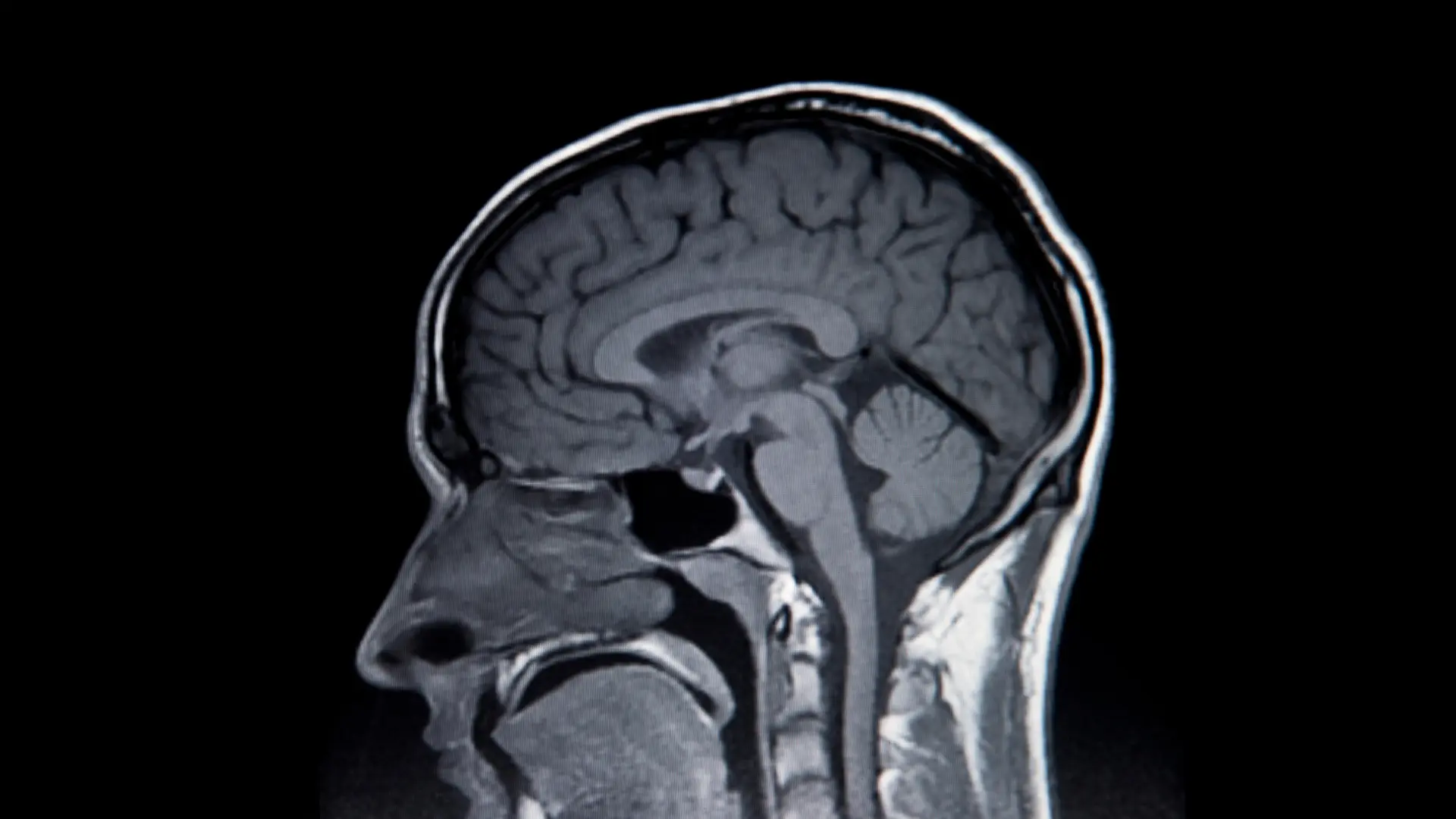
Increased Intracranial Pressure Treatment in New York
Our New York increased intracranial pressure doctors review symptoms, vision, and imaging together, matching treatment urgency to the underlying cause.
What is increased intracranial pressure ?
The skull is a closed box that cannot expand. Therefore, anything that takes up extra space inside it raises pressure on everything else. Brain tissue, blood, and cerebrospinal fluid share that fixed space. If one increases, the others must shift or compress to compensate and protect blood flow for a time.
This shared mechanism explains why symptoms like headache, vomiting, vision changes, and drowsiness can appear similar, regardless of whether the cause is a tumor, blocked fluid, swelling, or bleeding. Identifying what is blocking normal blood flow is what makes increased intracranial pressure treatment work.
See how it is treated
Increased intracranial pressure symptoms
The indicators of elevated pressure often blend, but one in particular distinguishes it from a typical headache. Here are four major signs.

A headache that's worse when lying down
The headache is worse when you lie flat, on waking, or when you strain, which is the reverse of most headaches.

Nausea and vomiting
Nausea and vomiting that arrives suddenly, and without the queasiness you would usually expect first.

Vision that blurs or grays out
Blurred vision, a brief graying-out when you bend or cough, or double vision are all worth taking seriously.

Drowsiness or slowed thinking
Increasing sleepiness, confusion, brain fog, or slowed responses deserve urgent assessment, especially when symptoms are worsening.
What causes increased pressure inside the skull ?
Raised pressure is always a downstream effect of something else; the following are the usual sources. Treatment depends on the cause.
Book an Appointment →-
01
A mass inside the skull
A tumor, an abscess, or a collection of blood taking up room the skull cannot spare.
-
02
Hydrocephalus
Spinal fluid cannot circulate or drain normally, so it backs up and increases the pressure.
-
03
Swelling after injury or stroke
Swelling of the brain following a head injury, a stroke, or an infection such as meningitis.
-
04
Idiopathic intracranial hypertension
This condition causes raised pressure without a mass and most often affects younger adults who carry more body weight.
-
05
Shunt failure or recurrence
A blocked or failed shunt, or a recurrence in someone already treated, needs urgent review.

How is increased intracranial pressure diagnosed?
History and a focused examination
We ask when the headache is at its worst and what makes it worse. Then, we check alertness, balance, and the nerves that control eye movement.
Eyes first, then targeted tests
Formal eye examination for optic nerve swelling is performed early and repeated because vision shows how urgent the pressure is. CT or MRI comes before lumbar puncture when a mass must be excluded.
Reviewed by both specialties at once
ICP doctors in neurosurgery and orthopaedic spine compare mass effect, fluid blockage, swelling, vision risk, shunt history, and surgical routes together.
Urgency and options explained
You leave knowing the likely cause, what will be treated first, and whether this needs attention in days or can be monitored over weeks.
Increased intracranial pressure treatment, from conservative care to surgery
Increased intracranial pressure treatment depends on the cause and urgency, using medication or close vision monitoring only when it is safe to do so.
Medication and monitoring
Used only when clinically appropriate.
- Medication to reduce cerebrospinal fluid production in idiopathic intracranial hypertension.
- Weight management, which can meaningfully reduce pressure in that specific condition.
- Repeated optic nerve examinations and visual field testing to follow sight.
- Treatment of infection or inflammation, plus headache management matched to the cause.
Surgical procedures that lower pressure
When a mass, trapped fluid, or the optic nerve is the problem.
- Removal of a tumor, or drainage of an abscess or blood collection raising pressure.
- Shunt placement or endoscopic fluid diversion for hydrocephalus or blocked pathways.
- Optic nerve sheath fenestration to protect vision in selected cases.
- Venous sinus stenting in selected cases, or decompressive surgery after severe swelling.

When it cannot wait: a worsening headache with repeated vomiting, rapidly increasing drowsiness or confusion, new double vision, or any loss or graying out of vision needs emergency care. Call 911 or go to the nearest emergency department right away.
Doctors who treat Increased Intracranial Pressure in New York
Our neurosurgeons and orthopaedic spine surgeons review each case together, with an ICP specialist for second opinions and follow-up across the New York metro area.