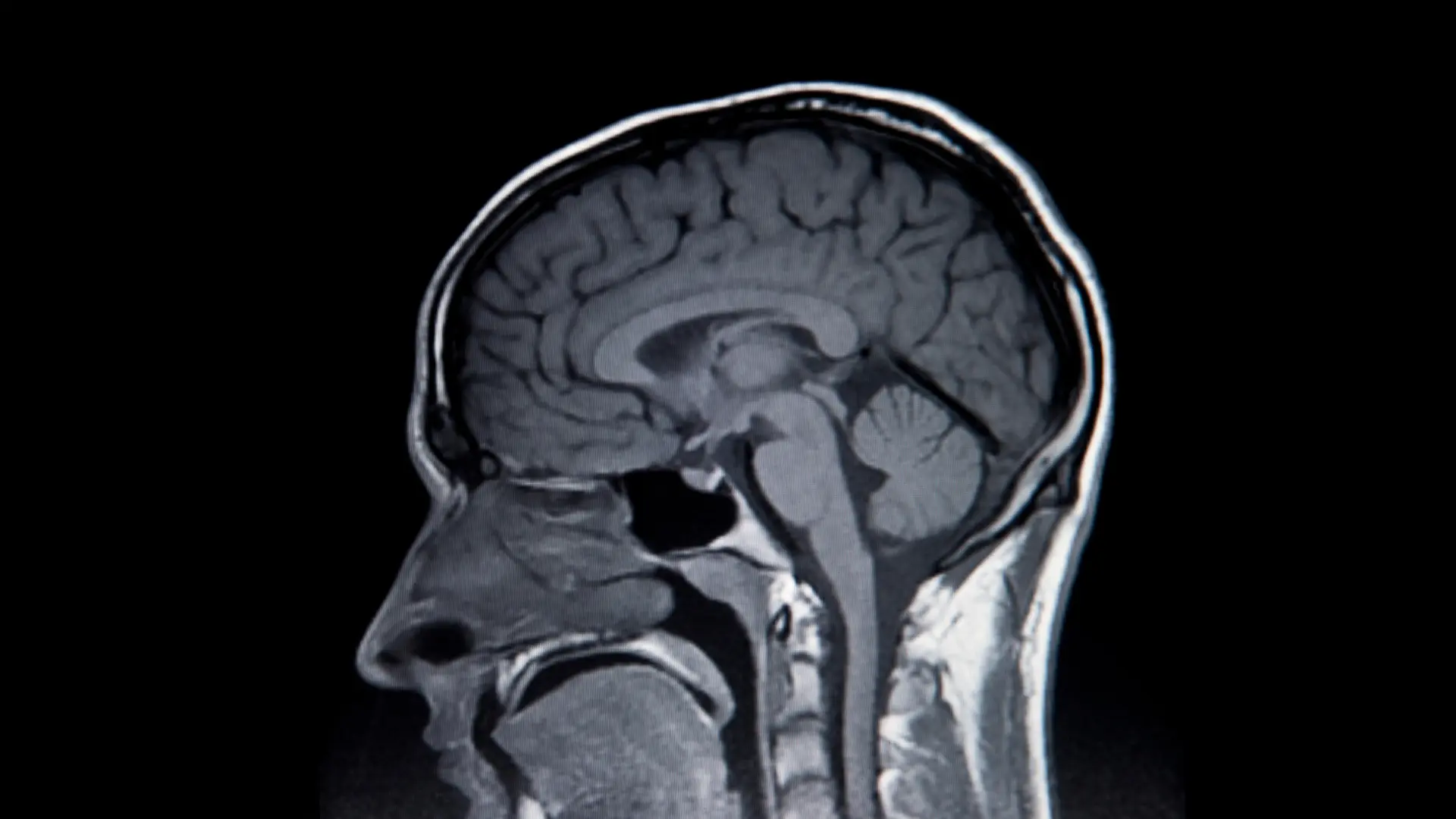
Multiple Sclerosis (MS) Treatment in New York
Our New York Multiple Sclerosis specialist reviews, combining neurosurgery and orthopaedic spine input to distinguish MS activity from spinal compression.
What is multiple sclerosis ?
With multiple sclerosis, not every new symptom is due to MS. A treatable spinal issue can be overlooked if that diagnosis is already established. MS damages the protective sheath around nerve fibers in the brain and spinal cord. This damage interrupts signals that control sensation, strength, vision, and movement.
Disc herniation or spinal narrowing can press on the same nerve fibers from the outside, leading to similar symptoms. Examination and imaging help distinguish inflammation within the cord from mechanical compression around it. An accurate diagnosis is essential for effective MS treatment.
See how it is treated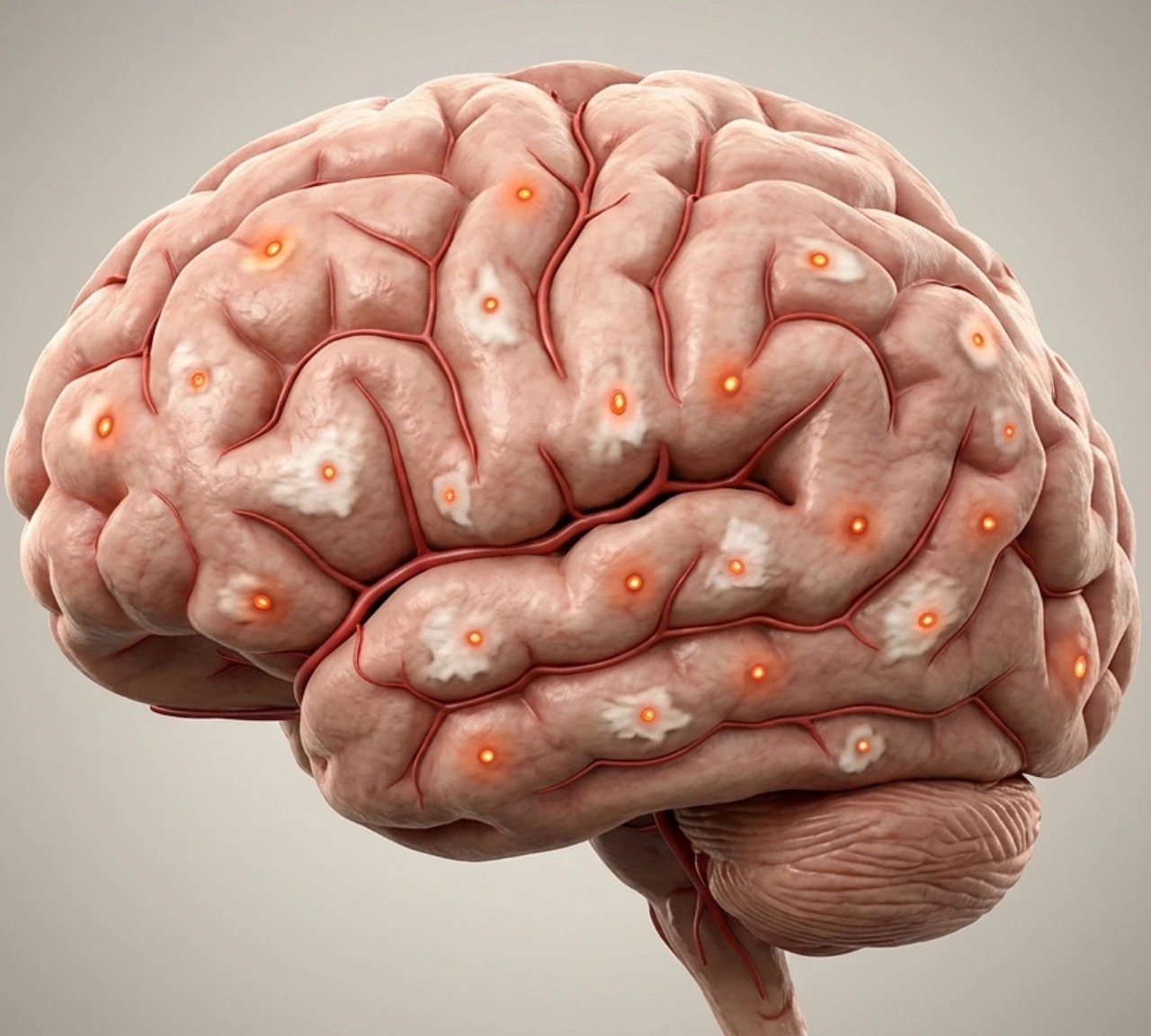
Multiple sclerosis symptoms
For someone already living with MS, these patterns are worth flagging, because a few of them can also result from pressure on the spinal cord. Here are four common symptoms of MS.

Numbness or a band of tightness
Numbness or a band-like tightness around the trunk or a limb that does not resolve with rest.

Weakness or clumsiness in a limb
Weakness and heaviness in a leg, or clumsiness in a hand, can make it harder to manage buttons and keys.

Unsteady walking
Walking that has become unsteady, with a change in balance you notice on stairs or in the dark.

A symptom that stays, or worsens with the neck
A symptom that appears and persists rather than coming and going, or that worsens when you move your neck, deserves prompt review.
What causes MS ?
The key question is what is causing the symptoms, as several factors can lead to the same results. Here are the common causes to consider.
Book an Appointment →-
01
MS itself
An immune condition attacking the insulating sheath, which neurology diagnoses and treats with medication.
-
02
A coexisting spine problem
A separate compressive problem in the spine, common with age and easily blamed on the disease instead.
-
03
Stenosis or a disc herniation
Cervical stenosis or a disc herniation pressing on the cord, producing the very same symptoms mechanically.
-
04
A vitamin B12 deficiency
A low vitamin B12 level can imitate both conditions.
-
05
MS after earlier spine surgery
A patient who has already been treated for this and has had spine surgery needs their new symptoms correctly attributed. In this case, joint assessment is crucial.

How is multiple sclerosis diagnosed?
Symptom pattern and examination
Timing, relapses, heat sensitivity, neck movement, vision, strength, sensation, reflexes, hand control, walking, and balance build the clinical picture.
Reading your records before adding scans
MS imaging and neurology records come first. New studies are ordered only to identify what may have been added to a known picture.
Both specialties, with neurology in the loop
Neurosurgeons and orthopaedic spine surgeons compare cord lesions, narrowing, disc pressure, instability, and prior operations alongside neurology records.
Your plan, explained clearly
You leave knowing which symptoms are related to MS that need medical management. You also know which symptoms, if any, indicate a spine problem we can address.
Multiple sclerosis treatment, from conservative care to surgery
Multiple sclerosis treatment is medical and managed by neurology, with a focus on function and independence. Spine surgery is only considered when there is confirmed compression or instability.
Neurology care and rehabilitation
MS itself is treated without surgery.
- Neurology diagnosis, disease-modifying treatment, and coordinated follow-up for MS itself.
- MRI comparison of inflammatory cord lesions and pressure outside the cord.
- Physical and occupational therapy for strength, balance, hand control, walking, and daily tasks.
- Medical care for spasticity, bladder symptoms, and persistent fatigue.
Surgery for a separate spine problem
MS itself has no surgical treatment.
- No operation treats the immune damage caused by MS.
- Decompression when cord or nerve pressure contributes to symptoms.
- Stabilization when instability accompanies confirmed compression.
- Revision surgery for a structural problem after a prior spine operation.

When it cannot wait: rapidly worsening weakness in the arms or legs, a sudden change in walking, new loss of bowel or bladder control, or new symptoms after a fall or a blow to the neck. Call 911 or go to the nearest emergency department now.