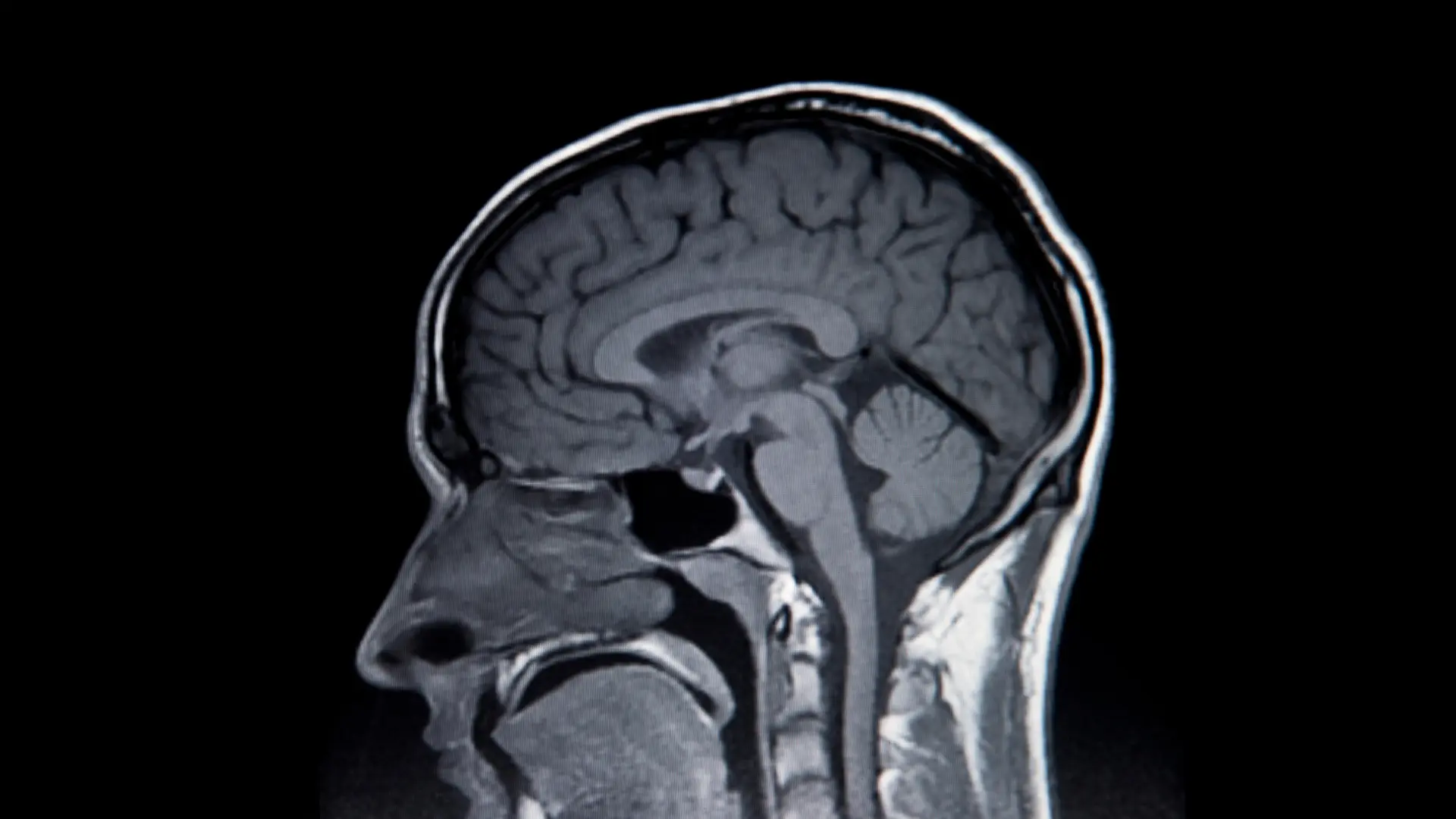
Tremors Treatment in New York
Our New York tremor specialists review your case with neurology, treating most cases with medication first and reserving surgery for those that truly need it.
What is a tremor ?
A tremor is a symptom, not a single disease, and several distinct conditions can cause it. The shaking comes from circuits deep in the brain that normally have steady movement. Whether it appears while you hold a position, reach for something, or rest helps identify which circuit may be involved.
Action shaking often points toward essential tremor, while shaking at rest may raise concern for Parkinson’s disease. Head or voice shaking can suggest other movement disorders. Each type calls for different care, so an accurate diagnosis is what makes treatment work.
See how it is treated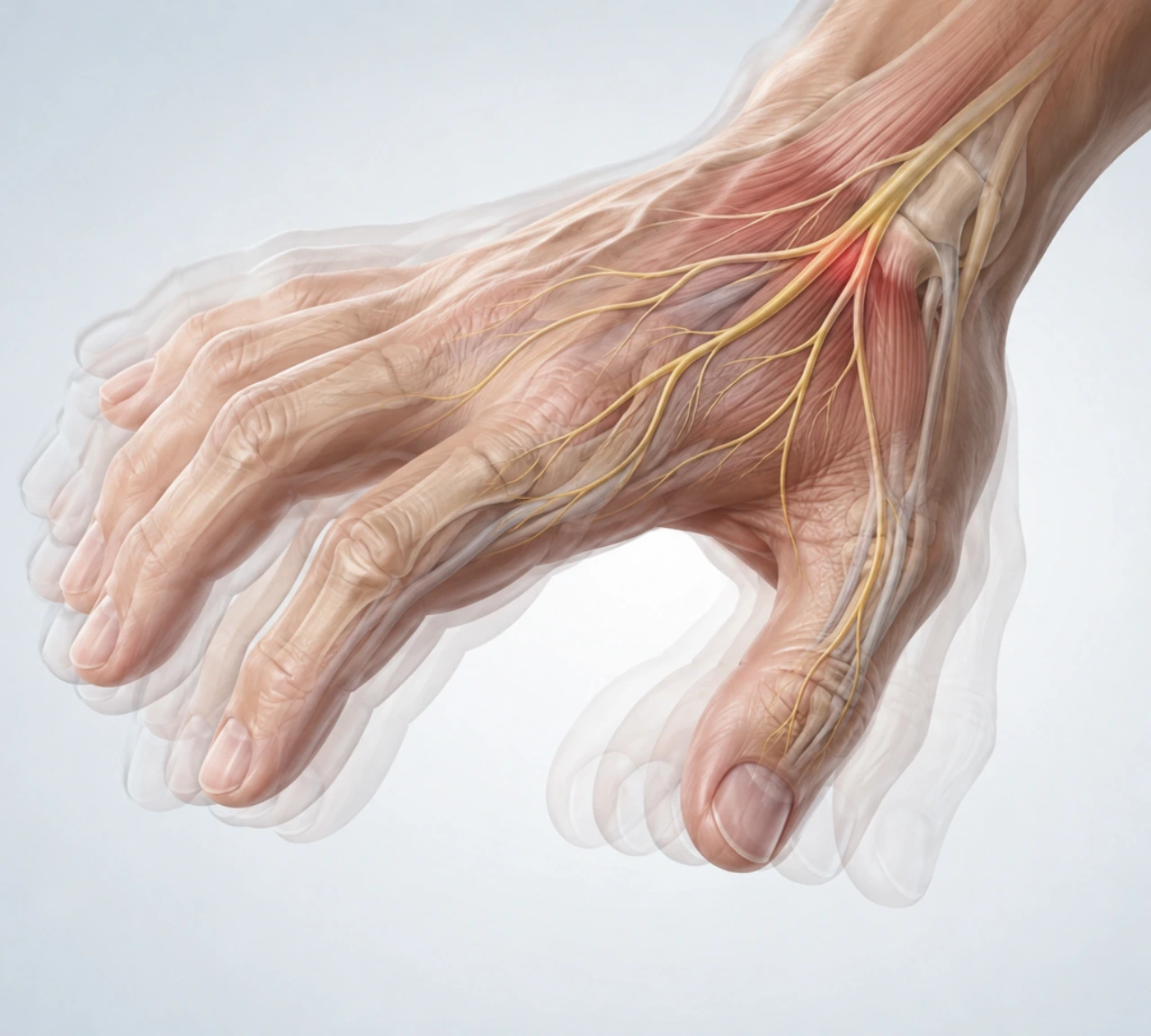
Tremor symptoms
Tremor can look different from person to person. These common patterns help show what may be causing it.

Shaking when you hold or reach
A hand that trembles while pouring, writing, or holding a cup, and settles when the hand is resting.

Shaking at rest
Trembling in a hand lying still in your lap, which eases the moment you reach out and use it.
Tremor in the head or voice
A gentle nodding of the head, or a voice that wavers, sometimes without any shaking in the hands.
Tremor that has taken over daily tasks
Shaking that interferes with eating, dressing, or writing deserves prompt evaluation, particularly when it is worsening.
What causes shaking ?
Several conditions can cause shaking, and each requires different care. These are the most common.
Book an Appointment →-
01
Essential tremor
The most common cause, often running in families, showing up with action like reaching or writing rather than at rest.
-
02
Parkinson's disease
Here the shaking is usually at rest and comes with slowness and stiffness, which sets it apart from the essential kind.
-
03
Medications and other triggers
Some medications, an overactive thyroid, too much caffeine, or alcohol withdrawal can all bring on shaking.
-
04
Dystonic and cerebellar tremor
Other neurological conditions produce their own kinds of shaking, each with a different pattern and treatment.
-
05
Tremor that no longer responds to medication
When disabling shaking stops responding to medication, that is the point where surgical options are discussed.

How is tremor diagnosed?
History and a hands-on exam
We examine the shaking during rest, posture, and movement, then review medicines, family history, stiffness, balance, and coordination.
Examination first, imaging only if needed
Blood tests can rule out thyroid trouble and other reversible causes. Advanced imaging is not what diagnoses tremor, so we start with the examination and the history and add imaging only where a structural cause is genuinely suspected.
Neurosurgery and neurology review
Our neurosurgeons and neurology partners review the case together, because the type of shaking decides whether medication or a procedure is the right path.
Your plan, explained plainly
We explain the likely cause and the options for it, from medication to a procedure, in plain terms.
Tremor treatment, from conservative care to surgery
Medication and neurology management come first. Surgery enters the conversation only when shaking remains disabling despite appropriate medical treatment.
Medical care first
Where treatment almost always begins
- Neurology evaluation to identify the tremor pattern and likely cause.
- Medication trials selected for the diagnosed type of shaking.
- Review of medicines, thyroid function, caffeine, and other possible contributors.
- Occupational therapy and adaptive equipment for writing, eating, dressing, and work.
Surgery, for selected cases
For disabling shaking that no longer responds to medication
- Deep brain stimulation when severe tremor no longer responds to medication.
- Focused ultrasound thalamotomy as an option without a surgical incision.
- Battery or lead revision for patients who already have a brain stimulator.
- Ongoing management with neurology before and after any procedure.

When it cannot wait: a tremor that appears suddenly over hours or days, or occurs on one side with severe headache, new weakness, confusion, or trouble speaking requires emergency care. Call 911 or go to the nearest emergency department right away.