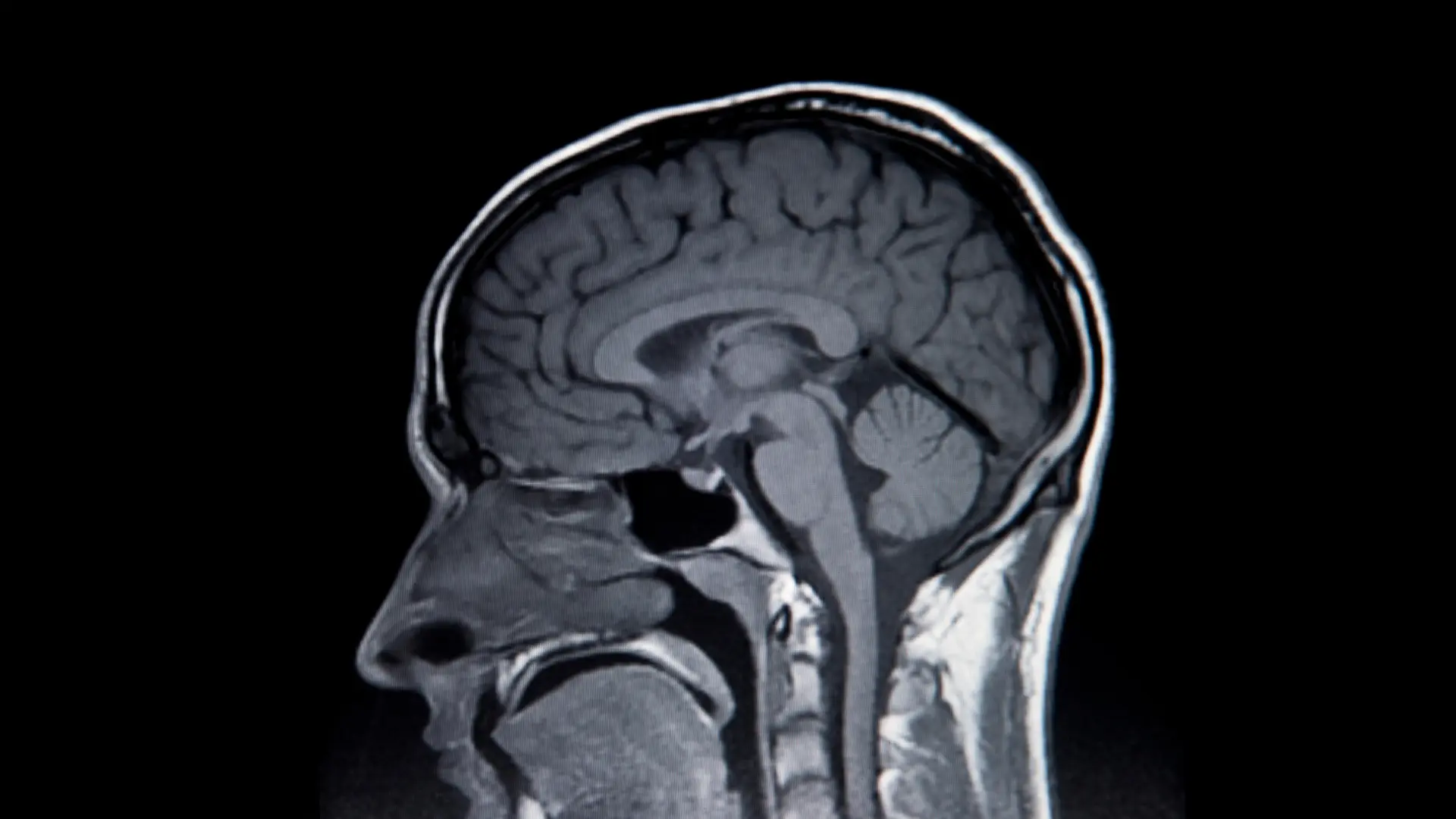
Parkinson's Disease Treatment in New York
Our New York Parkinson specialist team reviews your case, prioritizing medical care and reserving surgery only for selected situations.
What is Parkinson's disease ?
Parkinson’s disease affects movement control, not muscle strength. Cells deep in the brain gradually stop producing enough dopamine, a chemical signal that helps movement circuits work in order. As that signal fades, movements become slower and stiffer, and a resting tremor may appear, often first in one hand.
Surgery does not treat Parkinson’s disease or slow its progression. It may control movement symptoms when medication no longer does enough. Tremor alone has many possible causes. Accurate diagnosis helps distinguish Parkinson’s disease from other tremor conditions and guides treatment.
See how it is treated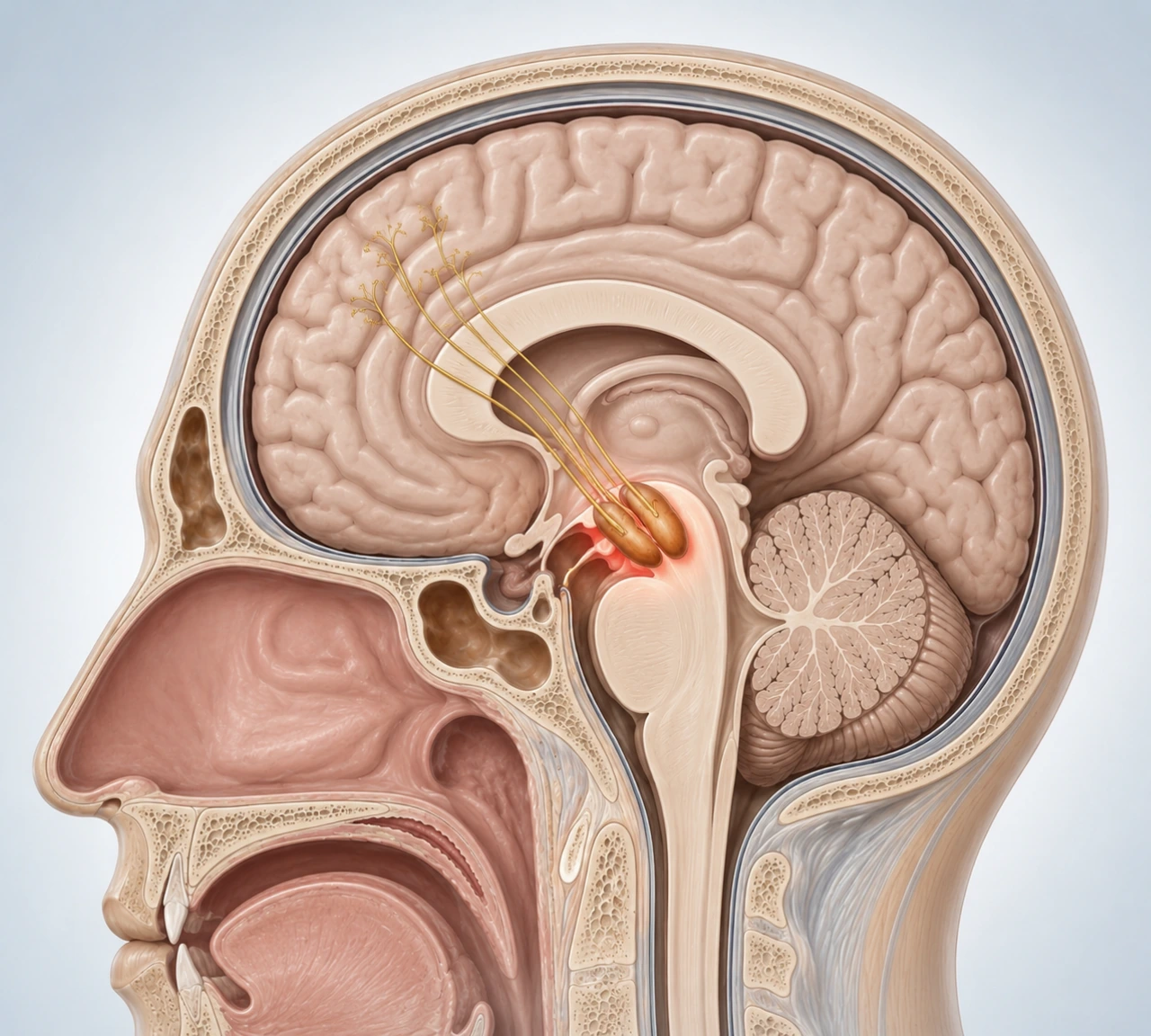
Parkinson's disease symptoms
Parkinson's usually starts quietly, on one side, and builds over years. These are the changes people notice first.

Slowness of movement
Everyday tasks take longer, handwriting shrinks, and one arm may stop swinging as you walk.

Stiffness in the limbs
A feeling of heaviness or resistance in an arm or leg, often mistaken at first for arthritis or simply attributed to aging.

Tremor at rest
A rhythmic shaking that shows up when the hand is resting and settles when you reach or grip.
Freezing, or medication wearing off
Feet that freeze mid-step or medication effects that wear off before your next dose should be brought up with your team right away.
What causes Parkinson's ?
Parkinson's results from the loss of a specific brain signal. The reasons behind this are usually a mix of factors rather than a single cause.
Book an Appointment →-
01
Loss of dopamine-producing cells
The underlying mechanism involves cells in a deep brain region that produce dopamine. These cells gradually fail, typically without a single trigger.
-
02
Age
Age is the strongest risk factor, with most people diagnosed after their early sixties.
-
03
Genetics
A family history increases the risk, and genetics have a greater impact in cases of younger-onset disease.
-
04
Environmental exposures
Long-term contact with certain pesticides or solvents is linked to a higher risk. However, the evidence is suggestive rather than conclusive.
-
05
Motor fluctuations after years of treatment
After years on medication, the effects can fade, leading to involuntary movements. This is the situation that surgical options aim to address.

How is Parkinson's disease diagnosed?
History and a movement exam
A neurologist looks for the main signs: slowness, stiffness, and a resting tremor. They also ask how the symptoms began and how they have changed.
Medication response before surgery
Surgical options are discussed only after medication has been optimized by a movement disorder specialist, because someone whose medication has not been fully adjusted is not yet a surgical candidate.
Neurosurgery and neurology together
Our neurosurgeons and your movement disorder neurologist work together to review the case. The decision about a procedure is shared by both.
A clear look at your treatment options
We clarify your current situation, the potential benefits of your medication, and whether any procedures are viable, using plain terms.
Parkinson's disease treatment, from conservative care to surgery
Care is neurology-led and centered on medication. Surgery does not slow the disease; it eases symptoms medication can no longer control.
Medical care and rehabilitation
Neurology leads ongoing care
- Diagnosis, long-term follow-up, and medication adjustment with a movement disorder neurologist.
- Physical, occupational, and speech therapy for movement, daily tasks, voice, and swallowing.
- Exercise programs grounded in evidence and matched to balance, mobility, and general health.
- Care for sleep, mood, blood pressure, thinking, and other nonmovement symptoms.
Surgery for selected symptoms
Selected symptom control
- Deep brain stimulation for motor fluctuations or tremor that optimized medication no longer controls.
- Focused ultrasound for selected people with tremor-predominant disease or refractory motor complications.
- Battery replacement or lead revision for an existing stimulation system.
- Surgical planning shared with the movement disorder neurologist and programming team.

When it cannot wait: a sudden worsening over days rather than months, a fall with a head injury, sudden confusion or hallucinations, a high fever with rigidity, or difficulty swallowing with choking. For the last three, call 911 or go to the nearest emergency department immediately.