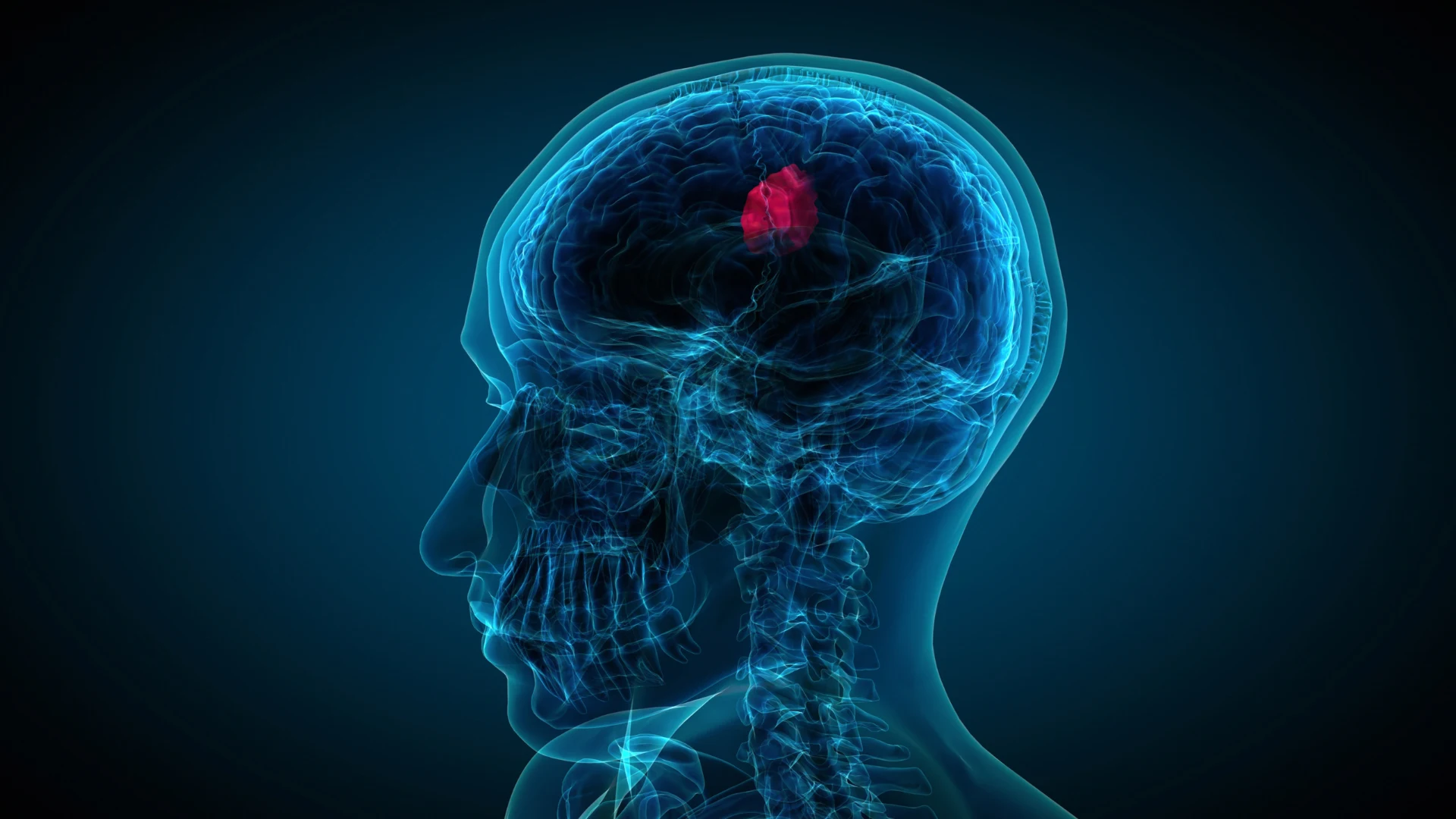
Pituitary & Parasellar Tumors Treatment in New York
Our New York neurosurgery pituitary tumor team reviews your case, considering aspects from hormone levels to vision, before deciding on surgery.
What is a pituitary tumor ?
A pituitary tumor can cause problems in two ways: by changing hormones and by pressing on nearby structures. Most tumors are not cancerous. The gland sits in a small bony pocket at the base of the skull, just below where the optic nerves cross.
From that location, growth can change hormone levels in the body and affect your vision at the same time. Figuring out which effect is happening makes an accurate diagnosis very important.
See how it is treated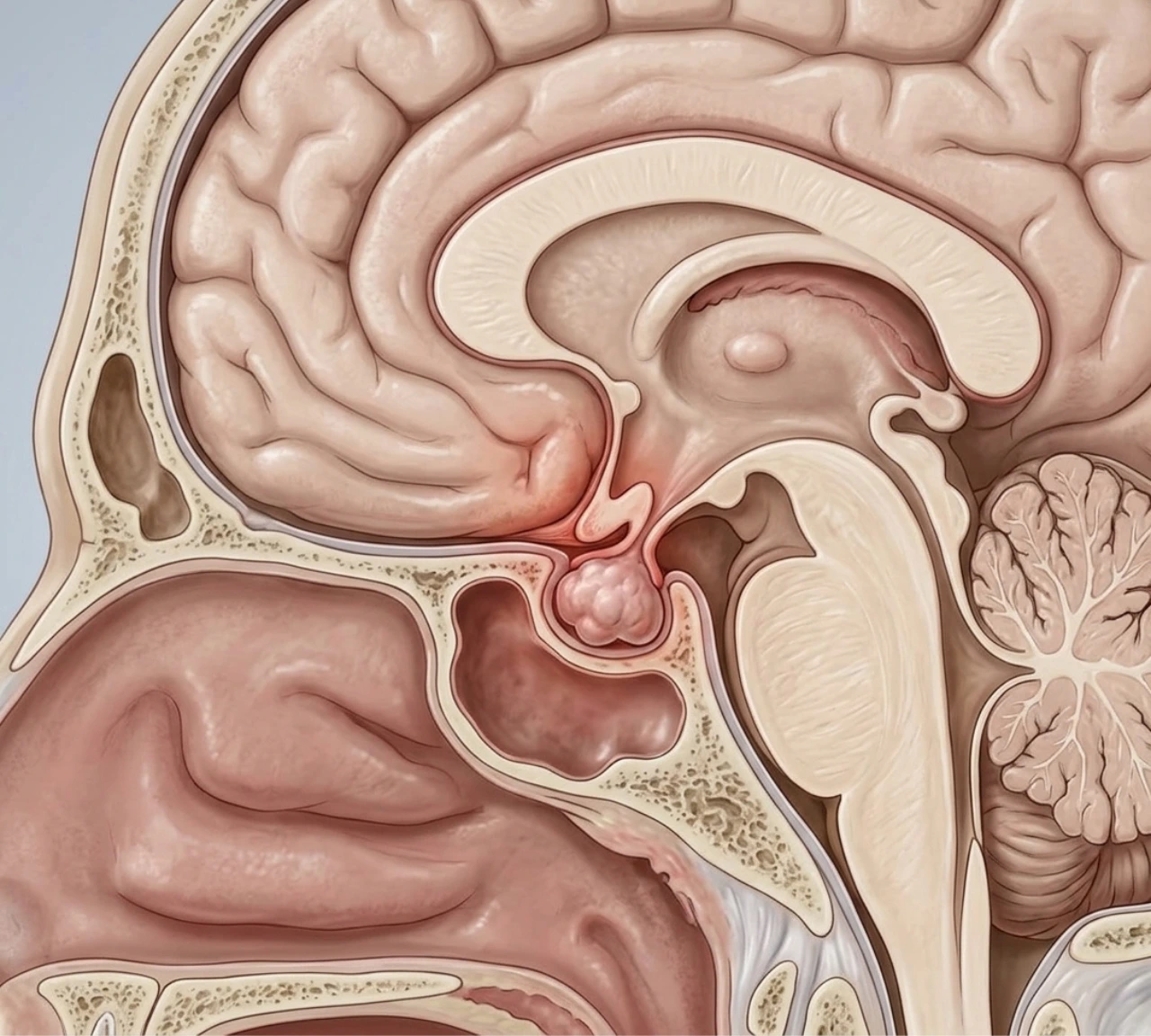
Pituitary tumor symptoms
Symptoms come from two sources: the hormones affected by the tumor and the structures it pushes on. Either can be the first sign of a pituitary tumor.

Loss of outer vision
Bumping into door frames or missing things off to the side. It often comes on slowly enough to go unnoticed at first.

Hormone changes
Fatigue, weight changes, low libido, irregular periods, unexpected milk production, or changes in the hands, feet, and face.

Pressure behind the eyes
A steady headache felt behind or above the eyes, more a sense of pressure than a throbbing pain.

A sudden severe headache with vision change
A sudden, severe headache along with double vision or vision loss requires emergency care. This can mean there's bleeding into the tumor.
What causes growth on the pituitary gland ?
Most growths here are benign, and the exact trigger is usually unknown. What counts is telling the types apart.
Book an Appointment →-
01
A benign pituitary adenoma
A benign tumor of the gland itself, by far the most common growth found here.
-
02
A Rathke's cleft cyst
A fluid-filled cyst, and other benign cystic lesions, that form in the same bony pocket.
-
03
A craniopharyngioma
A craniopharyngioma or similar tumor that arises in the region just beside the gland.
-
04
A skull-base meningioma
A meningioma of the nearby skull base that extends into the area around the gland.
-
05
Regrowth after earlier treatment
Tumor that returns or lingers after previous surgery or radiation. Operating again through the same route is more demanding, and we review it here in detail.

How is a pituitary tumor diagnosed?
History and a hands-on exam
We ask about vision, energy, and hormone-related changes, then examine you, because these clues often point to the gland before any scan.
Bloodwork and a vision test first
Hormone results and a formal visual field test precede the decision about surgery, because some pituitary tumors require treatment with medication alone, and operating on those would be the wrong answer.
Two specialties on one case
A neurosurgeon and an ENT skull-base surgeon plan the case together with endocrinology and eye specialists, weighing the hormones and vision alongside the tumor.
A clear plan you can understand
You leave knowing whether a doctor treats the tumor with medication or removes it, and who leads each part of your care.
Pituitary tumor treatment, from conservative care to surgery
Treatment depends on the type. Doctors usually control a prolactin-secreting tumor with medication rather than surgery, while they monitor, irradiate, or remove others.
Non-surgical care, shared with endocrinology
First in line for many pituitary tumors
- Medication for a prolactin-secreting tumor, which often shrinks it without surgery.
- Hormone replacement when the gland is underactive.
- Scheduled MRI and visual field checks for a tumor that is being watched.
- Radiation or radiosurgery for a tumor left behind or regrown, shared with endocrinology.
Surgery, matched to the tumor
Most is done through the nose, with no head incision
- Endoscopic endonasal removal through the nose, avoiding any incision on the head.
- Craniotomy for a tumor reaching well beyond the bony pocket.
- Urgent decompression for sudden bleeding into the tumor.
- Repeat surgery for regrowth after earlier treatment.

When it cannot wait: a sudden severe headache with double vision, a drooping eyelid, or sudden loss of vision, or a sudden severe headache with confusion, vomiting, and weakness. Call 911 or go to the nearest emergency department straightaway.
Doctors who treat Pituitary & Parasellar Tumors in New York
Our neurosurgeons and parasellar tumor specialists work with ENT and endocrinology, with academic-level training, helping patients throughout the New York metro area.