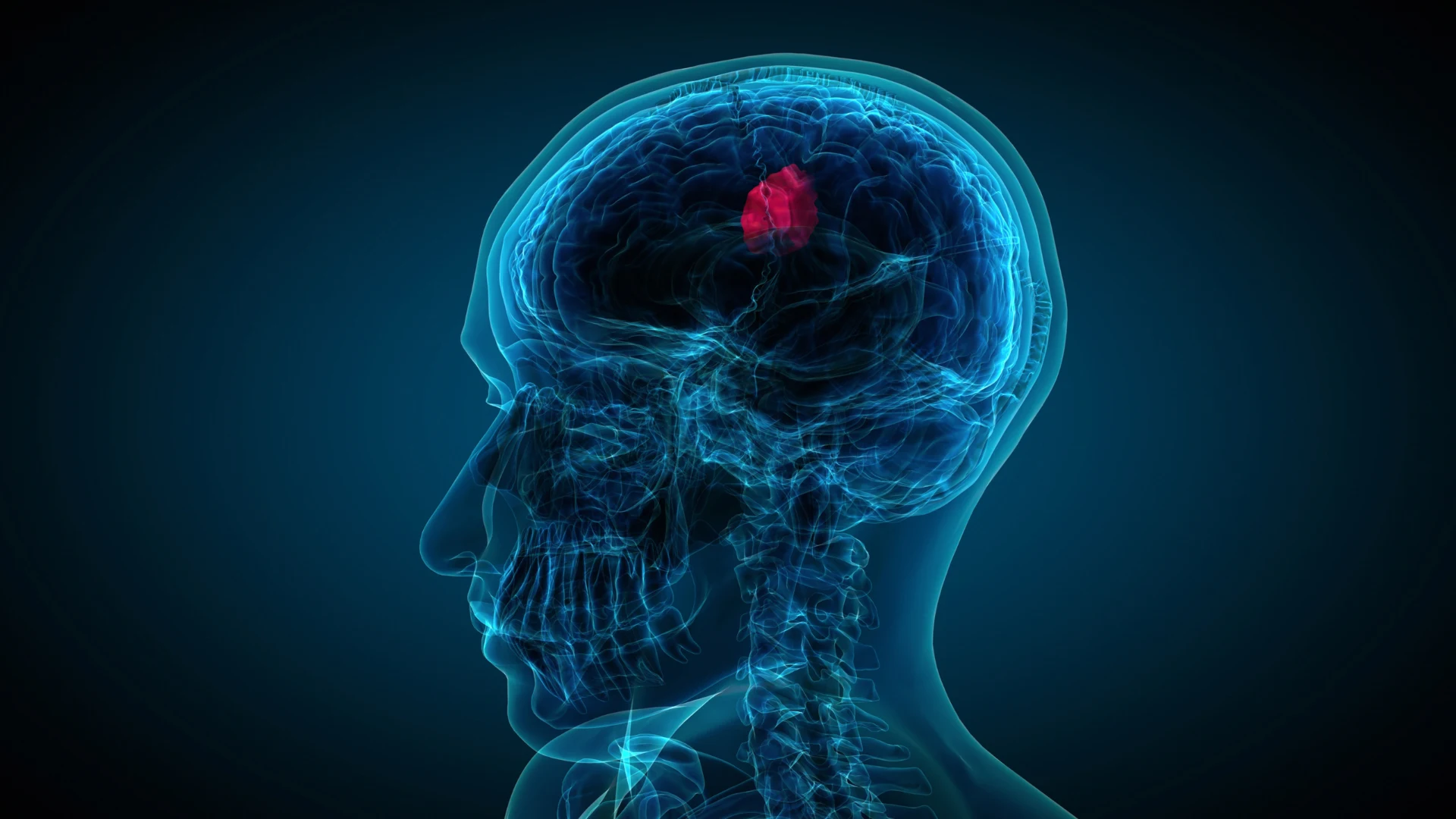
Brain Tumors & Growth Treatment in New York
Our New York brain tumor surgeons and oncology team review every case together, from watchful monitoring to advanced surgery, planning care around your brain function and your safety.
What is a brain tumor ?
A brain tumor is a growth of abnormal cells in or near the brain. Some are benign and slow-growing, some are malignant, and some spread to the brain from cancer elsewhere in the body. What you notice depends less on the tumor itself than on where it sits and what it presses on.
Because a growth in one part of the brain can affect movement, speech, vision, or mood, naming its type and location guides everything that follows. Our New York neurosurgeons plan each case together with the oncology team, so the treatment reflects the whole picture.
See how it is treated
Specific Brain Tumors & Growth Conditions We Treat
Below are the brain tumors and growths we treat. The highlighted ones open a detailed guide of their own; the rest are covered by the care we provide here.

Brain tumor symptoms
Symptoms depend on where the tumor is located, so they vary widely. You might notice one of these, or several building over weeks.

A headache that has changed
A new or worsening headache, often worse in the morning or with coughing, sometimes with nausea.

A first seizure
A seizure in adult life, with no prior history, deserves prompt evaluation even if it is brief.

Weakness or numbness on one side
Weakness, numbness, or clumsiness on one side of the body, or new trouble with balance and coordination.

Vision, speech, or memory changes
Blurred or double vision, trouble finding words, or shifts in memory, mood, or personality.
What causes a brain tumor ?
Most brain tumors have no clear cause, and nothing you did brings one on. A few patterns do raise the risk, but the type and location of the growth matter more than the cause when planning care.
Book an Appointment →-
01
Primary tumors
Growths that start in the brain or its coverings, such as gliomas and meningiomas.
-
02
Metastatic tumors
Cancer that began elsewhere, in the lung or breast, for example, and traveled to the brain.
-
03
Inherited syndromes
A few run in families through genetic conditions, which is why family history is worth sharing.
-
04
Prior radiation
Earlier radiation to the head, sometimes years before, can raise the risk of a later growth.
-
05
Often no identifiable cause
For many people, no risk factor is found, and the focus turns to the type and location instead.

How is a brain tumor diagnosed?
A neurological exam
We check strength, sensation, balance, vision, and memory to see how the brain is working and where the trouble may be.
Imaging, reviewed with you
MRI shows the brain in detail. Bring any scans you have; further imaging is added only when it would help identify the treatment needed.
Team and tumor-board review
Neurosurgeons review your images with the oncology team, so the plan reflects both surgical and cancer-care expertise.
Identifying the tumor
When it matters, a biopsy or surgery confirms the exact tumor type, which decides whether to watch, treat, or operate.
Brain tumor treatment, from monitoring to surgery
Treatment depends on the tumor's type, size, and location. Some are safely watched; others need surgery, radiation, or medication planned with the oncology team.
Monitoring and non-surgical care
When watching or treating without an operation fits
- Scheduled imaging for small, slow-growing, or benign lesions.
- Radiation therapy and stereotactic radiosurgery, in coordination with radiation oncology.
- Medical therapy, including medication to reduce swelling and control seizures.
- Coordinated oncology care for metastatic disease.
Surgery, when it is necessary
Brain tumor surgery to remove or sample the tumor safely
- Craniotomy for resection of the tumor.
- Minimally invasive and endoscopic approaches, where the location allows.
- Biopsy, when the tissue diagnosis will direct treatment.
- Repeat surgery for recurrence in a previously operated or irradiated brain.

When it cannot wait: a first seizure, a sudden severe headache unlike any before, repeated vomiting with headache, new confusion or drowsiness, sudden weakness on one side, or sudden loss of vision or speech. Call 911 or go to the nearest emergency department now.
Doctors who treat brain tumors & growth in New York
Our neurosurgeons have academic-level training and plan each case together with the oncology team, caring for patients across the New York metro area.