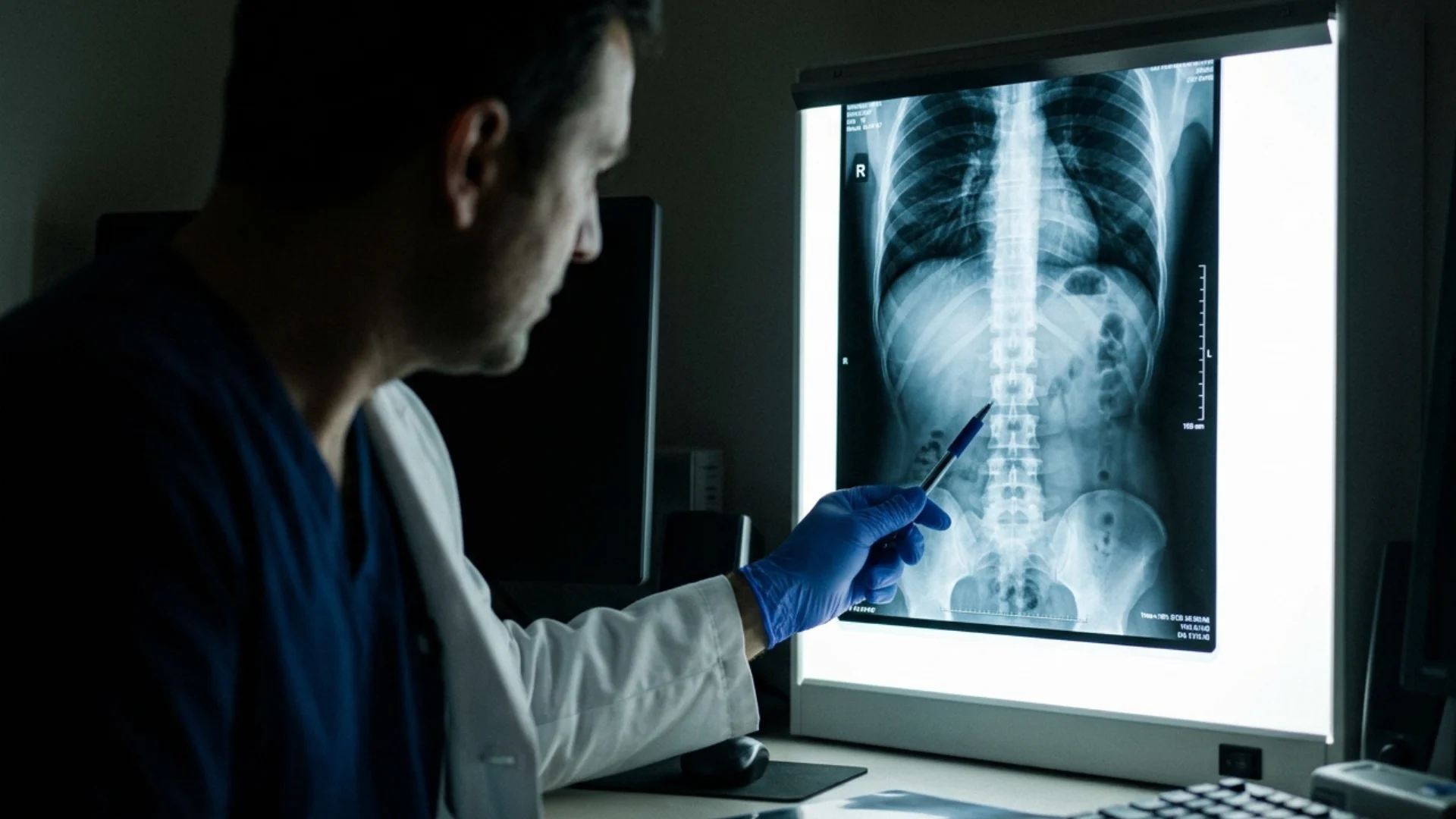
Spinal Osteomyelitis Treatment in New York
Our New York osteomyelitis specialists collaborate on your case, using antibiotics for most spinal infections and surgery only when necessary.
What is osteomyelitis ?
Osteomyelitis is an infection of the bone, specifically a vertebra in the spine. The pain it causes is different from ordinary back pain: it is deep, constant, and does not improve with rest. This difference is often the first sign that something more serious is happening.
Bacteria settle in the vertebral body, usually entering through the bloodstream. As they destroy bone, the vertebra weakens, and the infection can spread to the disc and toward the spinal canal. Identifying the infection and knowing the exact organism are crucial for treatment.
See how it is treated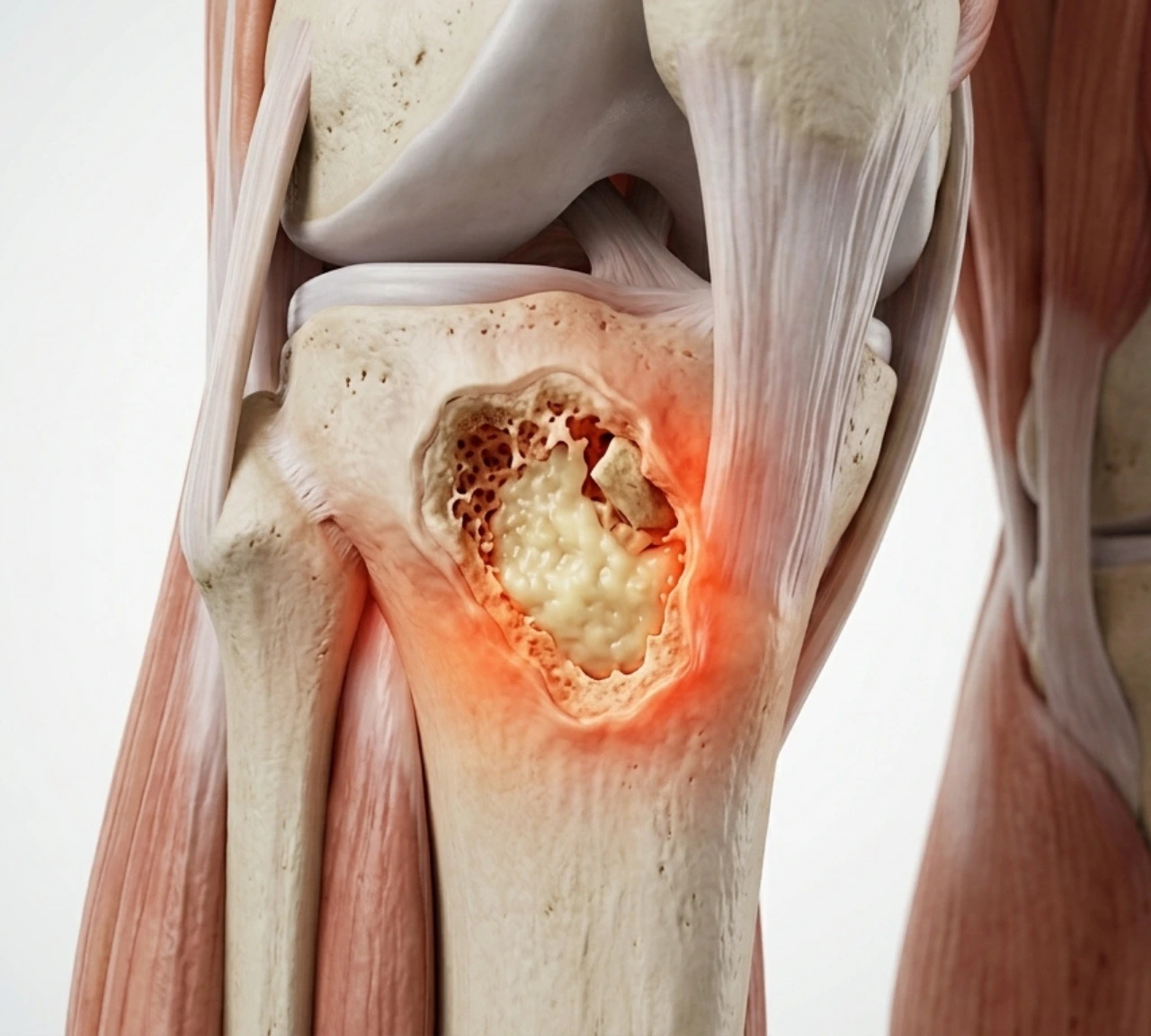
Osteomyelitis symptoms
The symptoms typically develop over several weeks and rarely stem from just one strain or injury. People often notice these symptoms.

Severe back pain that does not improve with rest
Deep, constant back pain that persists throughout the night and does not ease with rest or a change of position.

Fever, chills, or night sweats
Fever, chills, or night sweats, sometimes accompanied by unexplained weight loss, may point to an infection rather than a mechanical strain.

Tenderness over a single spinal level
Tenderness that you can pinpoint to one spot on the spine, rather than a vague, spread-out ache.

New weakness, numbness, or a change in walking
New weakness, numbness, or a change in walking can mean the infection has reached the canal and requires urgent review.
What causes a bone infection in the spine ?
A spinal bone infection almost always starts with bacteria reaching a vertebra. Several routes and risk factors contribute to the majority of cases.
Book an Appointment →-
01
Bacteria carried through the bloodstream
In adults, the most common route is bacteria reaching the spine from a skin, urinary, dental, or intravenous-line infection elsewhere in the body.
-
02
A weakened immune defense
Diabetes, kidney disease, cancer treatment, or steroid use can lower the body's ability to fight infection.
-
03
Intravenous drug use
Injecting drugs can introduce bacteria straight into the bloodstream, raising the risk of a spinal infection.
-
04
A previous spinal procedure
Surgery or an injection can occasionally introduce infection into the spine.
-
05
Infection around existing hardware
Infections surrounding spinal hardware or previous fusions are more challenging to address and are discussed in detail here.
How is osteomyelitis diagnosed?
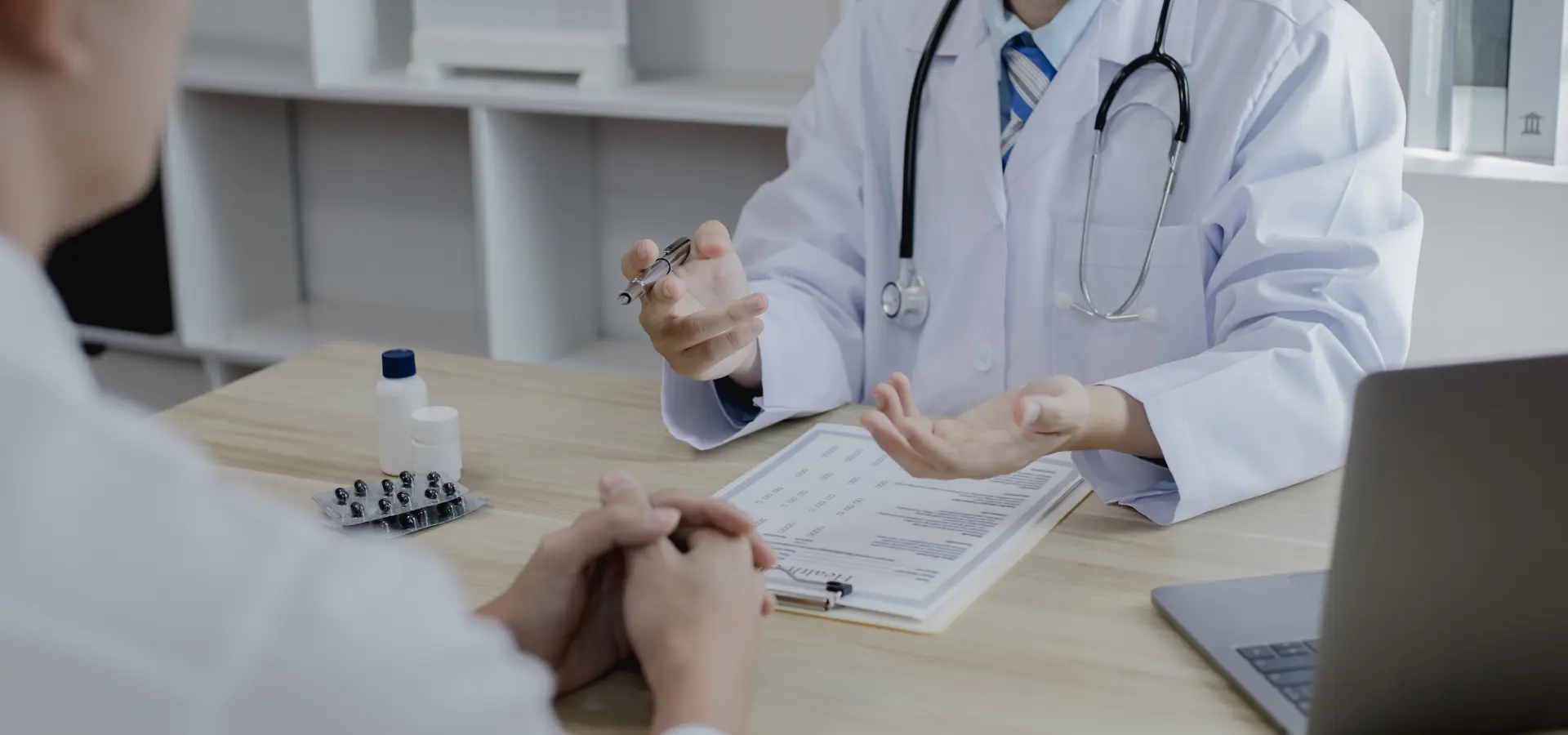
Your history and a focused exam
We ask about recent infections, procedures, and health conditions, then check the spine to locate the tender level and assess for nerve changes.
MRI, labs, and cultures
MRI shows involvement of the bone, disc, canal, and abscess. When it's safe, we collect cultures before starting antibiotics. Knowing the exact organism makes treatment effective.
Joint spine review
A neurosurgeon, an orthopaedic spine surgeon, and an infectious disease specialist review the case together to address the infection and bone damage.
You get a detailed plan
Our osteomyelitis doctors discuss finding the infection, antibiotic plans, spine care, follow-up, and when an infectious disease specialist will be involved.
Osteomyelitis treatment, from conservative care to surgery
Osteomyelitis treatment starts with medical care. Antibiotics target the infection, while surgery is used to relieve pressure in the spinal canal, drain abscesses, or stabilize weakened bone.
Medical treatment first
How most spinal bone infections are treated
- Blood cultures and image-guided biopsy should be done to identify the organism when it is safe, before starting treatment.
- A prolonged targeted antibiotic course, often six weeks or longer, guided by an infectious disease specialist.
- Bracing and activity restriction while the infected bone heals and pain begins to settle.
- Monitoring with imaging, inflammatory markers, and treatment of diabetes, kidney disease, or another underlying condition.
Surgery, when it is necessary
For destroyed bone, an abscess, or an unstable spine
- Debridement of infected or destroyed bone when dead tissue makes the infection difficult to control.
- Drainage of an associated abscess compressing nearby nerves or the spinal cord.
- Decompression when infection reaches the spinal canal and affects nerves or the spinal cord.
- Stabilization or reconstruction when bone loss leaves the spine unstable, including revision around existing hardware.

When it cannot wait: fever with severe back pain, night pain that will not settle, new weakness or numbness in the limbs, or loss of bowel or bladder control. Call 911 or go to the nearest emergency department now.
Doctors who treat Spinal Osteomyelitis in New York
Our osteomyelitis doctors serve the New York metro area with neurosurgery and orthopaedic spine review, coordinating medical partners before surgery.