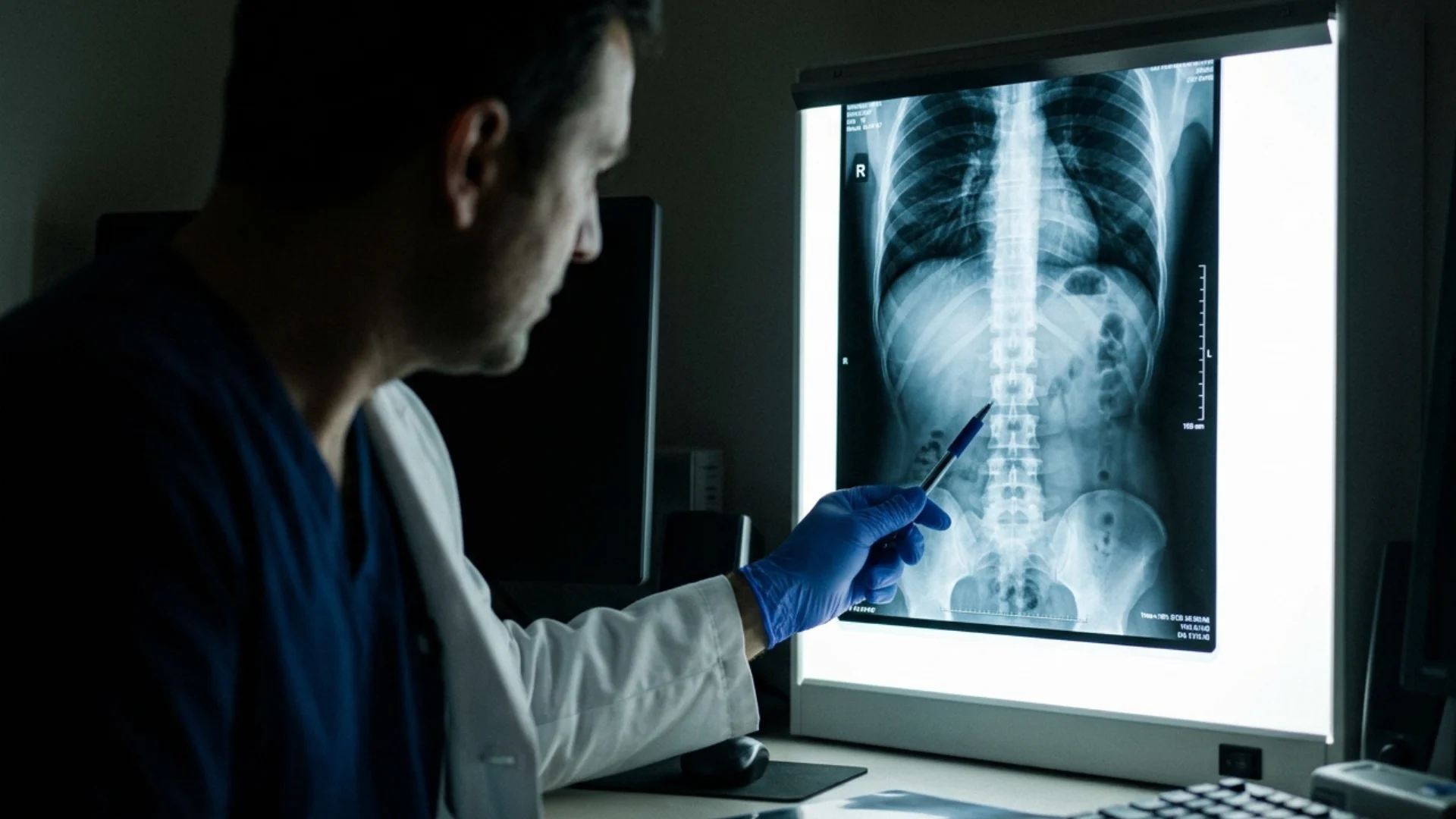
Spinal Tumors Treatment in New York
Our New York spinal tumor doctors review your case as one team, starting with the least invasive care that can help.
What is a spinal tumor ?
A spinal tumor can grow in one of three places: inside a vertebra, in the coverings around the spinal cord, or in the cord itself. That location guides the whole treatment plan, and pinning it down is the first thing we do.
The spinal canal is narrow, with no room to spare. A tumor growth there presses on the cord or the nerves. That pressure causes most of the symptoms. Finding the type and location of the tumor is what makes treatment work.
See how it is treated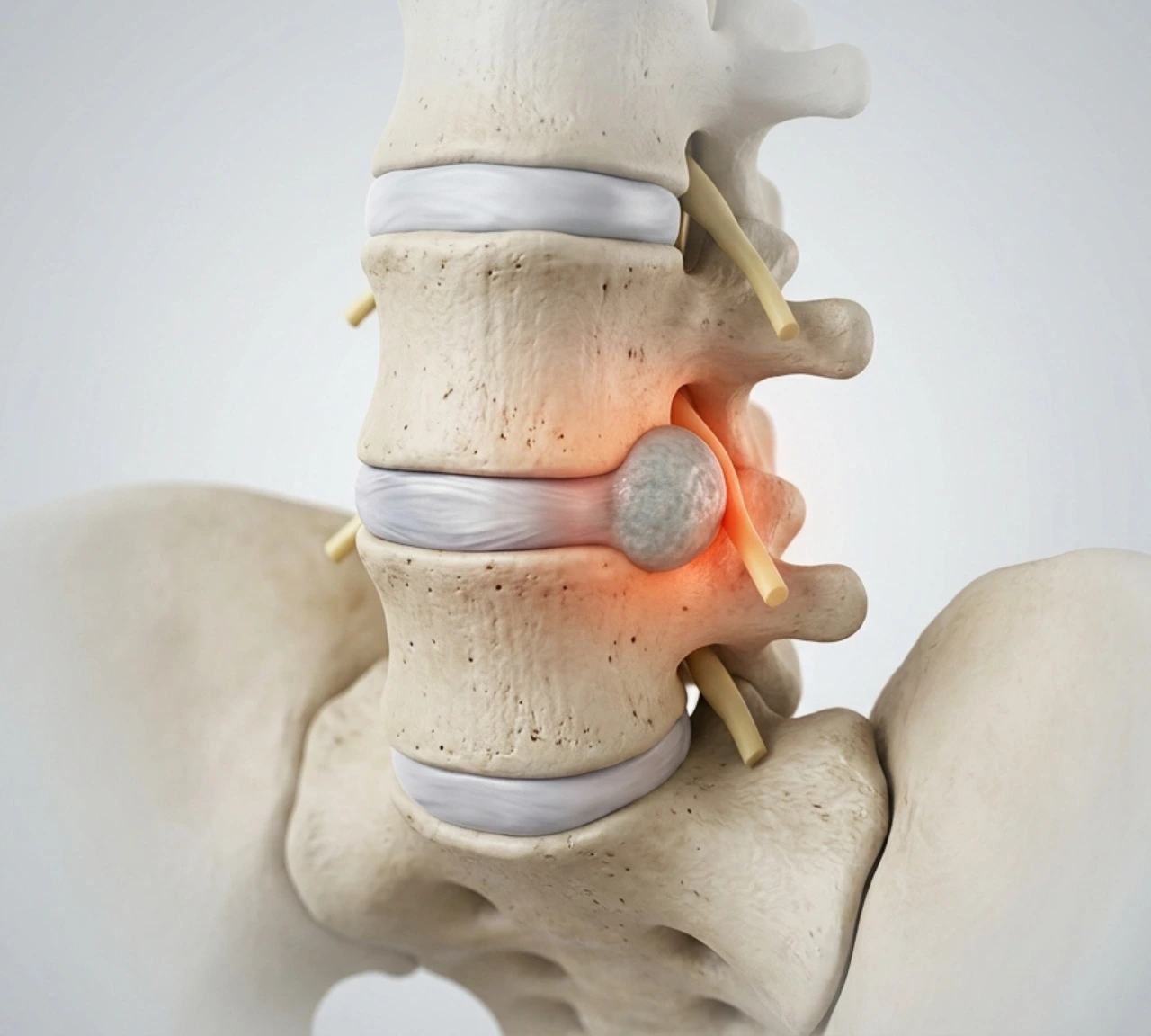
Spinal tumor symptoms
How the pain behaves matters as much as the pain itself. A few signs set a spinal tumor apart from an ordinary strained back.

Pain that is worse at night or at rest
Back or neck pain that worsens at night or when you lie down. Ordinary strain eases with rest; this does not.

Pain that ignores position and activity
Pain that does not ease with rest, movement, or a change of position. It tends to build over time.

Numbness, weakness, or clumsiness that is progressing
Numbness, weakness, or clumsy hands or feet that slowly get worse. This points to pressure on the cord or the nerves.

New changes in bladder or bowel control
New loss of bladder or bowel control alongside these symptoms is an emergency. It can signal sudden pressure on the cord.
What causes tumor growth in or near the spine ?
Some tumors begin in the spine. Many more spread there from cancer elsewhere. Naming the source comes first, because it points to very different treatments.
Book an Appointment →-
01
Spread from a cancer elsewhere
Cancer that has spread from another part of the body. This is the most common cause in adults.
-
02
Tumors of the coverings or nerves
Found on the coverings or the nerve roots, such as meningioma and schwannoma. These are often benign.
-
03
Tumors within the cord itself
Less common ones that start inside the spinal cord itself, such as ependymoma and astrocytoma.
-
04
Bone tumors of the vertebrae
Tumors that start in the bones of the spine. These range from benign to malignant.
-
05
Recurrent or previously treated tumors
One that has come back, or one in a spine already operated on or irradiated. Surgery here is more demanding, and we review it in detail.

How is a spinal tumor diagnosed?
History and exam
We review your symptoms and test your strength, sensation, reflexes, and gait. Together, these show where in the spine the problem lies.
Imaging and biopsy, in the right order
A biopsy is arranged when the treatment depends on the tissue diagnosis, and we say when imaging plus your history already answers the question.
Two specialties working on one case
A neurosurgeon and an orthopaedic spine surgeon read your imaging together, with oncology. That way the plan covers both the tumor and the stability of your spine.
A plan you can follow
You leave knowing the type and location of the tumor, whether a biopsy is needed and why, and the next step set out in plain terms.
Spinal tumor treatment, from conservative care to surgery
Treatment depends on the tumor's type, its location, and your health. It can range from monitoring and radiation to advanced surgery, always planned with oncology.
Non-surgical and shared care
Chosen for the case, not by default
- Monitoring with scheduled imaging for a slow-growing or benign tumor.
- Radiation therapy, planned together with radiation oncology.
- Medical and oncologic treatment when it has spread from elsewhere.
- Pain management and support for bone strength throughout.
Surgery, when it protects the cord or the spine
Matched to the tumor and the anatomy
- Decompression to take pressure off the cord or the nerves.
- Resection of the tumor where full removal is achievable.
- Stabilization and reconstruction where bone has been weakened or removed.
- Revision and complex surgery in a previously operated or irradiated spine.

When it cannot wait: rapidly worsening weakness in the arms or legs, a new change in walking or balance, new loss of bladder or bowel control, or severe back pain with fever or unexplained weight loss. Call 911 or go to the nearest emergency department right away.
Doctors who treat Spinal Tumors in New York
Our spinal tumor orthopaedic surgeons and neurosurgeons plan care with the oncology team. All bring academic-level training, caring for patients across the New York metro area.