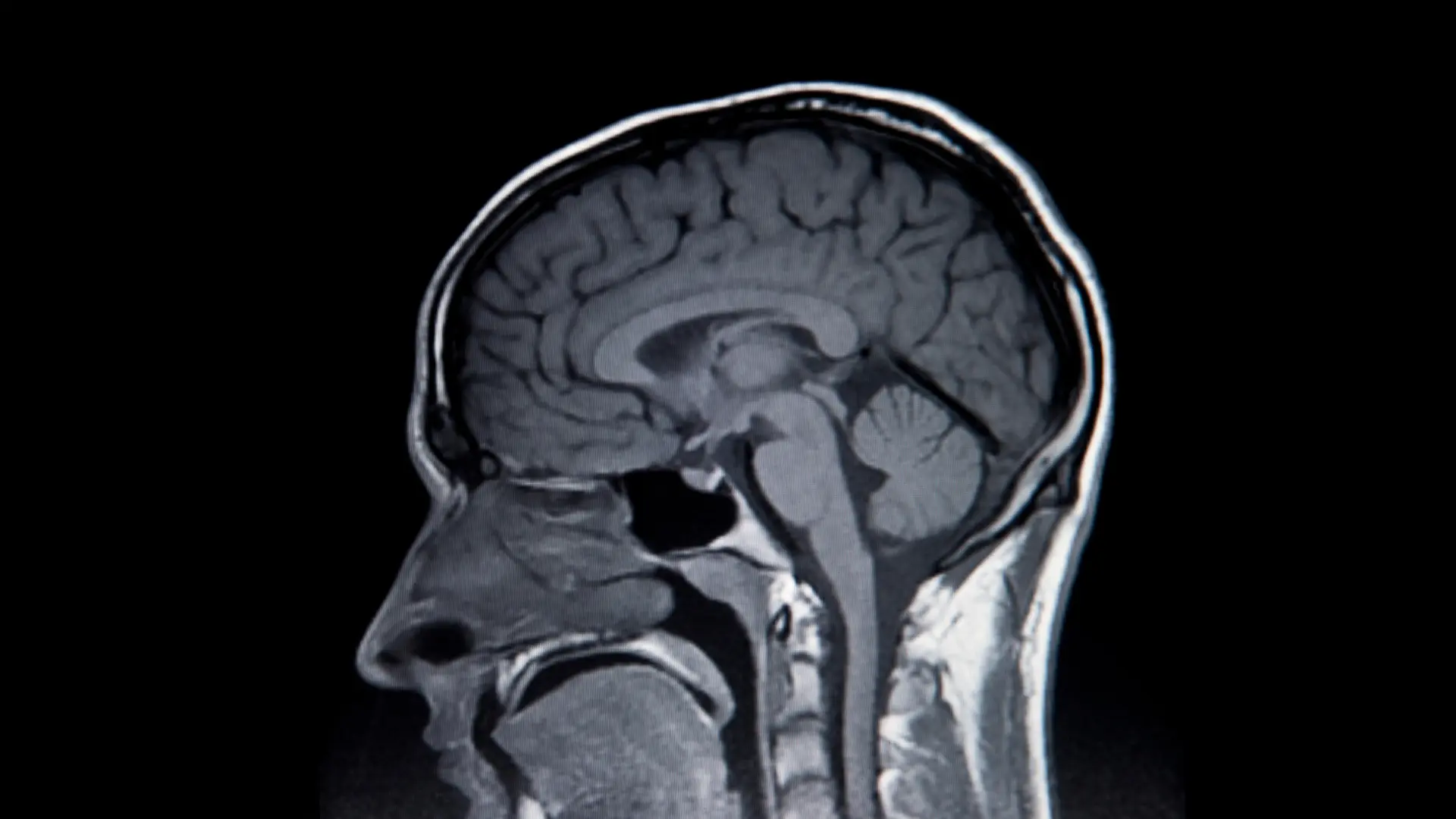
Subdural Hematoma Treatment in New York
Our New York subdural bleeding doctors review your case together and recommend the least invasive option supported by the findings.
What is subdural hematoma ?
A subdural hematoma is a type of bleeding that occurs between the brain and its outer covering. This bleeding takes place on the surface, not within the brain tissue itself. In older adults, it may develop weeks or even months after a head injury, so symptoms may appear long after the initial trauma.
Fine veins in that area can tear and leak, causing the space to fill slowly and pressure to build gradually. So, the first signs may include confusion or unsteadiness. By examining the scan along with your symptoms, we can determine the appropriate treatment.
See how it is treated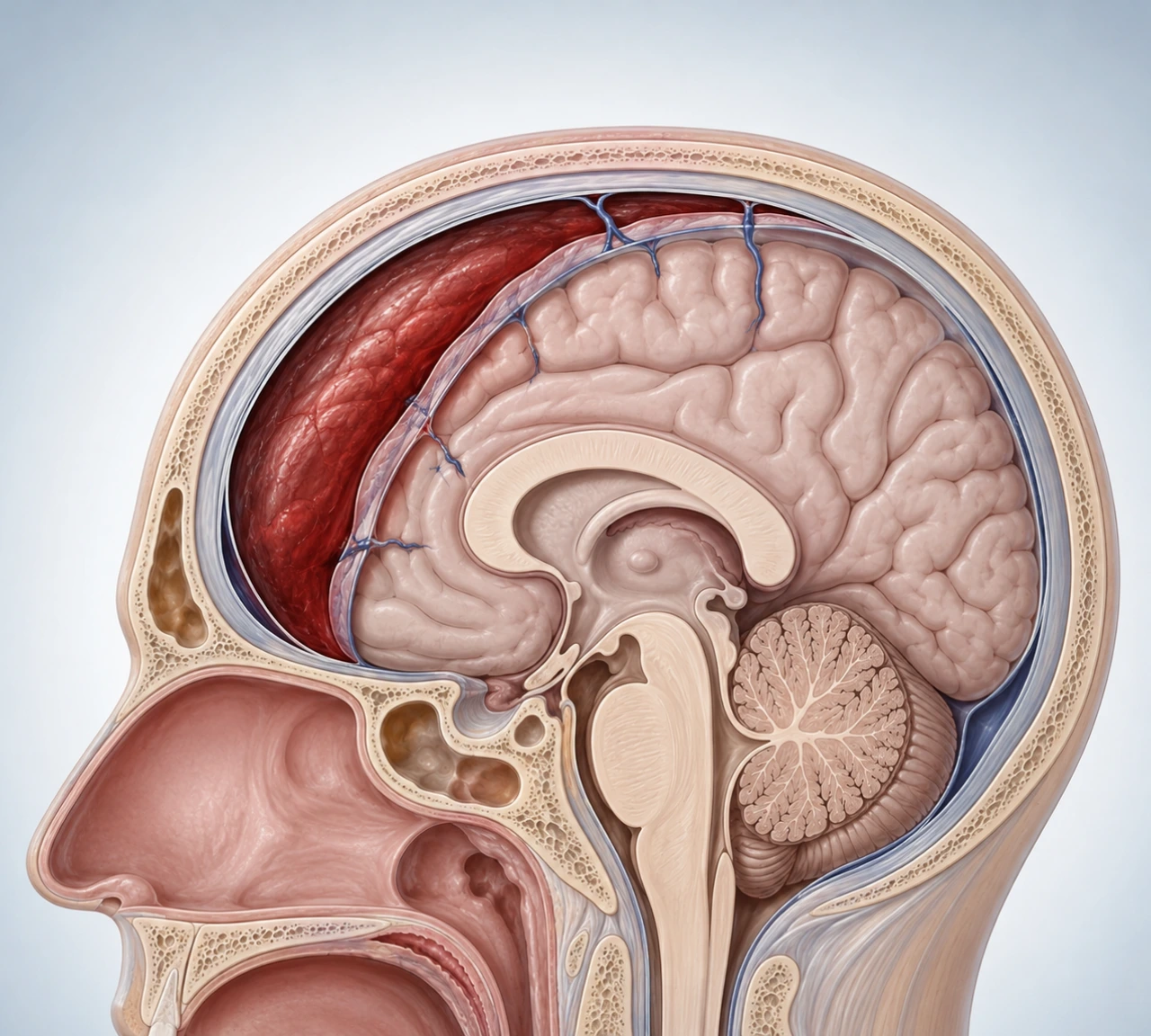
Subdural hematoma symptoms
Symptoms often build slowly, and family may notice them before you do. These are the patterns worth paying attention to.

Headache building over days or weeks
A headache that has been slowly building over days or weeks, rather than one that came on all at once.

Confusion or a change in personality
Confusion, memory slips, or a personality change that family often notices before the person does.

Unsteady walking, falls, or one-sided weakness
Unsteadiness on your feet, new falls, or weakness that comes and goes on one side of the body.

Increasing drowsiness or trouble waking
If someone feels drowsy or hard to wake after a head injury, get emergency care right away.
What causes blood to collect on the surface of the brain ?
A subdural hematoma usually starts with a torn vein after a head injury. Several risk factors make it far more likely.
Book an Appointment →-
01
A head injury, often minor
A head injury is the most common cause, sometimes so minor that it is not remembered, such as a simple bump or a low fall.
-
02
Older age
As the brain shrinks slightly as we age, the space widens, and the bridging veins tear more easily.
-
03
Blood thinners or a bleeding disorder
Blood thinners or a bleeding disorder can make bleeding start more easily or last longer.
-
04
Alcohol use and repeated falls
Excessive alcohol consumption increases the likelihood of falls and bleeding, which often occur together.
-
05
Recurrence after earlier drainage
Collections can return after drainage, calling for dedicated review before another procedure.

How is a subdural hematoma diagnosed?
History and a neurological exam
We ask about any recent head injuries, your medications, and any changes in your health. Then, we check your strength, balance, memory, and pupils.
A CT scan to look for a subdural hematoma
A CT quickly shows the size and age of the collection. We may monitor a small collection in someone with no symptoms using repeat imaging rather than drain it, and recommend against surgery when the scan is the only abnormal finding.
Two specialties, one case
A neurosurgeon and an orthopaedic spine surgeon review the case together, since the fall that caused the bleed can injure the neck too.
A clear recommendation
You leave understanding the plan, whether it's to monitor, adjust your medication, or perform a drainage procedure.
Subdural hematoma treatment, from conservative care to surgery
Subdural hematoma treatment depends on collection size, symptoms, pressure, and change over time. Monitoring may be appropriate, while other findings need surgery.
Monitoring and non-surgical care
For a quiet collection that is not pressing on the brain
- Monitoring with repeat imaging for a contained collection that causes no symptoms.
- Review and adjustment of blood-thinning medication, with the doctor who prescribed it.
- Managing the fall risk that led to the injury in the first place.
- Treatment for headache while the body reabsorbs the blood.
Surgery, when it is required
Our subdural bleeding surgeons favor the least invasive drainage that works
- Burr hole drainage, which uses a keyhole opening in the skull and is the usual treatment for a chronic collection.
- Craniotomy for an acute or solid collection that requires more extensive access.
- Middle meningeal artery embolization in selected cases to lower risk of recurrence.
- Repeat drainage if the collection returns.

When it cannot wait: increasing drowsiness or difficulty waking, a worsening headache with vomiting, new weakness on one side, confusion that is getting worse, a seizure, or unequal pupils. Call 911 or go to the nearest emergency department straight away.
Doctors who treat Subdural Hematoma in New York
Our team of subdural hematoma specialists, including neurosurgeons and orthopaedic spine surgeons, reviews each case across the New York metro area.