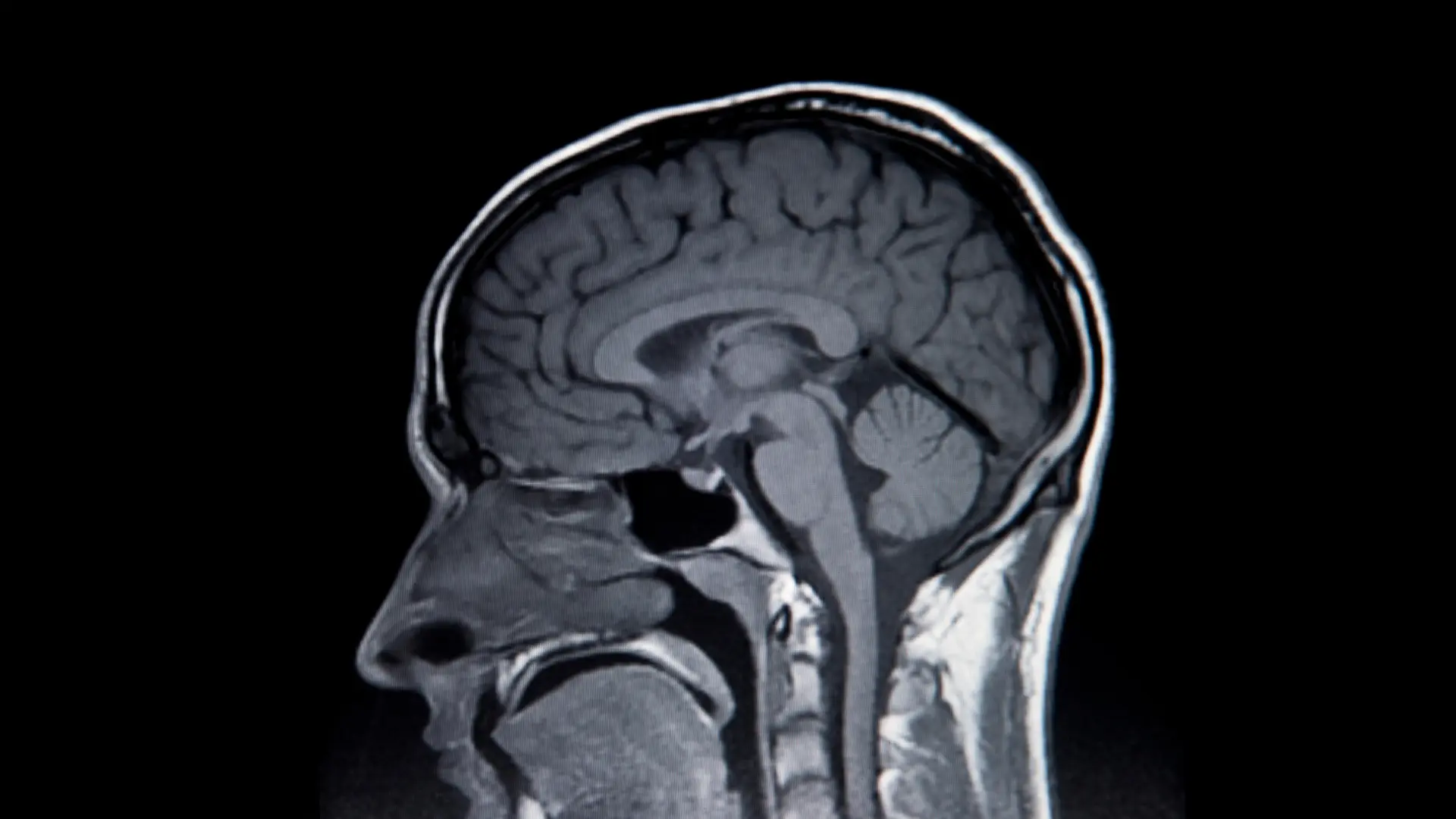
Traumatic Brain Injury Treatment in New York
Our New York traumatic brain injury specialists review your case together, guiding evaluation, recovery, and second opinions after a concussion or serious head injury.
What is traumatic brain injury ?
A traumatic brain injury is not limited to the moment of the blow. The force of an impact moves the brain inside the skull, stretching nerve fibers and injuring delicate blood vessels. This initial damage can affect thinking, memory, balance, mood, or sleep, even if the person appears well soon afterward.
During the hours or days that follow, swelling, bleeding, or rising pressure can worsen symptoms and may become more serious than the original blow. Since the injury can change over time, clear diagnosis and a specific plan for what to watch for guide treatment and recovery.
See how it is treated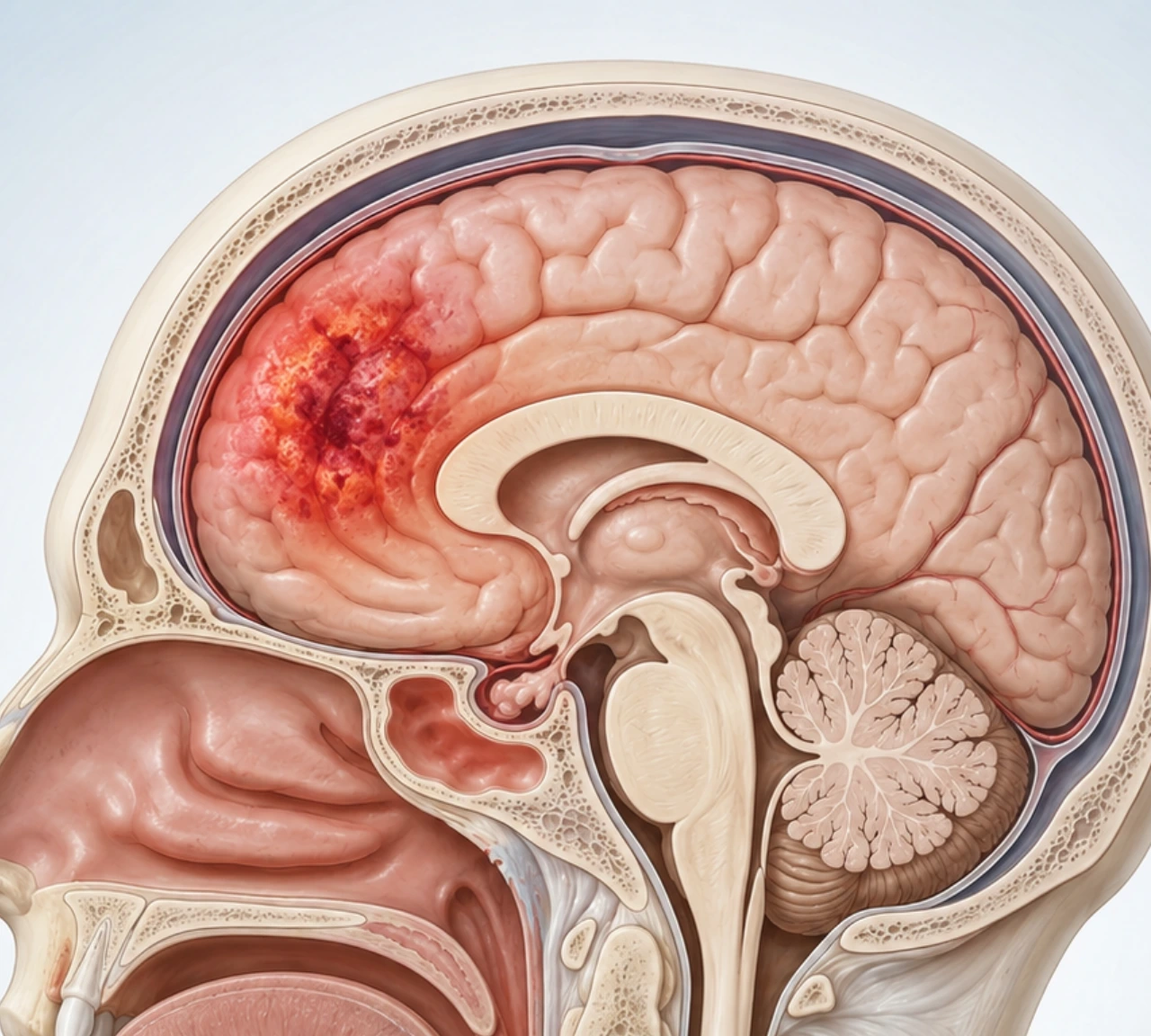
Traumatic brain injury symptoms
The symptoms of a neuro injury can appear right away or build over the following days. These are the patterns to keep an eye on.

Headache that persists or worsens
A headache after the injury that does not settle, or that steadily gets worse over the hours and days afterward.

Confusion or memory gaps
Confusion, gaps in memory around the event itself, or a sense of being slowed down and foggy.

Dizziness, nausea, and sensitivity to light or noise
Nausea, dizziness, sensitivity to light and noise, and trouble concentrating, which can linger for weeks.

Warning signs that need urgent care
Increasing drowsiness, repeated vomiting, worsening weakness, or a seizure after a head injury needs emergency care right away.
What causes head injury ?
A traumatic brain injury comes from an outside force. A handful of causes account for most of them.
Book an Appointment →-
01
Falls
The most common cause overall, and the leading one in older adults and young children.
-
02
Motor vehicle and bicycle collisions
Car, motorcycle, and bicycle crashes, where the head is thrown or struck at speed.
-
03
Sports and recreational impacts
A blow during sport or recreation, including repeated impacts across a single season.
-
04
Assault and workplace injury
Assaults and workplace accidents can injure the brain through blows, falls, or penetrating trauma.
-
05
A second injury or a delayed bleed
A second injury before the first has healed, or a bleed that appears days later, needs urgent review, especially in older adults and anyone taking blood thinners.

How is traumatic brain injury diagnosed?
History and a neurological exam
We review the event and symptoms, then examine alertness, memory, speech, pupils, strength, sensation, balance, and coordination.
Imaging only when it is needed
Not every head injury needs a scan, and we use established criteria rather than scanning by default, because a careful examination and a clear plan for what to watch for is often the better answer.
Both specialties reviewing the case together
A neurosurgeon and an orthopaedic spine surgeon review the case together, since a hard enough impact can injure the neck as well as the head.
A recovery plan you can follow
You leave with a clear recovery plan, the signs that would mean coming back sooner, and knowing exactly who to call.
Traumatic brain injury treatment, from conservative care to surgery
Most brain injuries are managed without surgery, through rest, recovery, and follow-up. An operation is reserved for specific scan findings like bleeding or dangerous pressure.
Recovery and monitoring first
How most brain injuries are managed
- Structured rest followed by a gradual return to activity, work, school, or sport.
- Treatment for headache, sleep disturbance, mood changes, and other persistent symptoms.
- Vestibular and cognitive rehabilitation for balance, concentration, memory, and daily tasks.
- Scheduled review with specific instructions for symptoms that require immediate contact.
Surgery for specific findings
When a scan shows something that needs surgery
- Removal of a blood collection that is pressing on the brain.
- Monitoring or surgical relief of raised pressure inside the skull.
- Repair of a skull fracture or cerebrospinal fluid leak.
- Decompressive surgery when severe swelling threatens the brain.

When it cannot wait: after any head injury, increasing drowsiness or trouble waking, repeated vomiting, a worsening headache, a seizure, new weakness or numbness, unequal pupils, clear fluid from the nose or ear, or confusion that is getting worse. Call 911 or go to the nearest emergency department now, and go sooner if you take blood thinners.
Doctors who treat Traumatic Brain Injury in New York
Our traumatic brain injury doctors serve the New York metro area, with academically trained neurosurgeons and orthopaedic spine surgeons reviewing every case together.