Cervical Spine Surgery in New York
Our New York cervical spine surgery team plans your case together, starting with the least invasive option that can safely work.
What is cervical spine surgery?
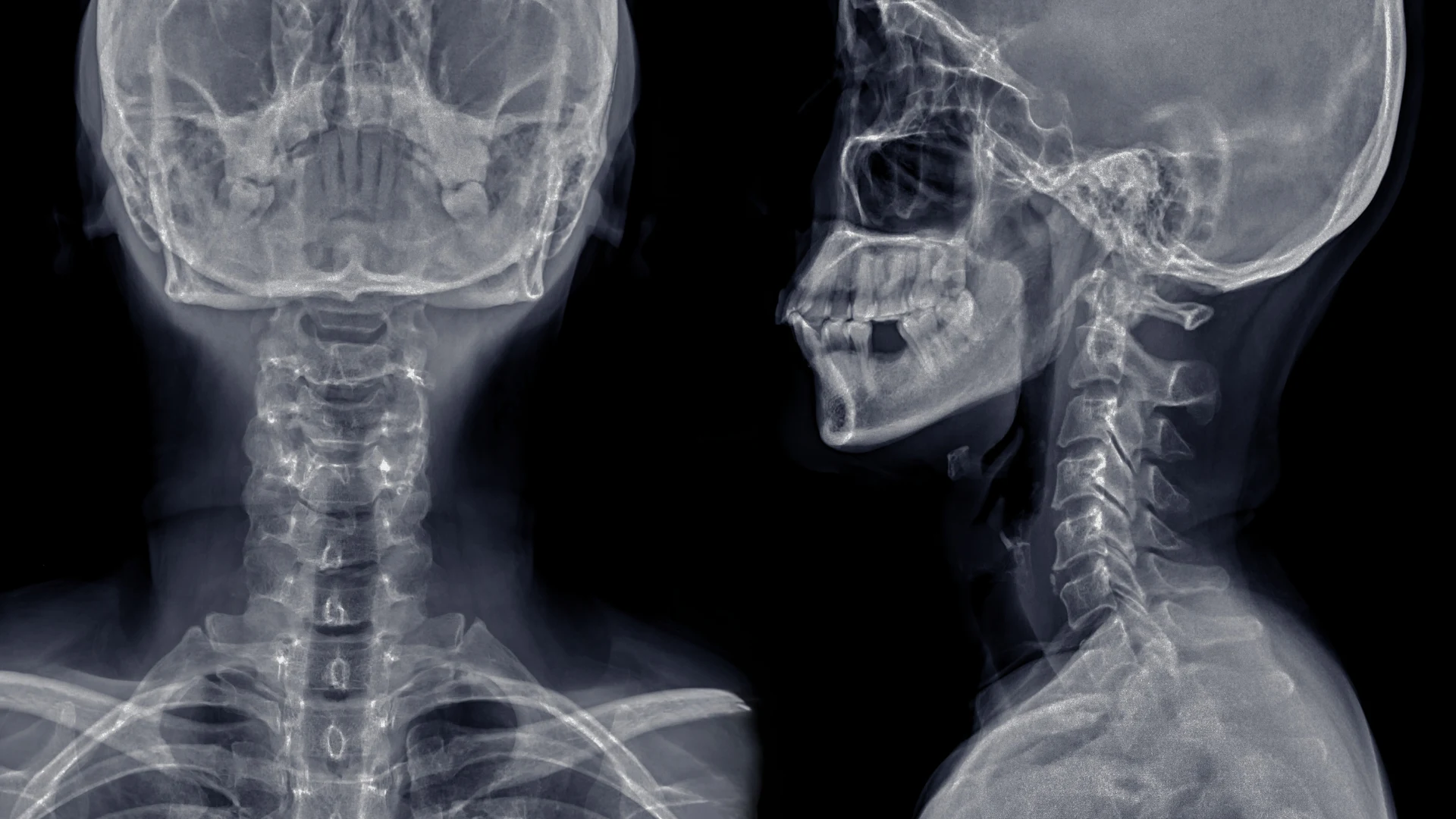
Neck surgery is not a single operation; it includes several types. The specific procedure you need depends on whether the compression is in front of or behind the spinal cord. The cervical spine consists of seven vertebrae, labeled C1 through C7, that protect the spinal cord and support your head.
The first decision is which side to approach from. This choice influences recovery, risks, and the preservation of motion. Choosing the right approach at the right level makes a big difference. The wrong approach can reduce the operation’s potential benefit.
See how we approach it
Who is cervical surgery for?
Candidacy depends on a clear pattern of symptoms, examination findings, and imaging results, not neck pain alone.

Arm pain that persists
Pain, numbness, or weakness down one arm that has not improved with conservative treatment.

Signs of cord involvement
Clumsy hands, difficulty using buttons and keys, or changes in your walking or balance.

Progressive weakness
A grip that keeps weakening, or a limb that loses function without pain. Weakness deserves prompt evaluation.

A matching structural problem
Imaging that matches your symptoms and your examination. That agreement can help make cervical spine surgery more predictable.
How cervical spine surgery is performed ?
The approach follows the diagnosis. A herniated disc, narrowing, worn discs, and injuries may each require a different treatment. Cervical fusion is one option here, covered on our spinal fusion page.
Anterior cervical discectomy and fusion
ACDF surgery removes the disc from the front and fuses the level. The most common neck operation.
 01
Cervical disc replacement
Removes the disc from the front, replacing it with a motion-preserving implant.
02
Posterior decompression
Laminectomy or laminoplasty reopens the canal from behind, usually used for more than three levels.
03
Foraminotomy
Widens the opening used by a nerve root through a small incision.
04
Revision and multilevel reconstruction
A prior neck operation may be extended, corrected, or rebuilt when problems persist or return.
05

How we determine whether cervical spine surgery is right for you
Your history and examination
We listen first, then test strength, reflexes, sensation, balance, and gait to identify the affected level.
Imaging read alongside the exam
We do not operate based on a scan alone. Imaging showing narrowing that is not confirmed by an examination does not lead to surgery here, and we will tell you when the imaging and examination do not agree.
Two specialties, one plan
Neurosurgeons and orthopaedic spine surgeons review your images and exams together. This way, the recommendation includes both viewpoints.
The plan explained in plain language
We explain the alternatives, recovery, and why the smallest procedure that can safely achieve the desired result is appropriate—or why surgery is not needed.
What we try before cervical spine surgery surgery
Most neck pain does not require surgery. Only a small group with specific symptoms and imaging findings needs surgery. If the spinal cord is compressed and function is affected, delaying treatment can lead to permanent loss of function.
Conservative care
Most neck problems resolve without surgery.
- Physical therapy targeting the affected level
- Medication for nerve pain and inflammation
- Image-guided injections to confirm the affected level
- A set period of monitored care
Surgery, when needed
Minimally invasive procedures when appropriate.
- Anterior cervical discectomy and fusion (ACDF), the most common approach
- Cervical disc replacement, which preserves motion
- Posterior decompression for multiple levels
- Foraminotomy for a single nerve root

When to call us after surgery: difficulty breathing or swallowing, a swollen neck, fever or drainage at the incision, new arm or leg weakness, or loss of bowel or bladder control. For difficulty breathing or new weakness, call 911 or go to the nearest emergency department.