Astrocytoma Treatment in New York
Our New York astrocytoma specialists plan every case as one team, weighing each option from careful monitoring to surgery.
What is astrocytoma ?
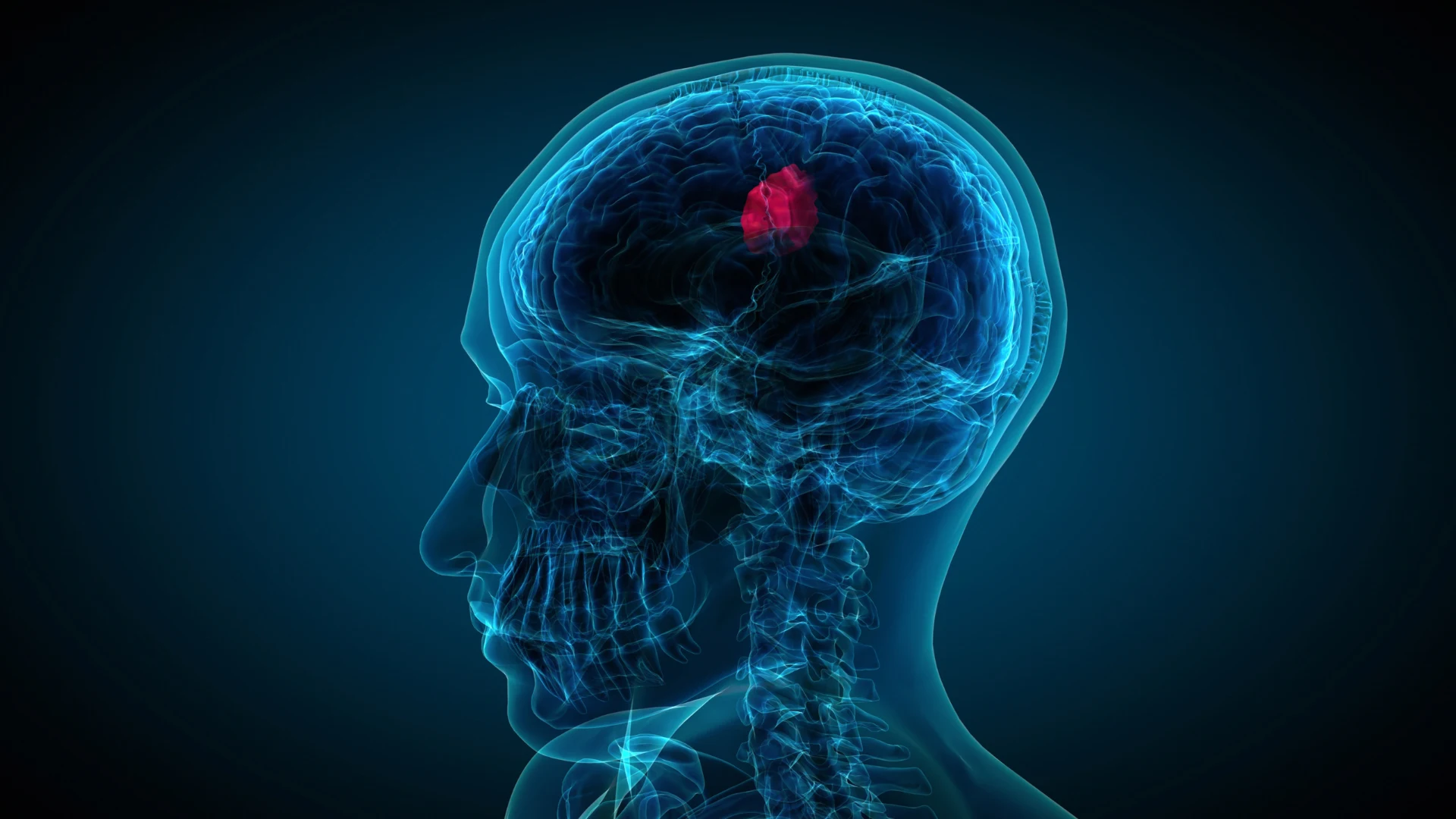
Astrocytoma is one specific kind of glioma, named for the star-shaped brain cells it comes from. The range within that name is wide. Some tumors grow slowly for years, while others behave more aggressively and need faster treatment with multiple specialty partners.
Astrocytes help feed and support nerve cells in the brain. When a tumor starts from those cells, grade and location shape the next step. Two tumors with the same name may need different plans. Accurate diagnosis is what makes treatment work.
See how it is treated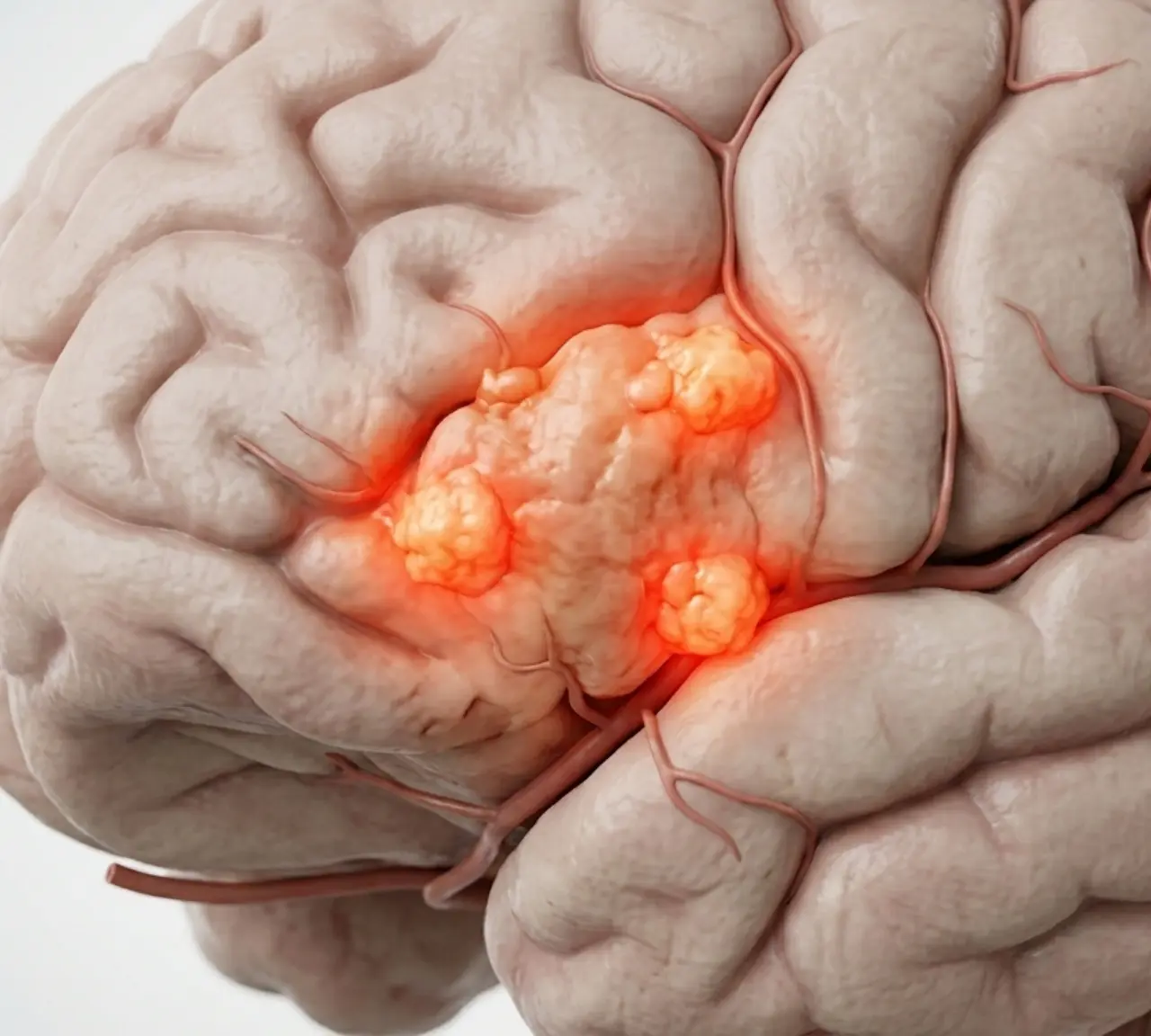
Astrocytoma symptoms
How an astrocytoma presents itself depends a lot on its grade and location, and the symptoms can vary in children. The four patterns below are the most common ones observed.

A first seizure
A first seizure needs prompt evaluation in adults, children, or teens, even after a full recovery.

A headache that has changed
A headache that changes in pattern, intensity, timing, or nausea pattern deserves specialist attention.

Weakness, numbness, or clumsiness on one side
Progressive weakness, numbness, or clumsiness on one side can reflect pressure on brain pathways.

Changes in speech, coordination, vision, or memory
Speech, coordination, vision, memory, balance, behavior, or developmental progress may change with tumor location.
What causes a tumor of the brain's star-shaped support cells ?
For most people, nothing they did explains it, and no cause is ever identified. Still, a few risk factors are recognized.
Book an Appointment →-
01
No cause is found
In most cases, no specific cause of an astrocytoma can be identified.
-
02
Earlier radiation to the head
Radiation treatment to the head years earlier, often for another condition, is one of the few established risks.
-
03
An inherited syndrome
Inherited conditions such as neurofibromatosis type 1 are most relevant in children.
-
04
Age paired with grade
Astrocytoma in adults is usually a higher grade. In children, the lower grades are more common.
-
05
Progression or recurrence
A tumor that recurs or progresses after prior treatment presents challenges for surgery in the affected tissue.

How is astrocytoma diagnosed?
Your history, then a hands-on neurological exam
Strength, sensation, coordination, reflexes, vision, and speech are all assessed. Questions are also asked about how and when the symptoms began.
Imaging, and knowing when to hold off
MRI shows the tumor's size and location. Further scans can track functions related to speech and movement. If a low-grade tumor is stable and not causing symptoms, we may recommend scheduled imaging instead of immediate treatment.
Both specialties on one case, paediatrics included
Neurosurgery and orthopaedic spine review the case side by side, and paediatric specialists join in when the patient is a child.
A clear plan, explained before you go
By the end, you will understand the likely grade of the condition. You will also know whether the first step is astrocytoma removal, a biopsy, or monitoring, as well as the following measures.
Astrocytoma treatment, from conservative care to surgery
The right first step for astrocytoma varies across New York based on grade and location. Some low-grade tumors are monitored, while others require surgery, radiation, or medication.
Monitoring and treatment alongside surgery
Monitoring is often the core of the plan, not a fallback
- Scheduled MRI monitoring while a low-grade tumor remains stable and causes no symptoms.
- Radiation therapy and medical oncology treatment, planned with your neuro-oncology team.
- Medication to keep seizures under control.
- Rehabilitation and supportive care that protect everyday function.
Surgery, and the tools that make it safer
Astrocytoma surgeons select the surgical approach that avoids critical functions
- Craniotomy to safely remove as much of the tumor as possible.
- Awake mapping and intraoperative monitoring near areas involved in speech or movement.
- Biopsy when tissue diagnosis and molecular testing are needed before choosing treatment.
- Repeat surgery for recurrence or progression after prior treatment.

When it cannot wait: a first seizure, a sudden severe headache unlike any before, repeated vomiting with headache, increasing drowsiness or confusion, or sudden weakness or loss of speech. Call 911 or head to the nearest emergency department now.
Doctors who treat Astrocytoma in New York
Our group of neurosurgeons and orthopaedic spine surgeons, including pediatric experts, evaluates astrocytoma cases throughout the New York metro area.