Glioma & Glioblastoma Treatment in New York
Our New York glioblastoma specialists review your case together, matching each glioma to the treatment it needs, from careful monitoring to surgery.
What is glioma ?
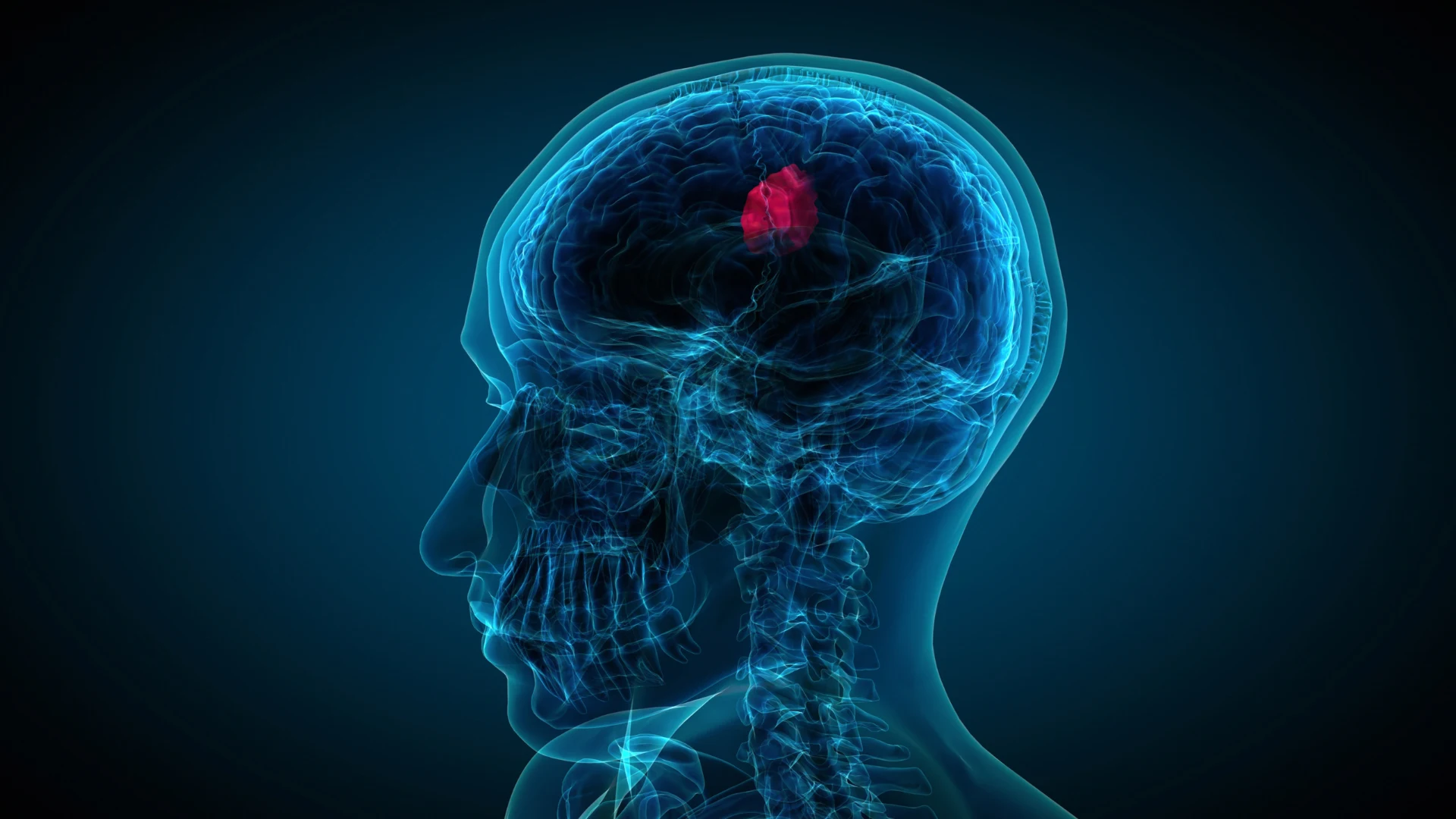
A glioma brain tumor begins in the brain’s supporting glial cells, so it grows within tissue rather than sitting beside it. Glioma cells may extend between healthy brain cells. The scan boundary may not show every tumor cell, so treatment combines surgery with other therapies.
A meningioma grows from the brain’s covering and usually pushes against it, while glioma blends into tissue. What was once called mixed glioma is now usually classified by tissue and molecular results as astrocytoma or oligodendroglioma. Accurate diagnosis is what makes treatment work.
See how it is treated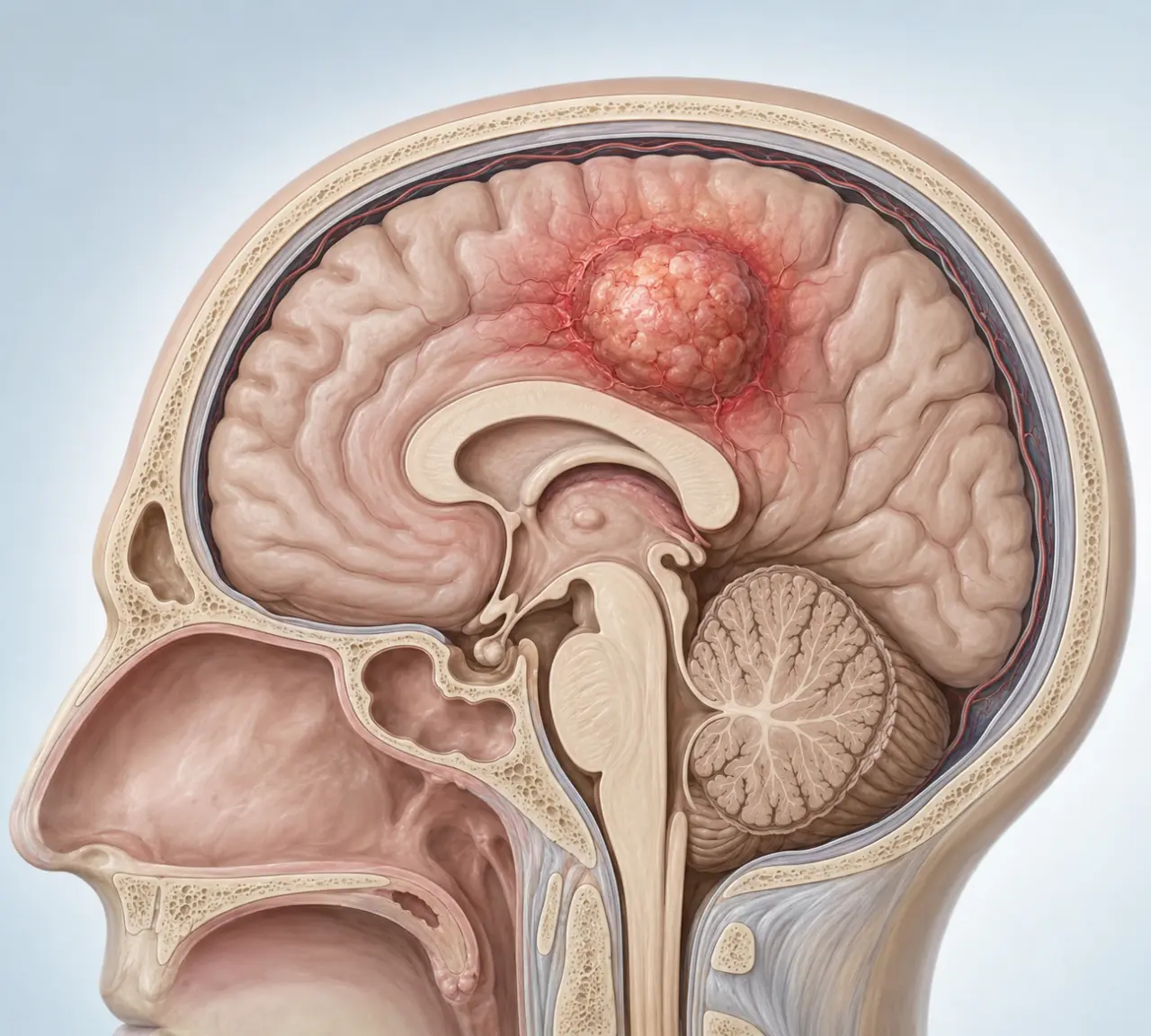
Glioma symptoms
Symptoms vary by tumor location and may include exhaustion that rest does not relieve, brain fog, daytime sleepiness, or nausea.
A first seizure as an adult
A seizure for the first time in adulthood needs prompt assessment, even if you feel completely well afterwards.

A new or different headache pattern
A new pattern may worsen in the morning or with straining, sometimes alongside nausea from pressure inside the skull.

One-sided weakness building over weeks
Weakness, numbness, or clumsiness may develop on one side over weeks and interfere with walking or hand use.

Changes in speech, memory, or personality
Speech trouble, memory problems, brain fog, low motivation, or personality changes may affect work and daily life.
What causes a tumor that grows within the brain tissue ?
For most people, there is no clear cause. A few factors are known to raise the risk.
Book an Appointment →-
01
No identifiable cause
For most people, no specific exposure, habit, or event explains why the glioma formed.
-
02
Previous radiation to the head
Radiation given to the head for another illness can raise risk many years later.
-
03
Rare inherited syndromes
A few uncommon genetic conditions run in families and make a glioma more likely.
-
04
Age, which varies by subtype
Many gliomas appear between the mid-forties and mid-sixties, while some subtypes turn up in younger adults.
-
05
Recurrence or progression after treatment
A glioma can return or advance after surgery, radiation, or chemotherapy, and reoperating in already-treated tissue is demanding; these cases are reviewed here in detail.

How is glioma diagnosed?
Your symptoms and an exam
We start with your symptoms and history, then test speech, strength, coordination, and memory to see which part of the brain is affected.
An MRI and tissue testing
A contrast MRI maps the tumor, and a sample of tissue confirms the type. Molecular testing of the tissue is central rather than optional here, and we explain what each result changes before it is ordered, so you understand why waiting for it is worthwhile.
Two specialists review it together
A neurosurgeon and an orthopaedic spine surgeon review the case together, and for a glioma they plan hand in hand with neuro-oncology and radiation oncology.
A treatment plan in plain terms
We walk you through the recommendation, whether that means surgery, radiation, medical therapy, or watching, and the reason behind each part.
Glioma treatment, from conservative care to surgery
For a glioma, treatment usually combines surgery, radiation, and medical therapy, planned with your neuro-oncology and radiation oncology teams.
Treatment alongside surgery
Care coordinated around the tumor
- Radiation therapy and medical oncology treatment, planned with your neuro-oncology team.
- Medication to control seizures and reduce swelling.
- Molecular testing of the tumor to guide which therapies are likely to work.
- Supportive care and rehabilitation to protect daily function.
Surgery, when needed
Aiming to remove as much tumor as safely possible
- Craniotomy to remove as much of the glioma as can be taken out safely.
- Awake mapping and monitoring to protect speech and movement when the tumor is near those areas.
- Biopsy when confirming the tissue type is the priority.
- Repeat surgery if the glioma returns.

When it cannot wait: a first seizure, severe headache unlike any before, repeated vomiting with headache, rapidly increasing drowsiness or confusion, or sudden weakness or loss of speech needs emergency care. Call 911 or go to the nearest emergency department now.
Doctors who treat Glioma & Glioblastoma in New York
Our glioma team pairs neurosurgeons with orthopaedic spine surgeons who review each case together, with academic-level training, throughout the New York metro area.