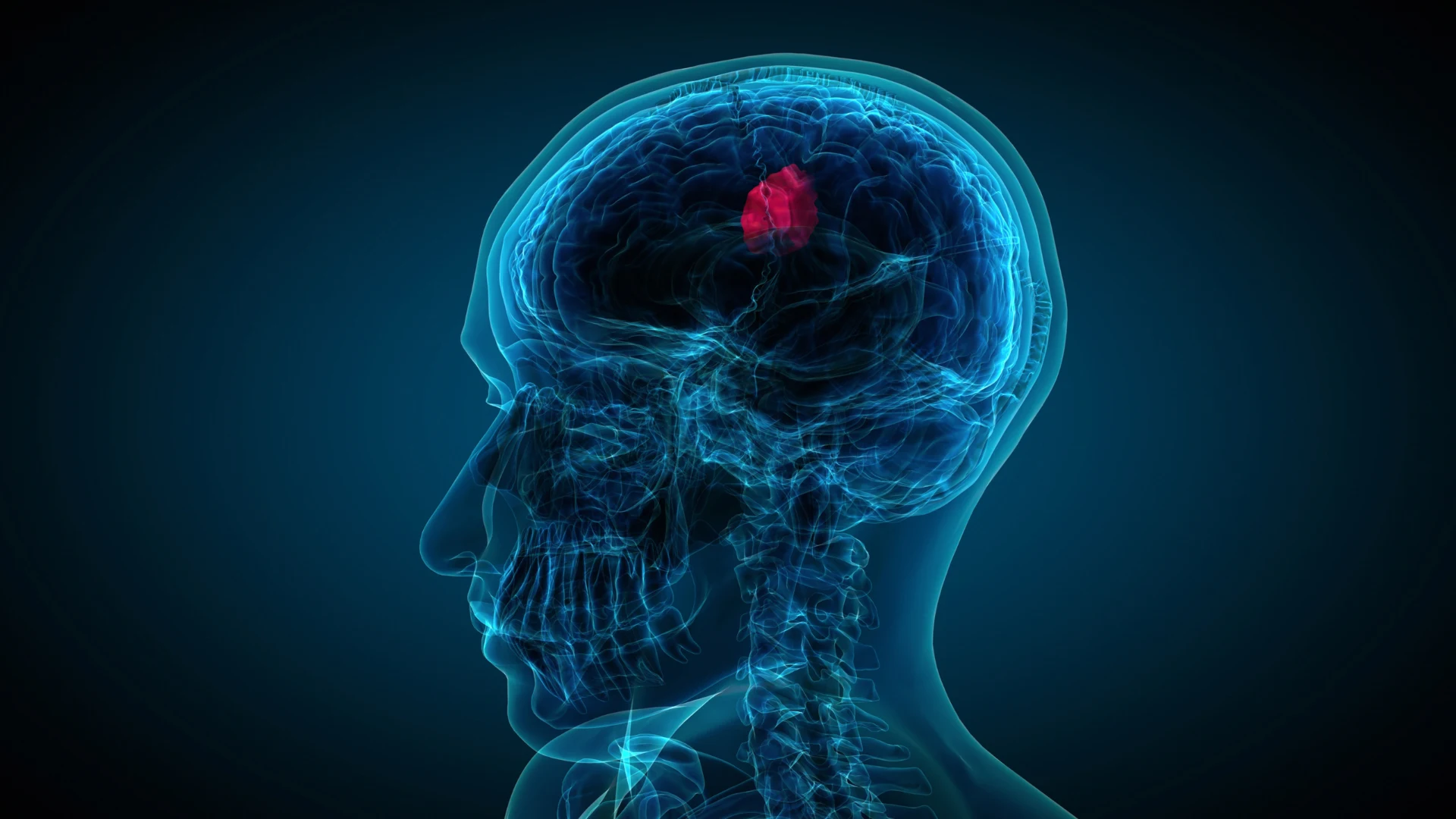
Ependymoma Treatment in New York
Our New York ependymoma specialists review your case together because treatment depends on the tumor's location in the brain or spine.
What is ependymoma ?
An ependymoma grows from the cells that line the fluid spaces of the central nervous system. Since these cells are present in both the brain and spinal cord, the tumor can develop in either location. It has two main effects: it exerts pressure on surrounding tissue and can obstruct the flow of spinal fluid.
Since it originates in the lining of the fluid pathways, it frequently obstructs the flow of spinal fluid. Elevated pressure and hydrocephalus appear early on. They don’t develop later as complications. Understanding its exact location and type is crucial to formulating an effective plan.
See how it is treated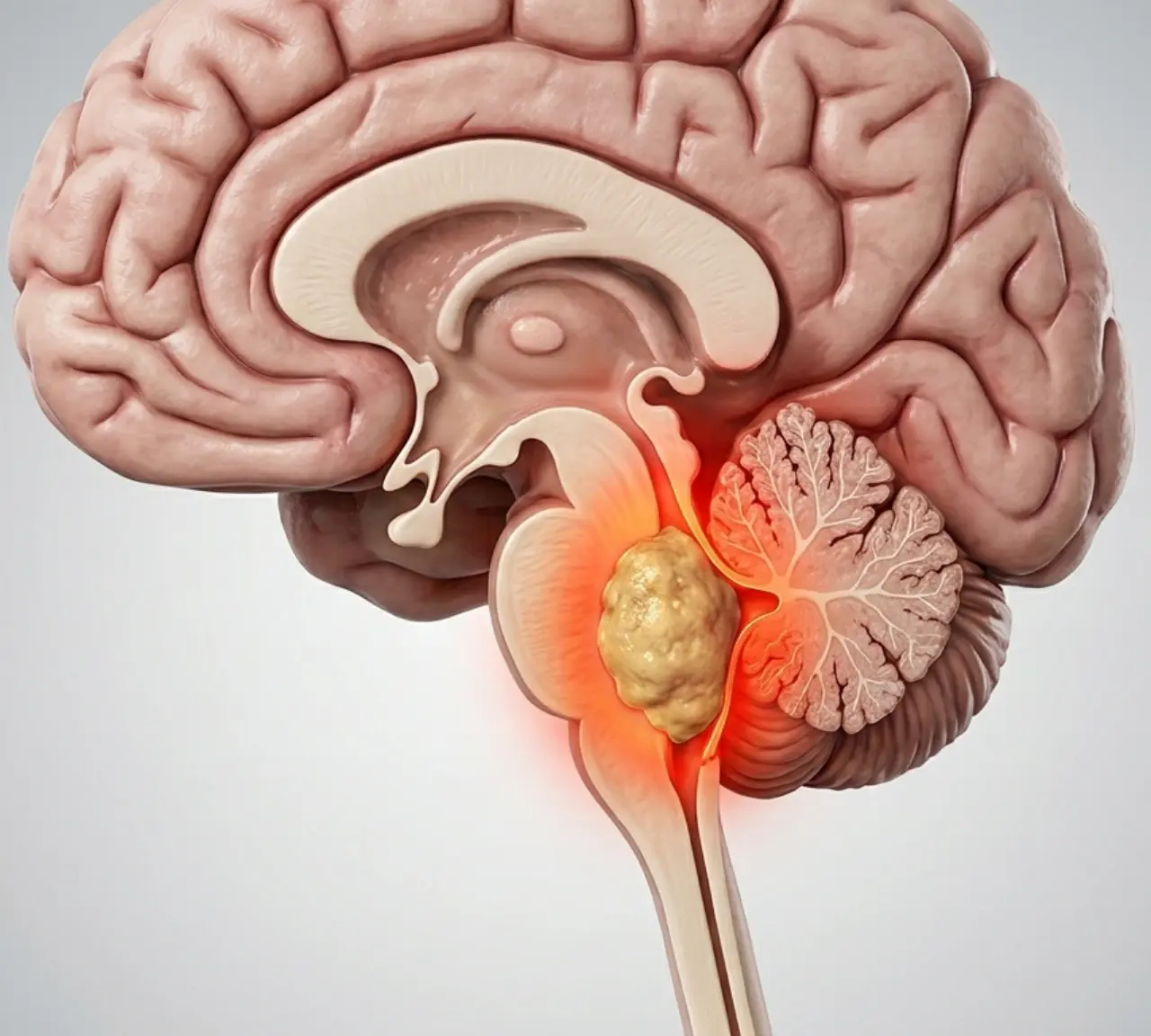
Ependymoma symptoms
Symptoms depend on the tumor's location and may appear differently in children. Here are the common symptoms to watch out for.

Headache with nausea, worse in the morning
Blocked fluid flow can cause rising pressure. This leads to a headache with nausea, often worst upon waking.

Back or neck pain with numbness or weakness
When the tumor is in the spinal cord, it can cause pain in the back or neck along with numbness or weakness in the limbs.

Balance problems and clumsiness
Coordination problems can cause unsteadiness, veering off line, or fumbling fine movements.

Changes in children that need attention
In children, symptoms may include irritability, vomiting, increased head size in babies, or lost milestones. Childhood ependymomas more often appear in the brain.
What causes a tumor of the fluid-lining cells of the brain and spinal cord ?
In many cases, the cause remains unidentified. However, there are a few patterns related to age and tumor location that are important to recognize.
Book an Appointment →-
01
No identifiable cause
In nearly all cases, there is no clear explanation for why an ependymoma developed.
-
02
Age and where it appears
These tumors show up in the brain more often in children, and in the spinal cord more often in adults.
-
03
Neurofibromatosis type 2
This inherited condition is linked to ependymoma of the spinal cord in particular.
-
04
The molecular subgroup
Specific genetic subgroups predict behavior more reliably than the tumor's appearance under the microscope.
-
05
Recurrence after earlier treatment
When an ependymoma returns after surgery or radiation, reoperating is demanding and is reviewed here in detail.

How is ependymoma diagnosed?
History and a full neurological exam
We check vision, hearing, strength, balance, and coordination, and ask how the symptoms began and changed.
Imaging of the whole brain and spine
MRI is the main test. Imaging covers the whole brain and spine rather than only the symptomatic area, because these tumors can occur in multiple locations, and we explain why before ordering the scan.
Both specialties working on one case, with pediatric specialists
A neurosurgeon and an orthopaedic spine surgeon review the case together. They also involve pediatric specialists when the patient is a child.
Next steps explained
You leave knowing if the first step is surgery. You also understand how radiation, pressure control, or monitoring fit into the plan.
Ependymoma treatment, from conservative care to surgery
Most people undergo surgery first to treat ependymoma, aiming for complete removal. What follows depends on the type and the grade.
Treatment alongside surgery
Usually part of the plan, not a fallback
- Radiation therapy after surgery, planned in consultation with radiation oncology.
- Managing increased intracranial pressure and hydrocephalus, sometimes with a shunt.
- Medical oncology treatment in selected cases.
- Scheduled monitoring of the whole brain and spine.
Surgery, the first step for most
Ependymoma surgery aims for complete removal when it can be done safely
- Resection aims to remove the whole tumor when safely possible.
- Microsurgical removal of the tumor from within the spinal cord, with monitoring throughout.
- Treatment of the hydrocephalus that often comes with it.
- Repeat surgery if the tumor returns.

When it cannot wait: a worsening headache with repeated vomiting, increasing drowsiness or confusion, double vision, rapidly worsening weakness in the limbs, or new loss of bowel or bladder control. Call 911 or go to the nearest emergency department straight away.
Doctors who treat Ependymoma in New York
Our ependymoma team includes neurosurgeons and orthopaedic spine surgeons, along with pediatric specialists. They review each case together across the New York metro area.