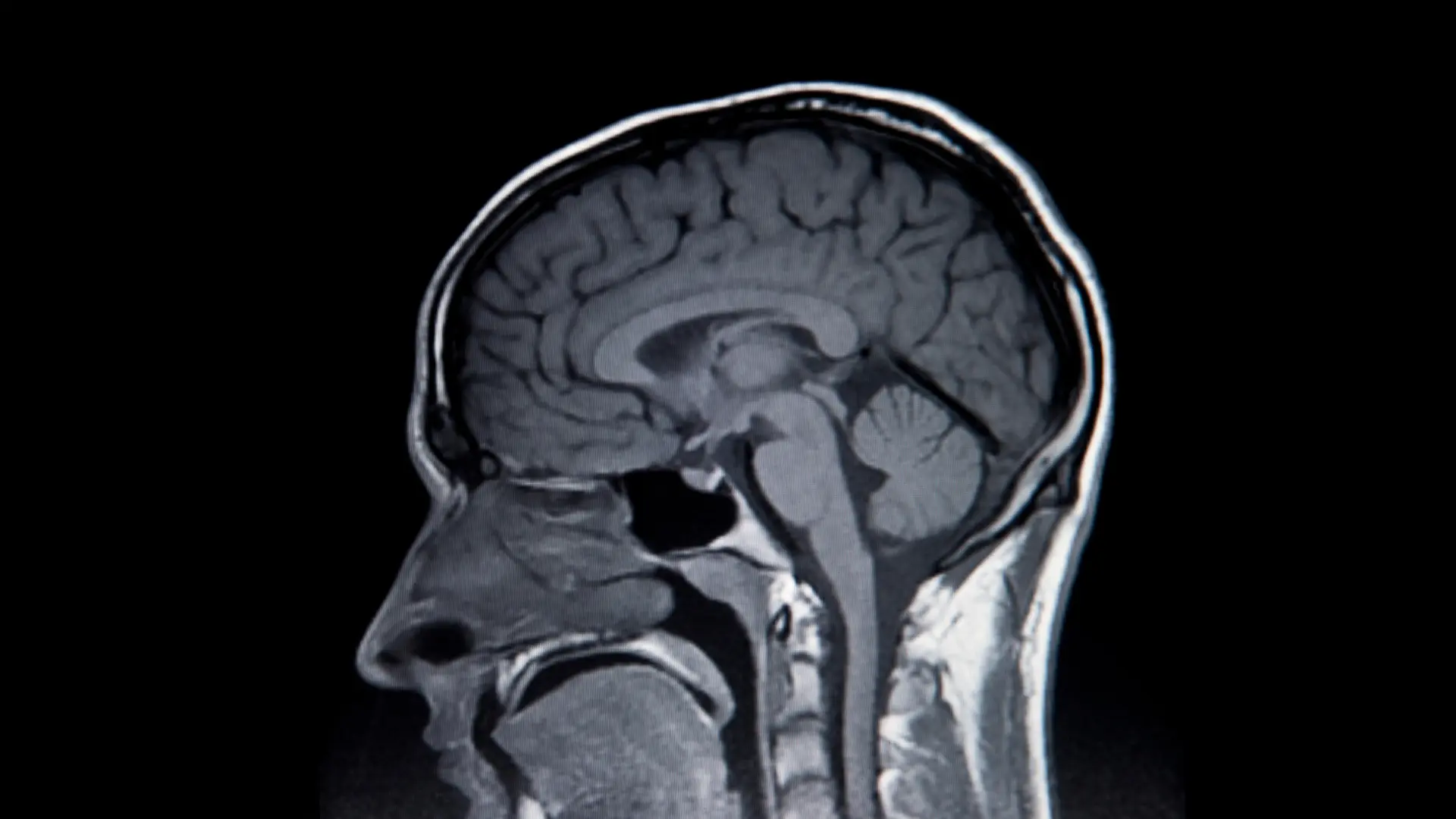
Dementia Treatment in New York
Our New York dementia specialists review each case together, looking for treatable causes and reserving surgery only for specific findings.
What is dementia ?
Dementia is not a single disease but rather an umbrella term for a decline in memory and cognitive function. Most forms of dementia are degenerative and managed by specialists in neurology. However, there are a few treatable conditions that can resemble dementia. Differentiating between these conditions is the most crucial step.
This distinction is important because conditions that mimic dementia, such as fluid accumulation, a slow brain bleed, or a tumor, can often be treated, and in some cases, the decline can be reversed. Accurate diagnosis is essential to determine whether treatment can be effective.
See how it is treated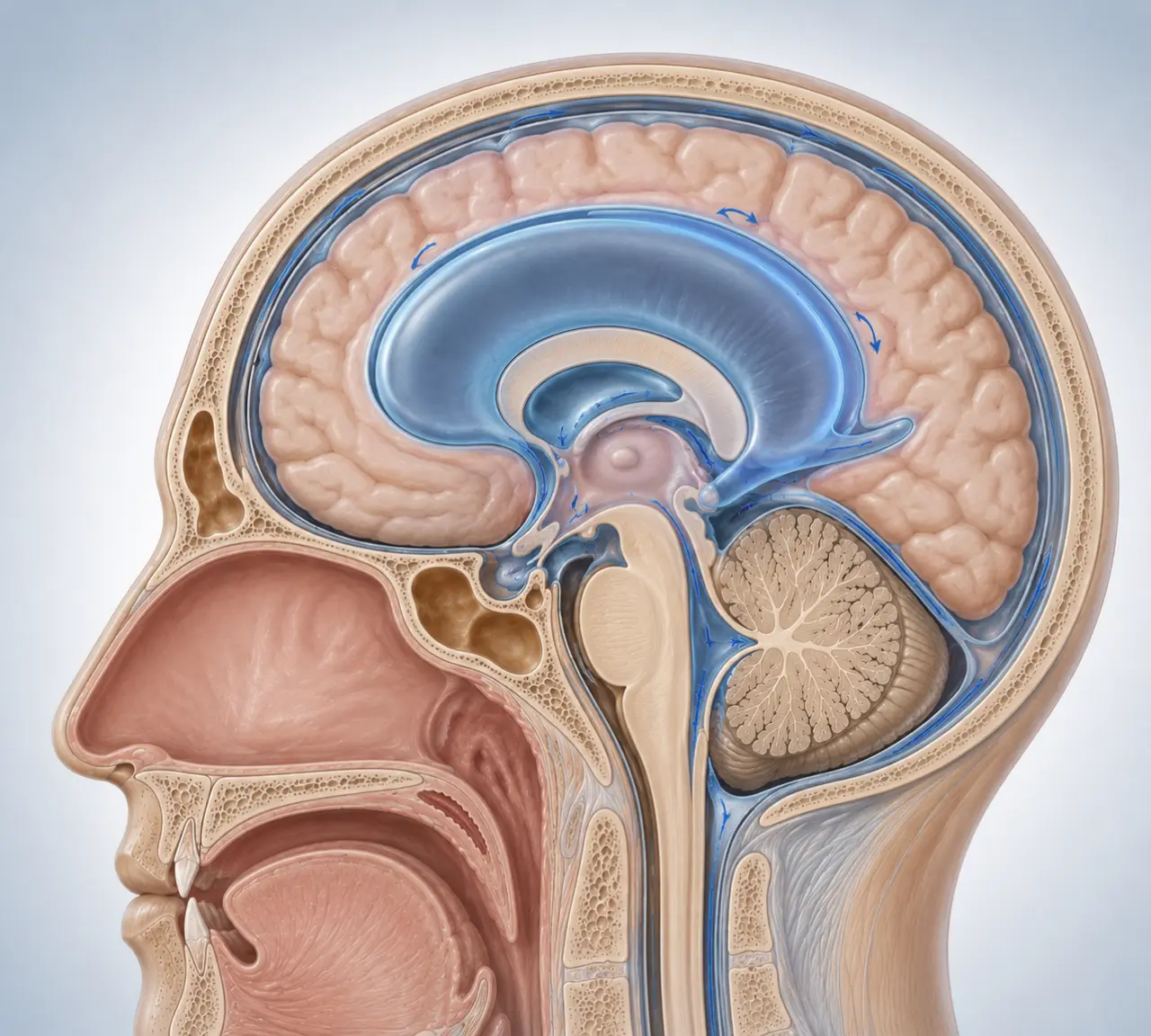
Dementia symptoms
Dementia tends to follow patterns, and some of those patterns point to a treatable cause. Family members often notice them before anyone else.

Memory change with an unsteady walk and bladder urgency
Memory changes, along with an unsteady, shuffling walk and bladder urgency, are the pattern most likely to be treatable.

Confusion or personality change over weeks
Confusion or a change in personality can develop over weeks, especially in the weeks following a fall or head injury.

Slowed thinking with headache, vomiting, or a first seizure
Slowed thinking with headache, vomiting, or a first seizure may point to a structural brain problem.

Gradual decline over years, without those features
Memory, language, judgment, and familiar daily tasks may gradually decline over the years without any headache or vomiting.
What causes dementia ?
Dementia has many causes. Some are degenerative and managed by neurology; several others are treatable, which is why we sort through them carefully.
Book an Appointment →-
01
Alzheimer's and other degenerative dementias
The most common causes are degenerative and managed by neurology rather than surgery.
-
02
Normal pressure hydrocephalus
A fluid build-up that can cause memory, walking, and bladder symptoms, many of which may improve with treatment.
-
03
Chronic subdural hematoma
A slow bleed on the surface of the brain, often weeks after a fall so minor you may not remember it.
-
04
Other treatable causes
A brain tumor, thyroid disease, vitamin B12 deficiency, medication effects, depression, or sleep apnea may affect thinking.
-
05
Decline after earlier treatment
Decline after brain surgery, radiation, or with an existing shunt calls for focused evaluation.

How is dementia diagnosed?
History and a cognitive exam
We gather a detailed history from you and your family, followed by assessments of memory, cognition, balance, and walking.
Imaging to find treatable causes
An MRI or CT looks for a fluid build-up, a slow bleed, or a tumor. Imaging here focuses on finding treatable causes, not just confirming dementia.
Structural findings reviewed together
Our neurosurgeons and neurology partners review the case together, because whether a cause is surgical or degenerative determines who leads your care.
Your care plan explained
You will leave with clarity on whether a treatable cause was identified, who will oversee your care, and what the next steps will be.
Dementia treatment, from conservative care to surgery
Most dementia care is medical and evidence-based, not surgical. Surgery is considered only when testing finds a structural cause that an operation can address.
Assessment and medical care
The cause directs each referral
- Assessment for treatable causes, including medication, sleep, mood, and medical conditions.
- Brain imaging and blood tests for thyroid function and vitamin B12.
- Neurology referral for cognitive testing, medication management, and ongoing condition care.
- Trial lumbar drainage when walking, memory, and bladder changes suggest normal pressure hydrocephalus.
Surgery, for a treatable structural cause
Only when a specific, correctable problem is found
- Shunt placement for confirmed normal pressure hydrocephalus or endoscopic diversion for selected obstruction.
- Drainage of a chronic subdural hematoma pressing on the brain.
- Removal of a tumor responsible for cognitive or pressure symptoms.
- Shunt revision when an existing shunt becomes blocked, infected, disconnected, or stops working.

When it cannot wait: a sudden change in memory or alertness, increasing drowsiness or confusion over hours to days, confusion after a head injury, a first seizure, or memory change with a worsening headache and vomiting. Call 911 or go to the nearest emergency department now.
Doctors who treat Dementia in New York
Our memory loss specialists are neurosurgeons working alongside a neurology team, reviewing each case together, across the New York metro area.