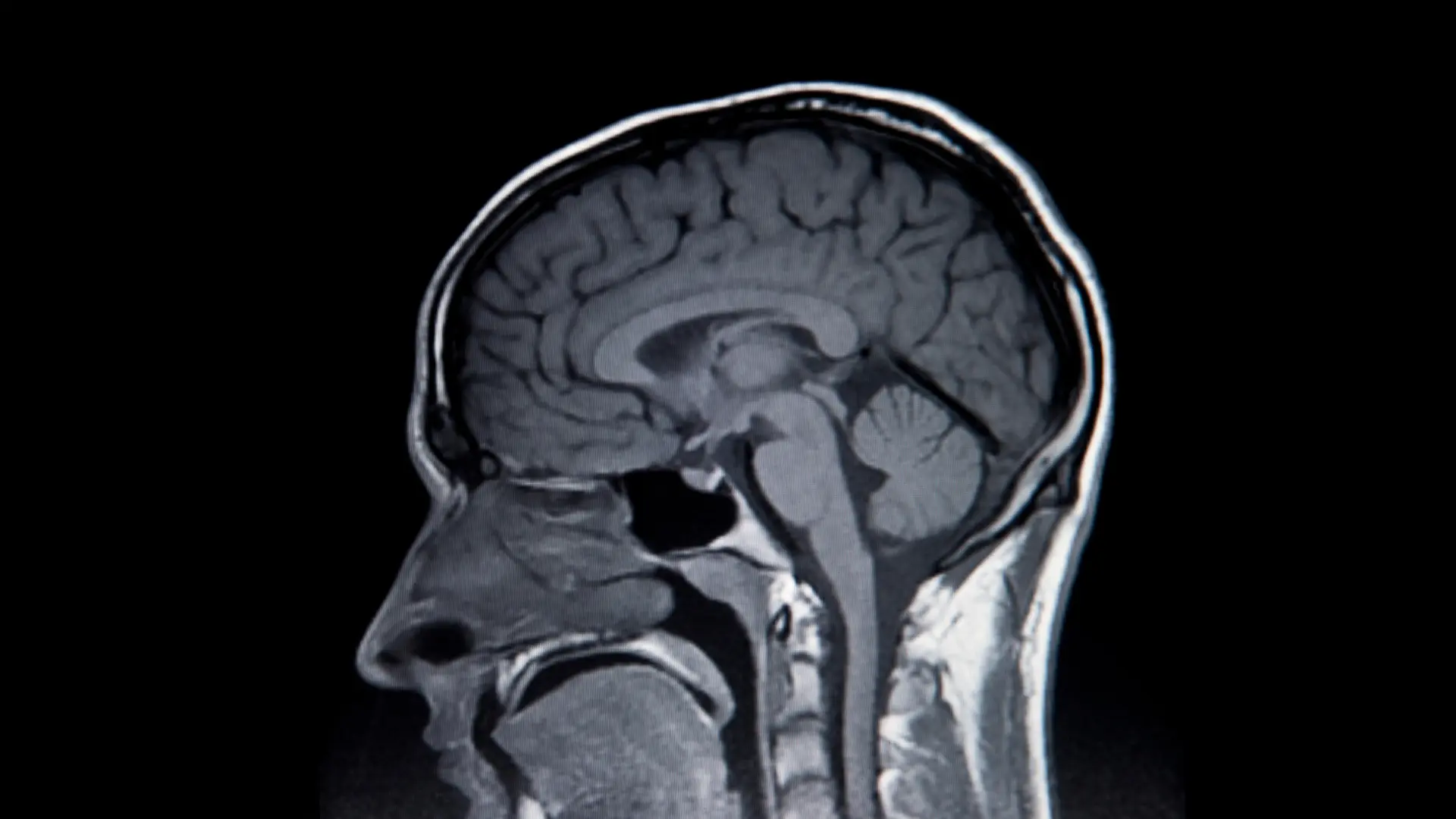
Memory Loss & Impairment Treatment in New York
Our New York memory loss specialists review your case as one team, focused on finding the causes of memory change that can be treated.
What is memory loss ?
Most memory change is not surgical, and much of it is managed by neurology. But specific causes can be treated, and they are missed often enough to be worth looking for. Memory depends on structures deep in the brain and on the fluid and pressure around them.
A slow build-up of fluid, a collection of blood, or a mass can slow thinking without ever causing a headache. Finding those and telling them apart from ordinary aging is what makes memory loss treatment work.
See how it is treated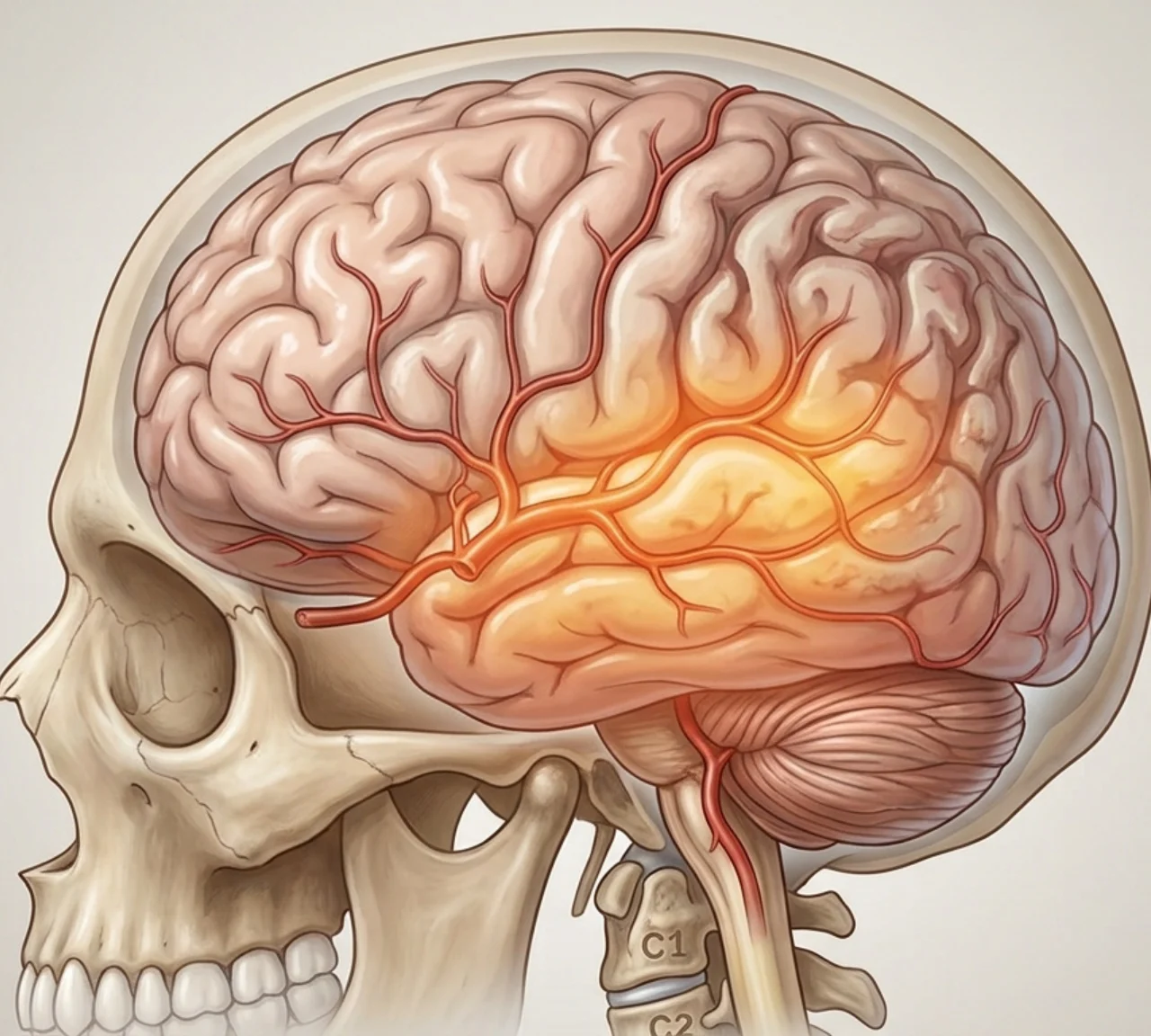
Memory loss symptoms
Memory change shows up in a few patterns, and the pattern is the clue. These are the ones we look at most closely.

Memory change with an unsteady walk
Memory change alongside a slow, shuffling, unsteady walk and a new urgency to reach the bathroom is the pattern that can mean normal pressure hydrocephalus.

Confusion building after a fall
Confusion or a change in personality developing over weeks, especially after a fall, which can mean a slow collection of blood on the brain.

Slowed thinking with headache or a seizure
Slowed thinking with headache, vomiting, or a first seizure needs prompt evaluation, since it can point to raised pressure or a mass.

Gradual decline over years
A steady decline over years, forgetting recent conversations, misplacing items, losing words, or getting lost in familiar places, often noticed first by family.
What causes memory problems ?
Memory problems have many causes, from ordinary aging to conditions that can be reversed. Because catching a treatable cause early matters most, we look for those first rather than assuming the worst.
Book an Appointment →-
01
Alzheimer's and other dementias
Alzheimer's disease and related degenerative dementias, the most common causes, managed mainly by neurology.
-
02
Normal pressure hydrocephalus
Fluid building up in the brain, where memory, walking, and bladder symptoms appear together, and treatment can improve them.
-
03
A slow collection of blood
A chronic subdural hematoma, often weeks after a minor fall, particularly in people taking blood thinners.
-
04
Other treatable causes
A brain tumor, thyroid disease, low vitamin B12, medication effects, depression, or sleep apnea, all of which can be treated.
-
05
Change after previous brain surgery or a shunt
Memory change after earlier brain surgery or radiation, or in someone with an existing shunt, which needs a dedicated review.

How is memory loss diagnosed?
Thorough examination
We take a careful history from you and your family, then examine memory, walking, and reflexes for clues to the cause.
Imaging, with a clear purpose
Imaging here is not about confirming a dementia diagnosis; it is about finding the treatable causes, and we say plainly which of those we are looking for and why.
Team review
A neurosurgeon reviews the imaging alongside neurology, so a treatable structural cause is not mistaken for ordinary aging.
The plan, explained in plain language
You leave with a clear read on whether a treatable cause is present, and a plan you and your family understand.
Memory loss treatment, from conservative care to surgery
Most memory loss is not treated with surgery. Our job is to find the cause, treat what can be reversed, and reserve surgery for the specific structural cases.
Non-surgical care
Where memory care starts
- Assessment to identify a treatable cause, with brain imaging when the exam calls for it.
- Blood tests for thyroid function and vitamin B12, plus a review of medications and sleep.
- Referral to neurology for cognitive assessment and long-term management.
- A trial of lumbar drainage when normal pressure hydrocephalus is suspected.
Surgery for the specific structural causes
When a treatable structure is found
- Shunt placement or endoscopic diversion for confirmed normal pressure hydrocephalus.
- Drainage of a collection of blood for a chronic subdural hematoma.
- Removal of a tumor that is causing the symptoms.
- Shunt revision when an existing shunt has stopped working.

When it cannot wait: a sudden change in memory or alertness, increasing drowsiness or confusion over hours to days, confusion after a head injury, a first seizure, or memory change with a worsening headache and vomiting. Call 911 or go to the nearest emergency department now.
Doctors who treat Memory Loss & Impairment in New York
Our memory problems doctors are neurosurgeons who work closely with neurology, with academic-level training, caring for patients across the New York metro area.