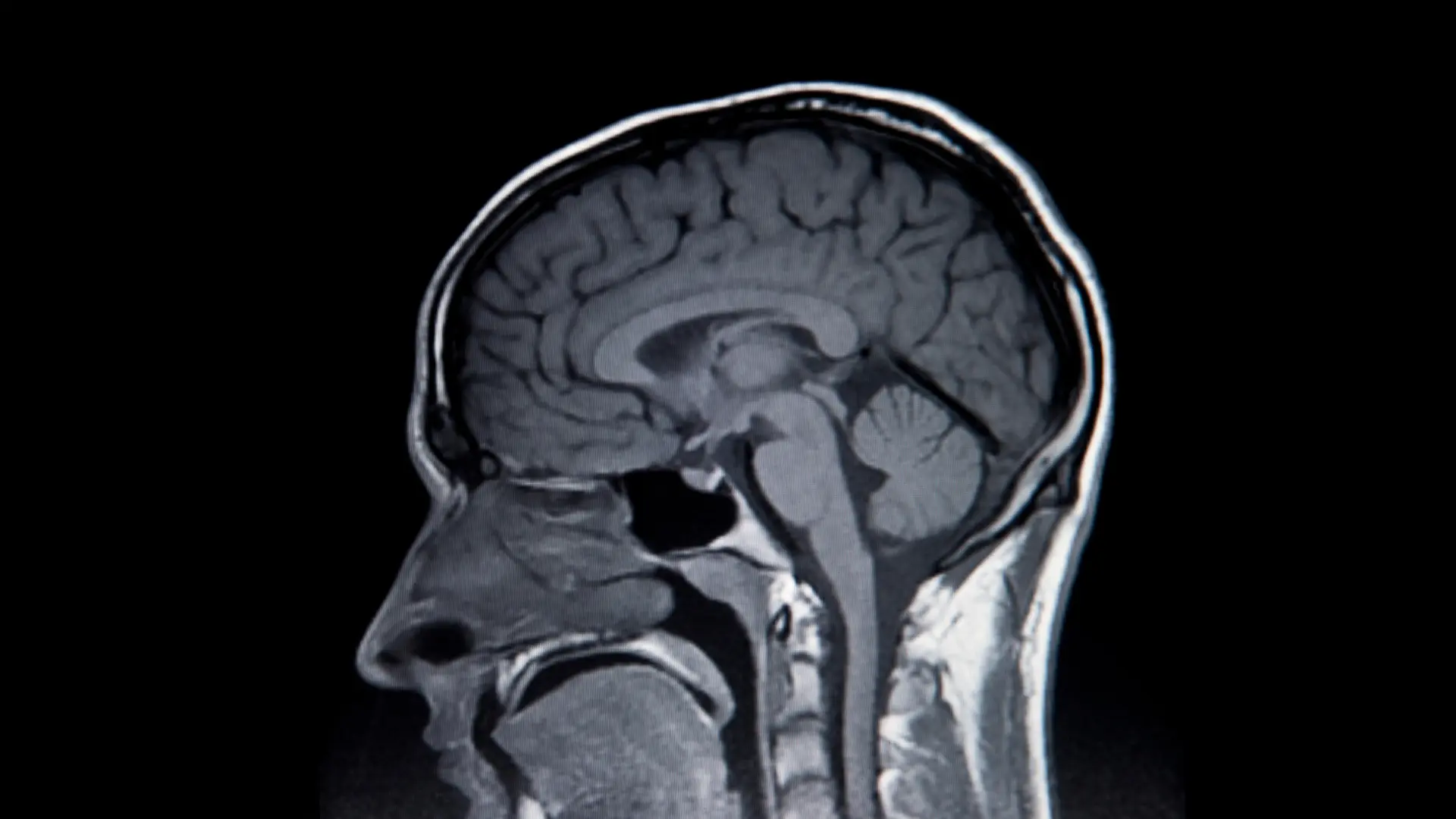
Headache & Migraine Treatment in New York
Our New York headache doctors review your case as one team, first to rule out a serious cause, then to bring the pain under control.
What is a headache ?
Most head pain is not caused by anything structurally wrong inside the head, and a specialist’s job is as much to confirm that as to relieve the pain. The ache comes from the sensitive structures around the brain, the blood vessels, the coverings, and the nerves of the head and neck. The brain itself has no pain fibers.
That is why two people with the same scan can have very different symptoms, and why the pattern of your pain matters more than any single image. Reading that pattern correctly is what makes treatment effective.
See how it is treated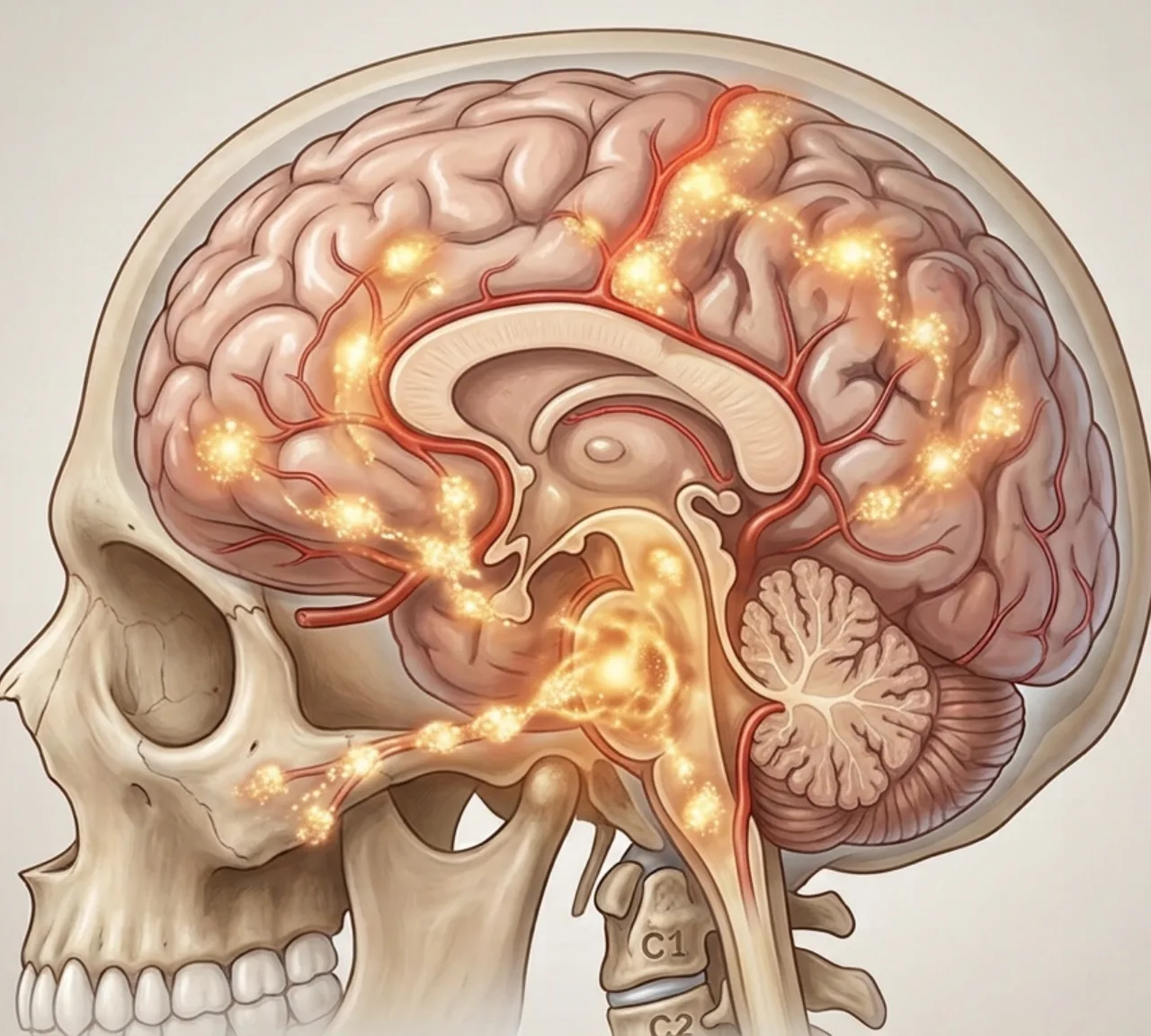
Headache symptoms
The kind of head pain you have depends on its pattern: where it is located, how it builds, and what comes with it.

Throbbing on one side, with nausea
Throbbing pain on one side, with nausea, sensitivity to light and sound, sometimes a visual aura first, and a need to lie down in the dark.

A tight band of pressure
A steady, tight band of pressure around the head, usually on both sides, without the nausea or aura of a migraine.

Pain rising from the neck
Pain that starts in the neck or the base of the skull and spreads upward, pointing to a source in the cervical spine.

A headache unlike your usual ones
Pain that is new or changing, climbing in frequency or severity, worse on waking, or with weakness, vision change, or fever needs prompt evaluation.
What causes headaches ?
The great majority are a condition in themselves, not a sign of disease. We recognize the pattern, treat it, and make sure the uncommon structural cause is not overlooked.
Book an Appointment →-
01
Primary headache disorders
Migraine and tension-type headache, which make up the great majority and are not caused by structural disease.
-
02
A cervical spine source
Trouble in the neck and upper cervical spine that refers pain up into the head, known as cervicogenic pain.
-
03
Medication overuse
Reaching for acute pain relief too often can, over time, keep the pain going rather than settle it.
-
04
Abnormal fluid pressure
Raised or lowered spinal fluid pressure, each with a telltale positional pattern, including idiopathic intracranial hypertension and a fluid leak.
-
05
A structural cause
A tumor, Chiari malformation, aneurysm, or hydrocephalus, uncommon, but exactly what a neurosurgical assessment is placed to find or rule out.

How is a headache diagnosed?
An in-depth examination
We start by mapping how your pain behaves, then examine you for anything that pattern flags.
Imaging, only when necessary
Most headaches do not need a scan, and we will tell you when yours does not, because a normal scan in a typical migraine changes nothing and an unnecessary one often finds something incidental that causes worry without meaning.
Two specialties working on one case
A neurosurgeon and an orthopedic spine surgeon look together, one for a structural cause, one for a cervical source, alongside neurology.
A plan you can follow
You leave with a named pattern, a clear reason for or against a scan, and a treatment plan in plain language.
Headache treatment, from conservative care to surgery
Nearly all headaches are managed with medicine and daily habits, often alongside neurology. Surgery has a role only for specific structural causes, never for migraine itself.
Conservative care
The starting point for almost every case
- Finding the pattern and ruling out a structural cause before any treatment begins.
- Treating migraine and tension-type headache in step with neurology, from acute relief to prevention.
- Unwinding medication-overuse headache, where the remedy has become the trigger.
- Treating a cervical spine source, or managing raised or low fluid pressure, when one is found.
Surgery, only for a structural cause
Directed at the problem, not the migraine
- Removal of a tumor that is generating the headache.
- Decompression for a Chiari malformation pressing at the base of the skull.
- Diverting fluid in hydrocephalus, or repairing a spinal fluid leak.
- Treating an aneurysm found during the workup.

When it cannot wait: severe headache that peaks within seconds, like the worst of your life. Also get emergency care for a headache with fever, a stiff neck, or confusion; one with new weakness, numbness, or vision loss; one after a head injury; or one that wakes you from sleep and is worse lying down. Call 911 or go to the nearest emergency department now.
Doctors who treat Headache & Migraine in New York
Our neurosurgeons and orthopedic spine surgeons work with a migraine specialist and with neurology, with academic-level training, caring for patients across the New York metro area.