Dizziness & Vertigo Treatment in New York
Our New York vertigo specialists review your case together, first sorting spinning from unsteadiness, then starting with the least invasive care.
What is vertigo ?
Dizziness and vertigo are not the same thing, and for patients, telling them apart points to entirely different causes. True vertigo, the sense that the room is spinning, almost always comes from the balance organ in the inner ear or its nerve. Unsteadiness, the feeling that you cannot trust your footing, is something else.
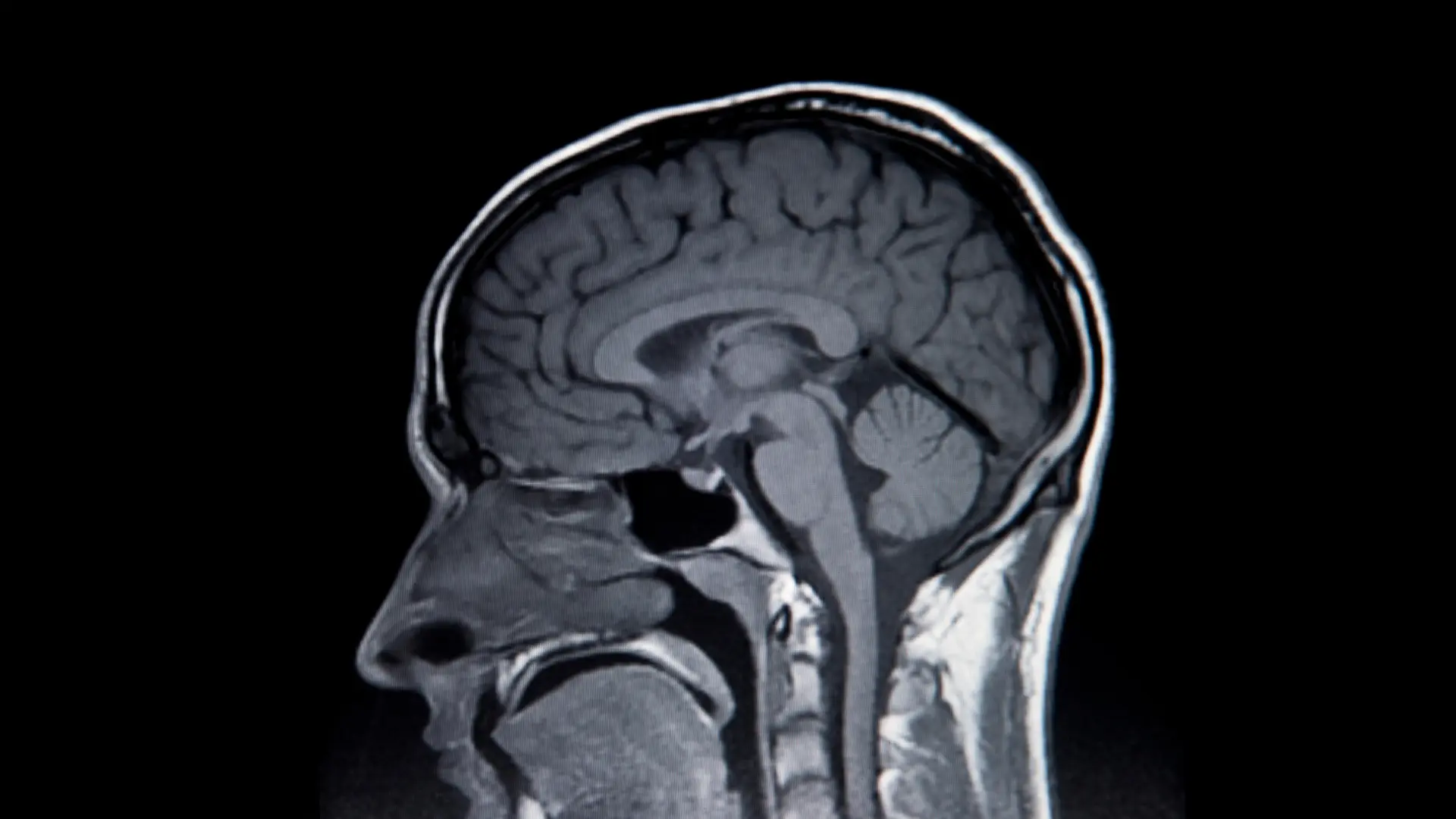
That second kind more often traces to the spinal cord, the brainstem, or the cerebellum, which is where our work begins. Getting the distinction right is what makes treatment effective, and it is the first thing we sort out.
See how it is treated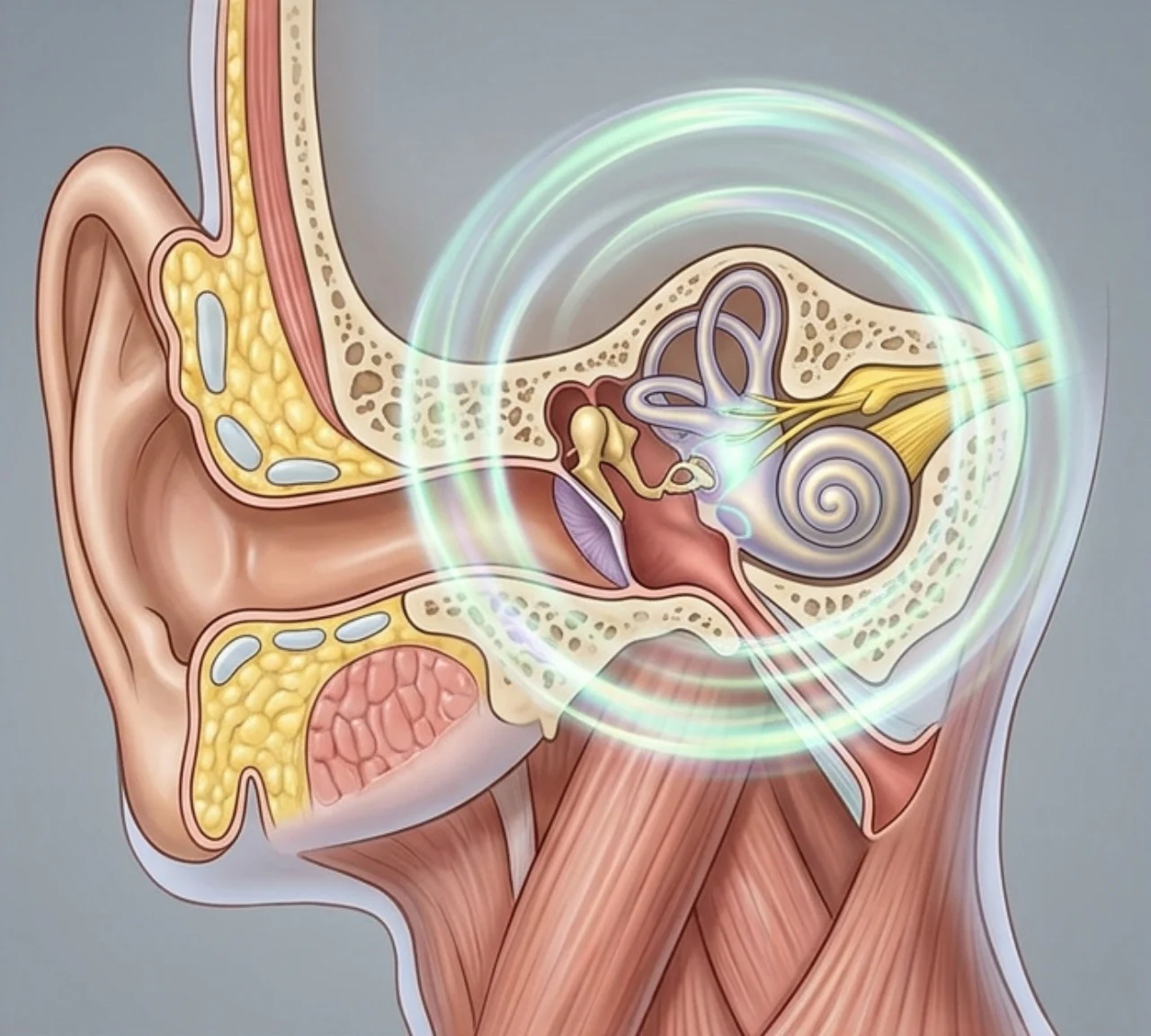
Dizziness and Vertigo symptoms
The first thing we look for is the pattern: a spinning sensation and a loss of steady footing point to very different causes.

Spinning set off by head movement
A spinning sensation triggered by turning your head or rolling over in bed, lasting seconds to minutes, which points to the inner ear.

Unsteadiness worse in the dark
Feeling unsafe on your feet, worse in the dark or on uneven ground, which points to the spinal cord or cerebellum.

Hearing loss or ringing in one ear
Hearing loss or ringing in one ear alongside the imbalance, which points to the hearing and balance nerve.

Imbalance with clumsy hands or double vision
Unsteadiness with clumsy hands, new weakness, or double vision requires prompt evaluation, as it can suggest involvement of the brainstem or cord.
What causes dizziness ?
Balance depends on the inner ear, the eyes, and the nerves that sense position all agreeing with each other. Most dizziness is an inner ear matter; a few causes are neurological, and those are ours.
Book an Appointment →-
01
Inner ear conditions
Benign positional vertigo, vestibular neuritis, and Meniere's disease, the most common causes overall, which belong to ENT.
-
02
A tumor on the balance nerve
An acoustic neuroma or similar growth on the hearing and balance nerve, producing unsteadiness with one-sided hearing loss.
-
03
Cervical cord compression
Pressure on the spinal cord in the neck, where lost position sense produces unsteadiness rather than spinning.
-
04
Chiari, basilar invagination, or a cerebellar lesion
A Chiari malformation, an upward-pressing basilar invagination, or a problem in the cerebellum, each affecting balance at the skull base.
-
05
Other and post-surgical causes
Medication effects, low blood pressure, or unsteadiness after previous cervical or skull base surgery, which needs a specific examination.

How is dizziness and vertigo diagnosed?
A thorough examination
We first separate spinning from unsteadiness, then check hearing, eye movements, and balance for the pattern that names the cause.
Imaging, only needed
An MRI is not the first test for most dizziness, and we will say when the right first step is an ENT assessment or a bedside positional test instead.
Two specialties on one case
A neurosurgeon and an orthopedic spine surgeon review the case together, one for the skull base and nerves, one for the cervical cord, alongside ENT and neurology.
A care plan you can follow
By the end of the visit, you know where your dizziness is coming from, the inner ear or the nervous system, and who should treat it next.
Vertigo treatment, from conservative care to surgery
Most dizziness is treated by ENT or settles on its own. Surgery helps only with a specific structural cause, and never with inner ear vertigo.
Conservative and medical care
The path for nearly every case
- Sorting true vertigo from unsteadiness, which points to the right specialist from the start.
- ENT and audiology referral when the inner ear is the likely source.
- Vestibular rehabilitation therapy, effective for many causes of imbalance.
- A review of your medications and blood pressure, with imaging only when a structural cause is suspected.
Surgery, only for a structural cause
Never for inner ear vertigo
- Removal or radiosurgery for an acoustic neuroma affecting balance.
- Decompression for cervical cord compression in the neck.
- Decompression for a Chiari malformation at the skull base.
- No operation for inner ear vertigo, which is managed medically or with rehabilitation.

When it cannot wait: sudden severe unsteadiness with a headache, double vision, slurred speech, facial weakness, or weakness down one side can signal a stroke, so call 911 now. Sudden hearing loss with severe imbalance also needs emergency care right away.
Doctors who treat Dizziness & Vertigo in New York
Our neurosurgeons and orthopedic spine surgeons work alongside ENT and neurology, with academic-level training, caring for patients across the New York metro area.