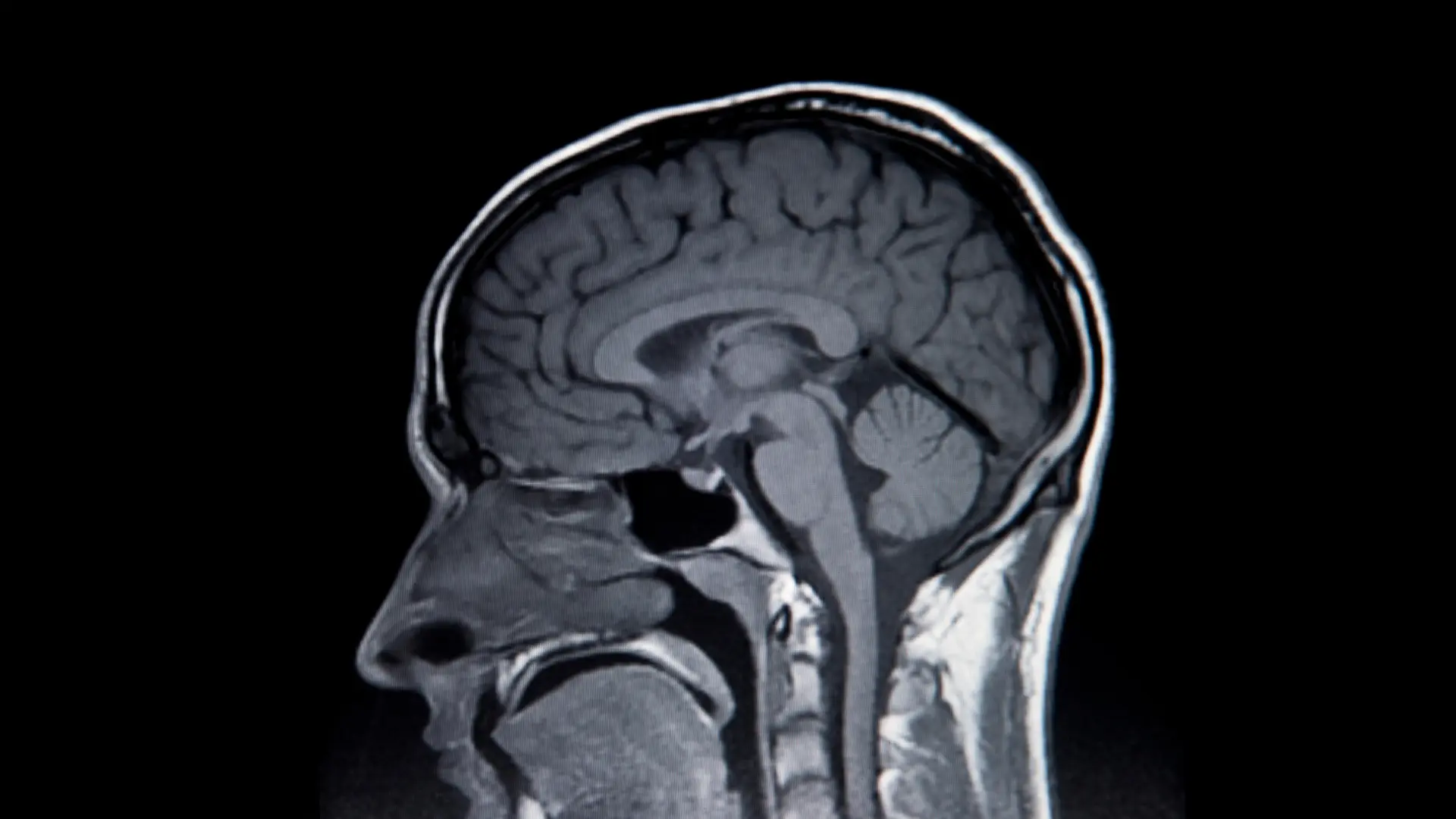
Seizure Treatment in New York
Our New York Seizure doctors review each episode with neurology, focusing on medical care, structural causes, and surgery when warranted.
What is a seizure ?
A seizure is an electrical event in the brain, not a diagnosis on its own. After the first episode, the main question is whether it was triggered by an illness or a metabolic change, part of epilepsy, or started near a structural lesion.
Brain cells usually fire in organized patterns. During a seizure, synchronized electrical activity disrupts one area or spreads to nearby tissue. Symptoms vary based on where the seizure starts, so episodes can appear very different. Accurate diagnosis is essential for effective seizure treatment.
See how it is treated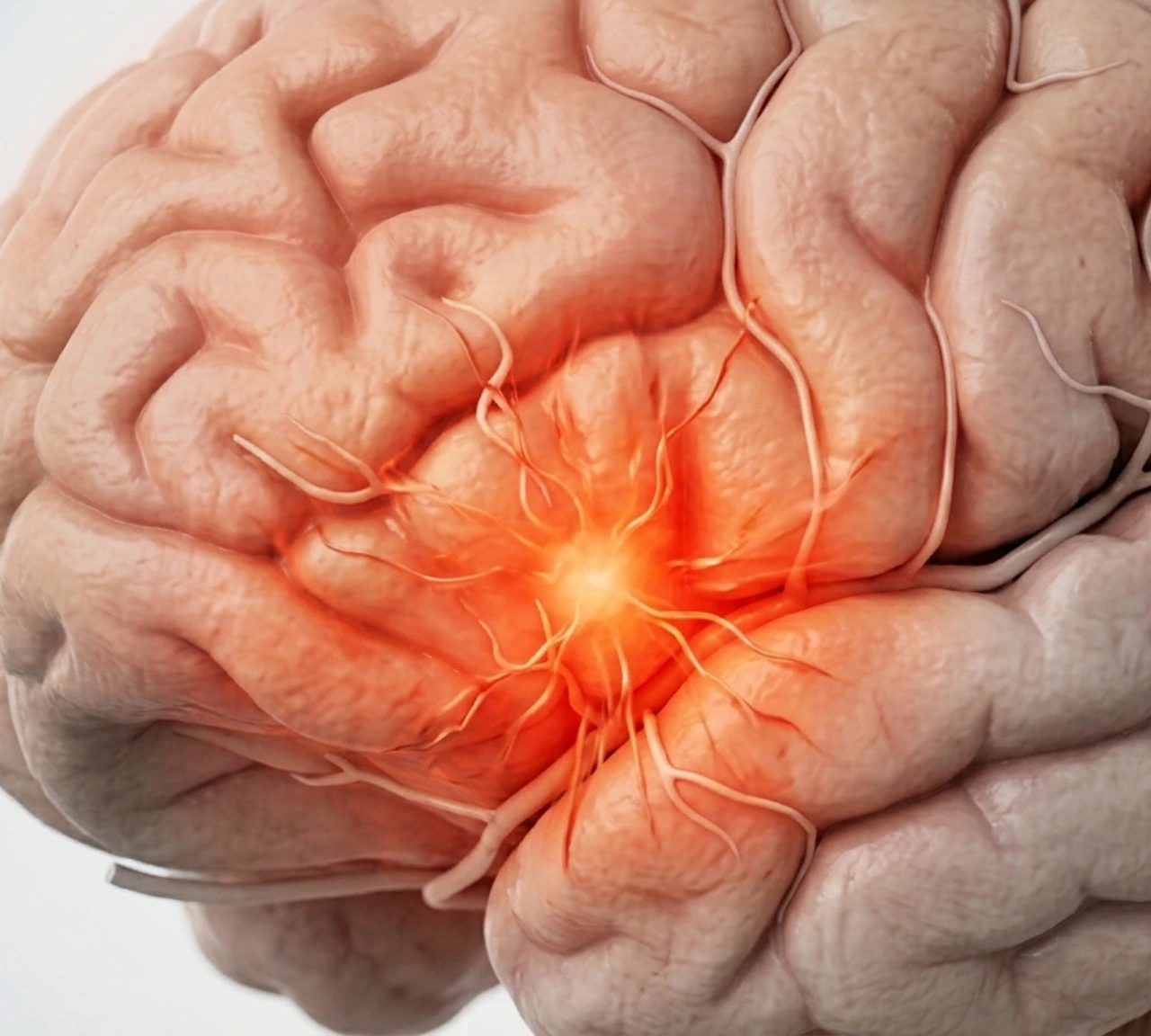
Seizure symptoms
What an episode looks like depends on where in the brain it starts, so symptoms can vary widely. These four cover the common presentations.

Loss of awareness or staring
A blank stare, unresponsiveness, or a lapse in awareness lasting from a few seconds to a couple of minutes.

Stiffening and jerking
The body stiffens, and the limbs jerk rhythmically, sometimes with tongue biting or a loss of bladder control.

A warning sensation beforehand
An unusual smell, taste, rising stomach feeling, fear, or sense of familiarity may come first.

Confusion or weakness afterwards
Afterwards, you may experience confusion, deep tiredness, or weakness on one side. Report these symptoms even after you recover.
What causes a seizure ?
About half the time, we don't identify a structural cause. When we do find one, it alters our approach, so we make sure to examine thoroughly.
Book an Appointment →-
01
No structural cause
In a large share of cases, nothing structural turns up, so we manage the epilepsy with medication.
-
02
A structural lesion
This practice treats cases involving a tumor, cavernous malformation, vessel malformation, or an old injury or stroke scar.
-
03
Injury, infection, or bleeding
A head injury, an infection, or bleeding around the brain can each trigger one.
-
04
A metabolic trigger
Low blood sugar, low sodium, or alcohol withdrawal can trigger seizures, which are treated by correcting the underlying problem rather than the brain.
-
05
When medication is not enough
Surgery is discussed and reviewed when episodes continue despite two or more suitable medications.

How is a seizure diagnosed?
Your account and a witness's account, too
Since you may not recall the event, we depend heavily on the witness's account, as well as your history, triggers, and medications.
Brain imaging and EEG
An MRI shows the structural cause, while an EEG describes the seizure. We clarify what each test answers instead of just listing them by reflex.
Reviewed with neurology
A neurosurgeon and an orthopaedic spine surgeon review the case together, while always staying in step with the neurology team that leads the medical care.
Treatment sequence explained
You leave knowing whether medication, monitoring, or surgery comes first, and who is leading each part of your care.
Seizure treatment, from conservative care to surgery
Care is neurology-led and centered on medication. Surgery enters only when a structural cause is clear or medication has failed to control focal seizures.
Medical care and monitoring
Where nearly every seizure plan starts
- Medication for epilepsy when no structural cause is found.
- Correcting a metabolic trigger such as low blood sugar, low sodium, or alcohol withdrawal.
- EEG and MRI follow-up to watch for a structural lesion or changing pattern.
- Shared care with neurology for long-term seizure control and driving, work, and safety advice.
Surgery, when there is a clear target
Planned with neurology around your goals
- Removal of a tumor, cavernous malformation, or scar that is causing the episodes.
- Surgery when focal seizures continue despite two or more suitable medications.
- Joint planning by neurosurgery and neurology, never in isolation.
- Follow-up imaging and EEG after treatment to confirm control.

When it cannot wait: a first seizure, one lasting more than five minutes, repeated episodes without recovery, head injury, fever with a stiff neck, breathing difficulty, pregnancy, or failure to wake afterwards. Call 911 or go to the nearest emergency department now.
Doctors who treat Seizures in New York
Seizure surgeons in the New York metro area are trained neurosurgeons and orthopaedic spine surgeons who collaborate with the neurology team to review each case.