Syncope Treatment in New York
Our New York Syncope specialist team evaluates each episode and refers cardiac, neurologic, or rare structural causes to the right care.
What is syncope ?
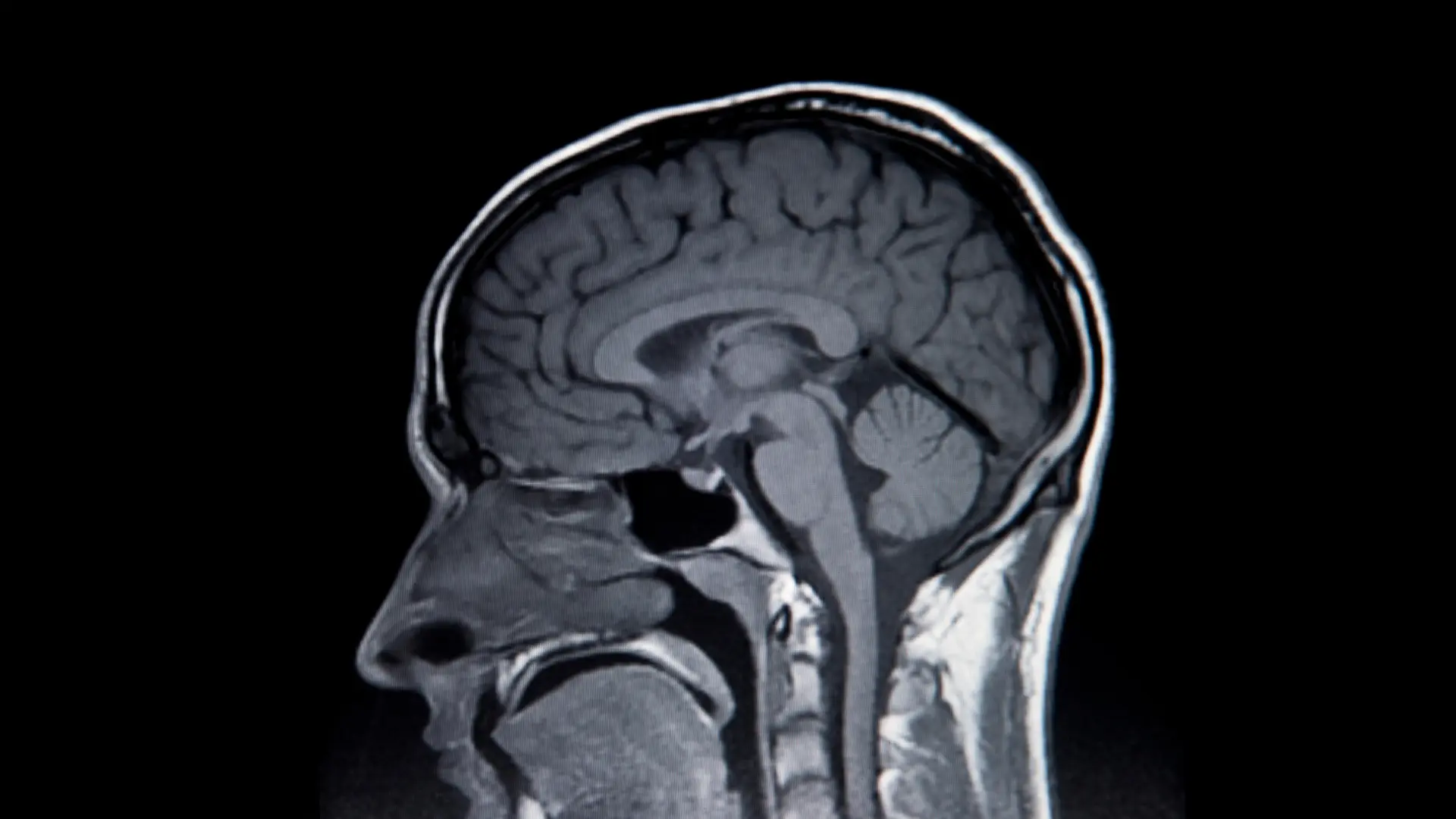
Syncope refers to a brief loss of consciousness due to reduced blood flow to the brain. Fainting is typically a circulation issue rather than a brain problem. Only rare cases indicate a structural issue that might need neurosurgical evaluation.
Consciousness depends on a steady blood flow. A drop in blood pressure disrupts this supply, which is why most people regain consciousness quickly after lying flat. However, a different pattern may need evaluation of the heart, brain, or specific structures. An accurate diagnosis is crucial for effective treatment of syncope.
See how it is treated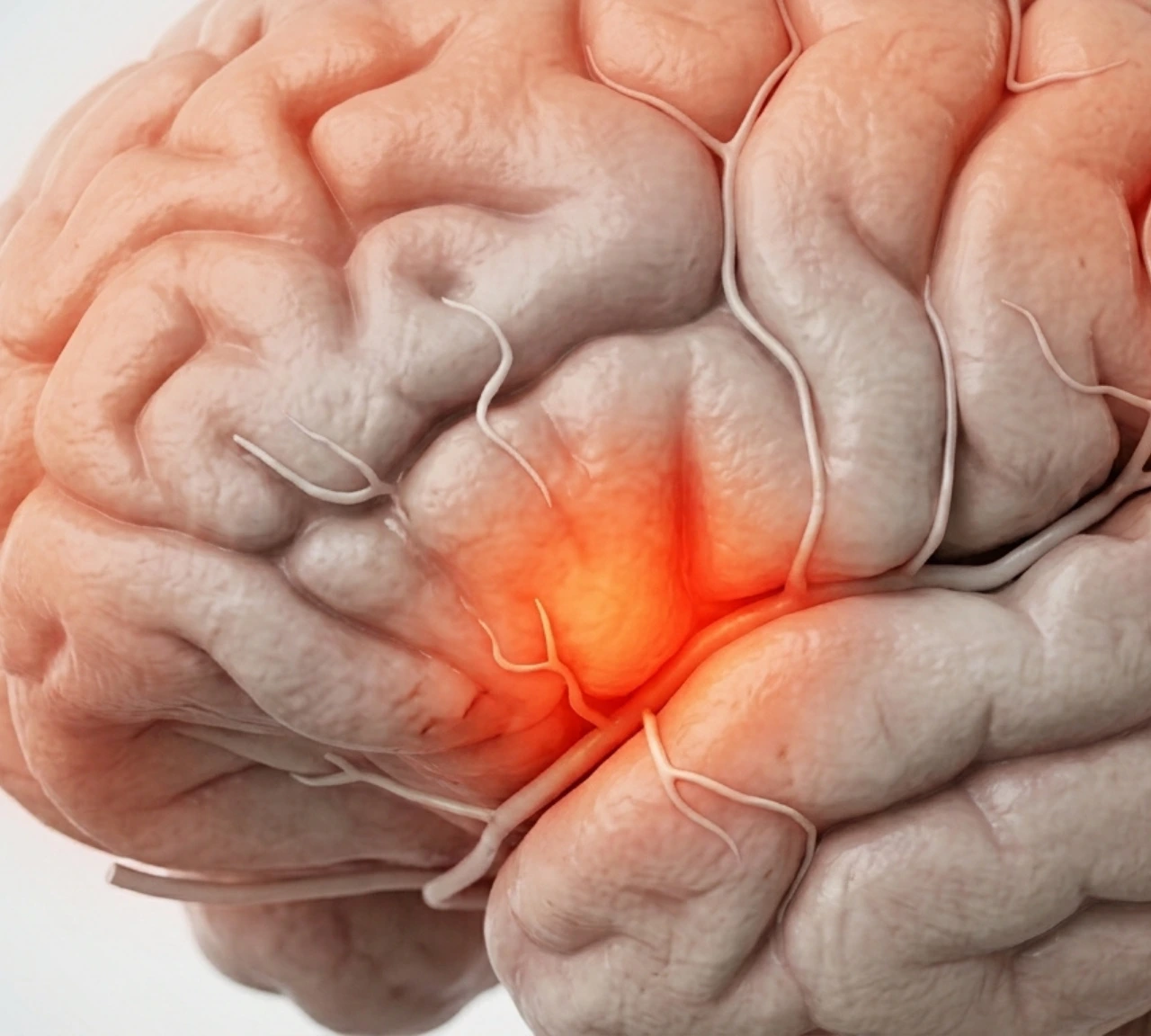
Syncope symptoms
Fainting episodes typically exhibit a recognizable pattern, which often indicates whether they are harmless. Here are four patterns to note.

Warning before you faint
Lightheadedness, sweating, nausea, warmth, or tunnel vision may arrive seconds before consciousness fades.

Rapid recovery once you are lying flat
Coming round quickly and fully once you lie down, usually within a minute, is typical of an ordinary faint.

Fainting with a clear trigger
Passing out brought on by standing up, heat, pain, or the sight of blood points to a common, usually harmless type of fainting.

Fainting with no warning at all
Fainting out of nowhere, during exertion, or when you turn your head should be evaluated promptly.
What causes fainting ?
Fainting can be categorized into several distinct types, and differentiating between them is crucial. Here are the primary types.
Book an Appointment →-
01
A brief drop in blood pressure
This is vasovagal syncope, and it accounts for the great majority of fainting episodes people experience.
-
02
Pressure falling as you stand
Blood pressure drops when you stand, often because of medication or dehydration, causing you to feel faint.
-
03
Heart-related causes
Rhythm and structural heart problems are potentially serious conditions and should be referred to cardiology.
-
04
A seizure in disguise
A seizure can look like a faint, yet it is distinct from fainting and requires different treatment.
-
05
Head position-related compression
Only rarely does a neurosurgical assessment address structural problems at the craniocervical junction, where head position affects blood flow.

How is syncope diagnosed?
Episode history and vital signs
We go through exactly what happened before, during, and after, along with your medications, your heart history, and any family history.
Testing matched to the pattern
Blood pressure lying and standing, plus a heart tracing, come first. Brain imaging is rarely what explains fainting, so we do not order it by default and will tell you when the right investigation is a cardiac one instead.
A joint review, and the honest referral
A neurosurgeon and an orthopaedic spine surgeon review the case together, and just as often the right next step is a referral to cardiology or neurology.
Your treatment plan, made clear
You leave knowing which specialty should lead, what test comes next, and whether any of this is ours to treat at all.
Syncope treatment, from conservative care to surgery
Syncope is not classified as a surgical condition. Its evaluation and management are primarily handled by cardiology and neurology specialists.
Assessment, and the right specialty partners
Where fainting is evaluated and treated
- Episode review for triggers, warning signs, recovery, injuries, and falls.
- Cardiology referral for heart rhythm, structure, medication, and hydration review.
- Neurology assessment when shaking, prolonged confusion, or tongue injury suggests seizure.
- Craniocervical imaging only when head turning reliably triggers symptoms.
Surgery, and why it rarely applies
Ordinary fainting has no spine operation
- No neurosurgery for vasovagal or orthostatic fainting.
- Cardiology handles cardiac procedures when indicated.
- Structural review requires reproducible symptoms with head turning and focused imaging.
- A confirmed craniocervical cause, not syncope, determines if you need decompression or stabilization.

When it cannot wait: fainting with no warning, fainting during exercise, fainting with chest pain or palpitations, fainting that causes a head injury, or fainting followed by confusion or weakness. Call 911 or go to the nearest emergency department straightaway.
Doctors who treat Syncope in New York
Our syncope doctors are neurosurgeons and orthopaedic spine surgeons across the New York metro area who review each case with cardiology and neurology.