Lordosis Treatment in New York
Our New York lordosis doctors review your case as one team, starting with the least invasive care and turning to surgery only when it is needed.
What is lordosis ?
Your spine is built with natural curves. The inward curve of the lower back is lumbar lordosis, and the neck has a gentler one called cervical lordosis. These curves are healthy. Lordosis becomes a problem only when the curve is too deep or too flat.
That inward curve holds your head balanced over your pelvis with little effort. Lose it or overdo it, and your muscles strain all day to keep you upright. Measuring the curve accurately is what makes treatment effective.
See how it is treated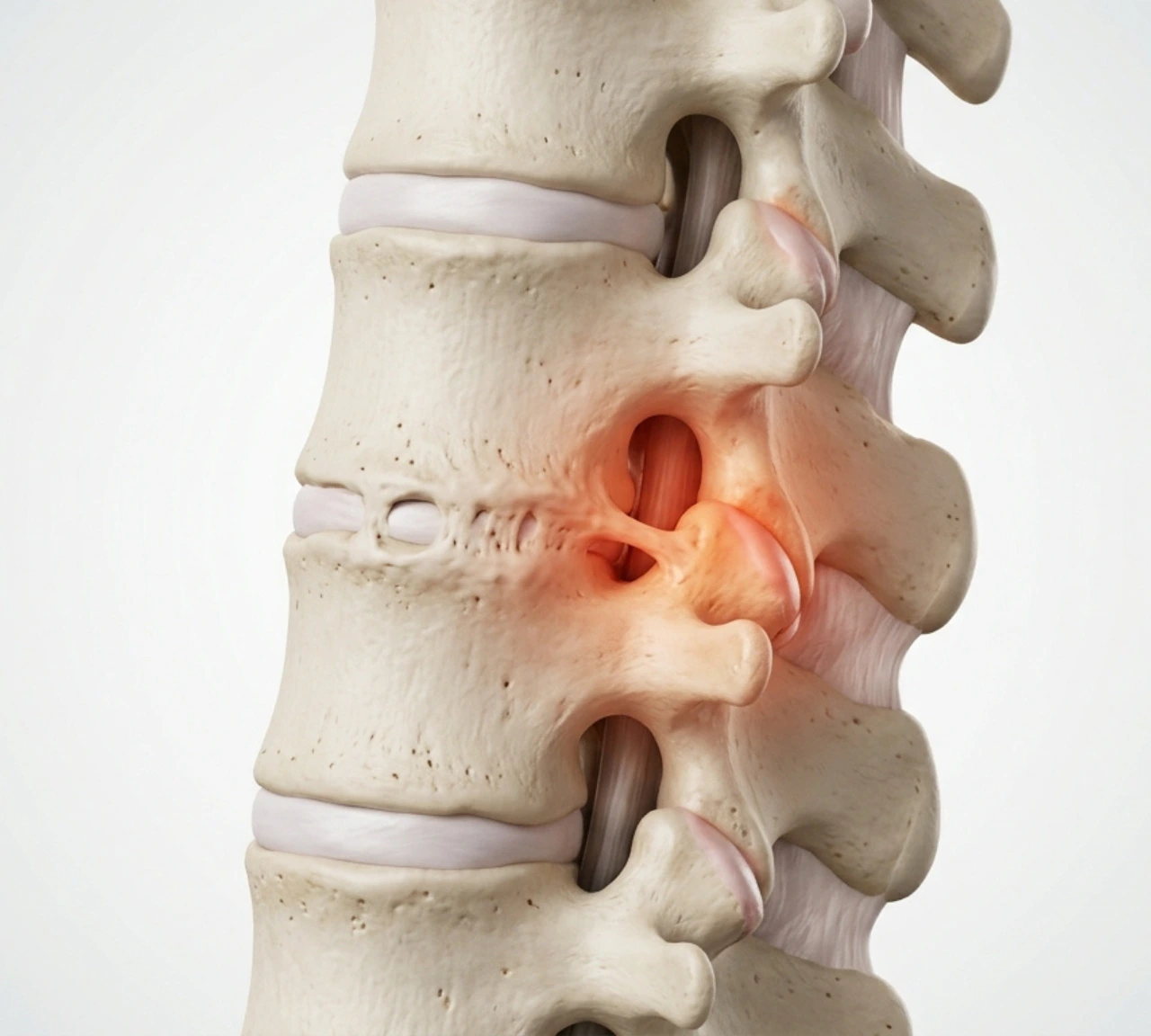
Lordosis symptoms
The trouble usually shows up as fatigue and a change in shape, not sharp pain. A few patterns are worth watching for.
Low back ache that builds with standing
A tired, aching lower back that worsens as the day goes on. It is a fatigue ache, not a sharp pain.

A visible change in shape
A deeper hollow in the lower back, or a lower back that has flattened out and lost its curve.
Tiring quickly when walking
Your back tires fast on your feet. You stop to lean or rest for a moment to reset, then carry on.
Leg symptoms when you stand
Numbness or heaviness in a leg when you stand needs prompt evaluation. The alignment may be crowding the nerves.
What causes swayback ?
Most lordosis comes from posture and muscle balance, not disease. A few cases trace to the structure of the spine itself.
Book an Appointment →-
01
Muscle imbalance and posture
Tight hip flexors with weak abdominal and gluteal muscles. Together they tip the pelvis and deepen the curve.
-
02
Weight carried in front
Extra weight held in front of the body pulls the pelvis forward and increases the inward curve.
-
03
Disc collapse in the lower back
Worn discs that lose height over time. As they collapse, the natural curve flattens.
-
04
A slipped or unstable level
Spondylolisthesis or instability that shifts the alignment at one level of the spine.
-
05
Flatback after a previous fusion
A fusion that sets the spine in the wrong position, leaving it flat. This is a known revision problem we review in detail.
How is lordosis diagnosed?
A careful history and exam
We ask when the curve changed and how it behaves. Then we check your posture, your flexibility, and whether the curve is flexible or rigid.
The measurement that matters
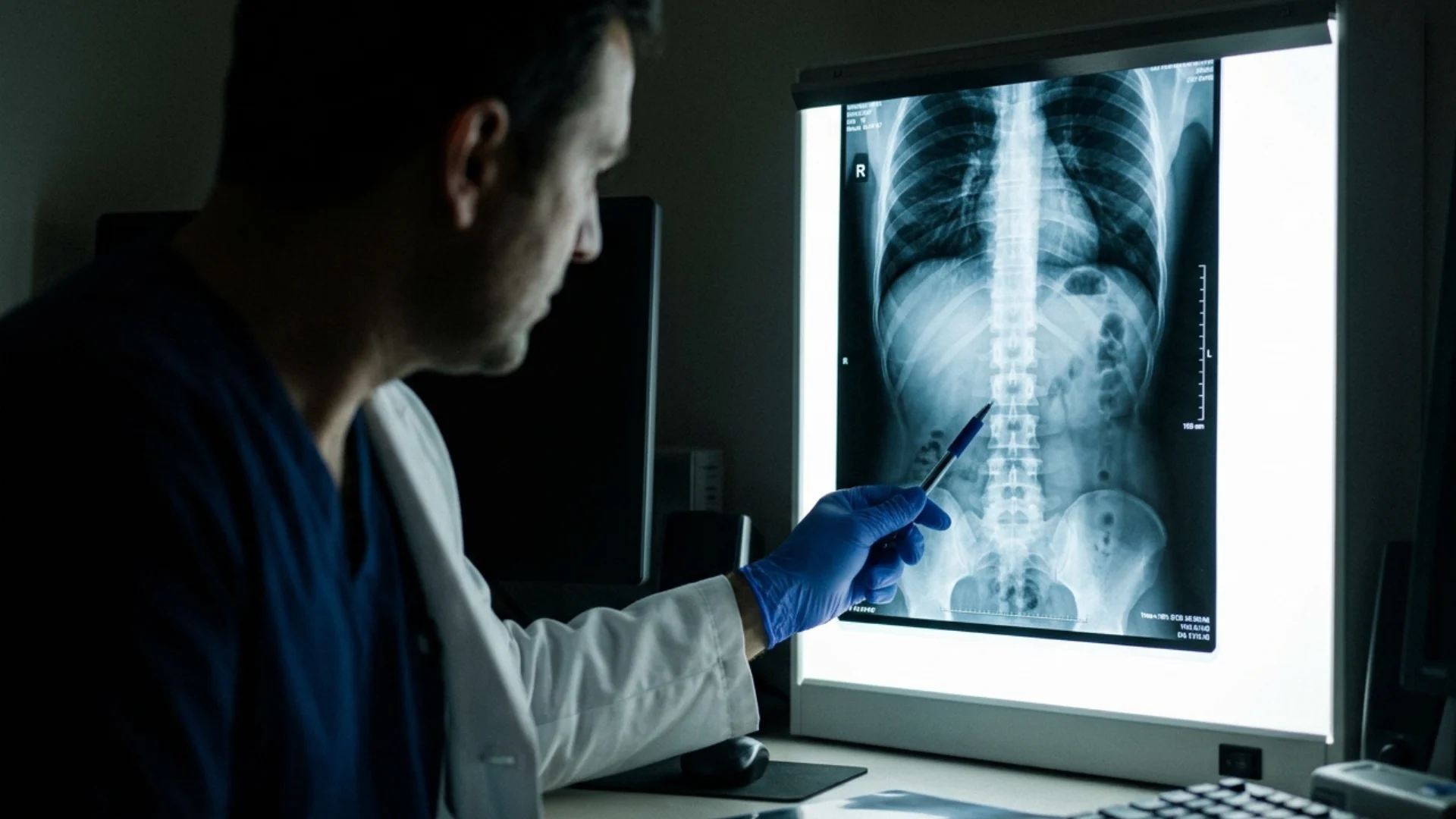
Standing full-length alignment films are the measurement that matters, and advanced imaging is added only when the plan turns on what is happening inside a specific level.
Two specialties on one case
A neurosurgeon and an orthopaedic spine surgeon read your films together. One looks at the overall alignment, the other at the levels that may need attention.
A clear plan you can follow
You leave knowing whether the cause is posture or structure. If it is posture, you start physical therapy. If it is structural, we plan the next test or referral.
Lordosis treatment, from conservative care to surgery
Most lordosis improves with therapy and a change in load, so conservative care comes first. Surgery is reserved for structural cases, especially flatback after a previous fusion.
Conservative care
The starting point for posture-related curves
- Targeted physical therapy for hip flexor length and core and gluteal strength.
- Weight and activity management to ease the load on your lower back.
- Medication for pain flares, used sparingly.
- Pelvic and posture retraining to hold the curve where it belongs.
Surgery, for the structural cases
Aimed at restoring the natural curve
- Realignment fusion to restore the natural inward curve.
- Osteotomy techniques for a rigid flatback that will not correct on its own.
- Decompression with realignment where the nerves are crowded.
- Revision of a previous fusion set in the wrong position.

When it cannot wait: new weakness in a leg, numbness in the inner thighs or groin, or any change in bowel or bladder control alongside back pain. Call 911 or go to the nearest emergency department immediately.
Doctors who treat Lordosis in New York
Our neurosurgeons and orthopaedic spine surgeons plan your care together, with academic-level training, for patients throughout the New York metro area.
Debra Petrucci, MD
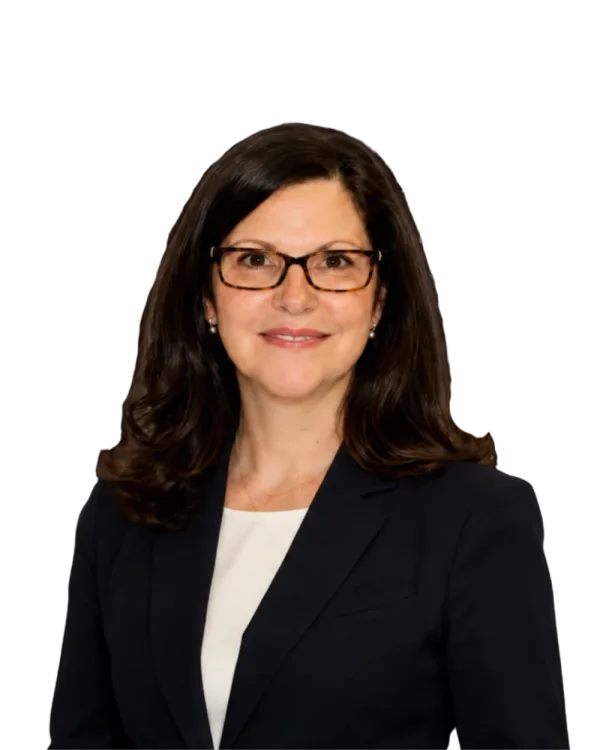
Jay Reidler, MD
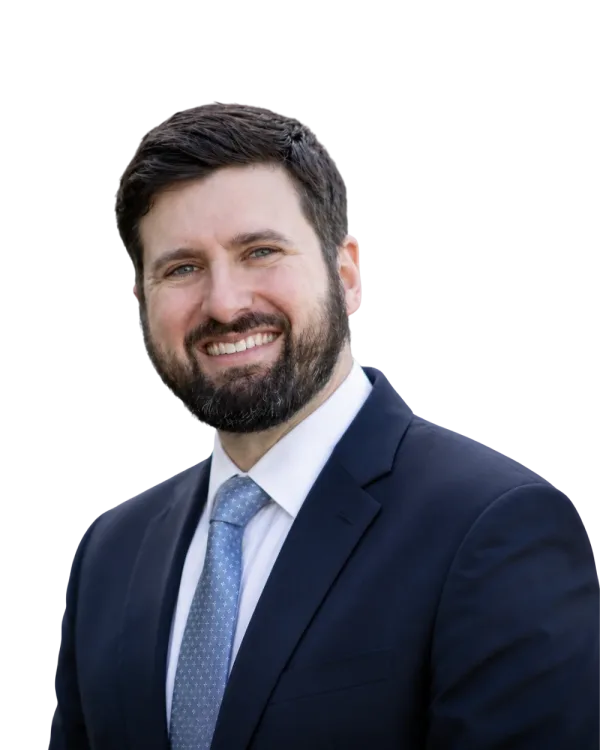
John A. Grant, MD

John F. Morrison, MD

Joshua Adjei, MD
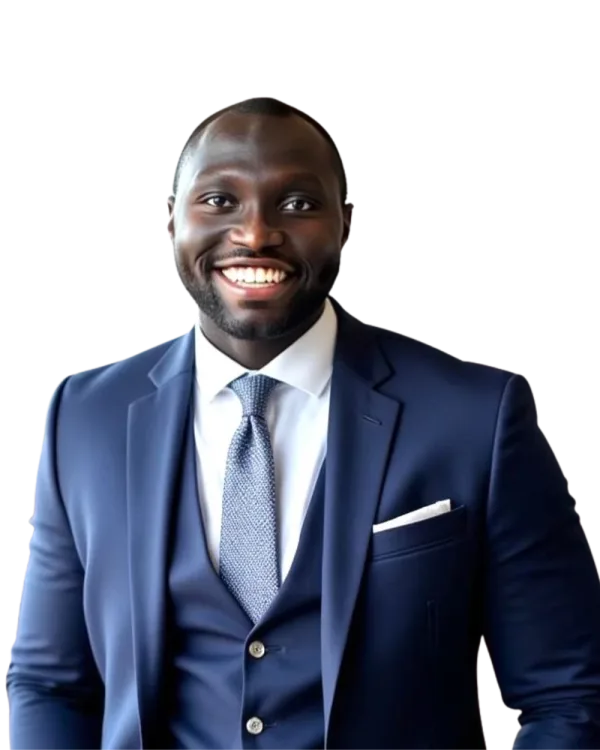
Marc Dyrszka, MD
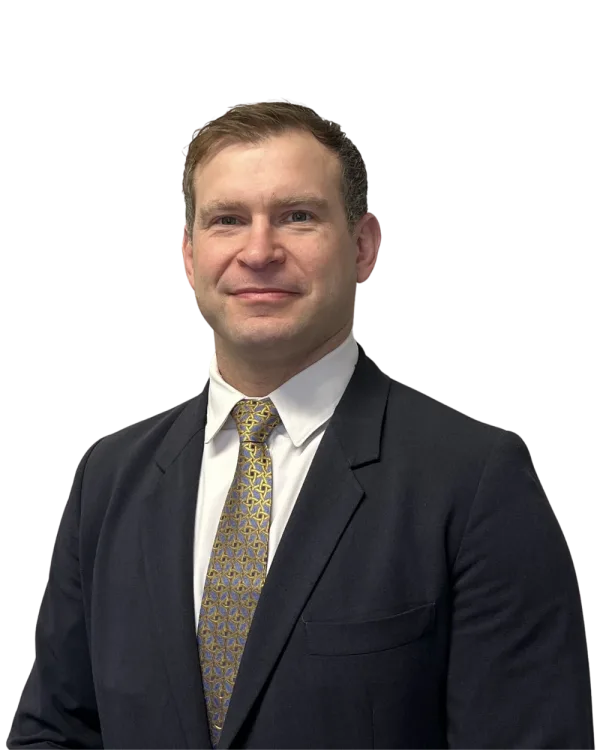
Murat Cosar, MD

Nicholas Post, MD
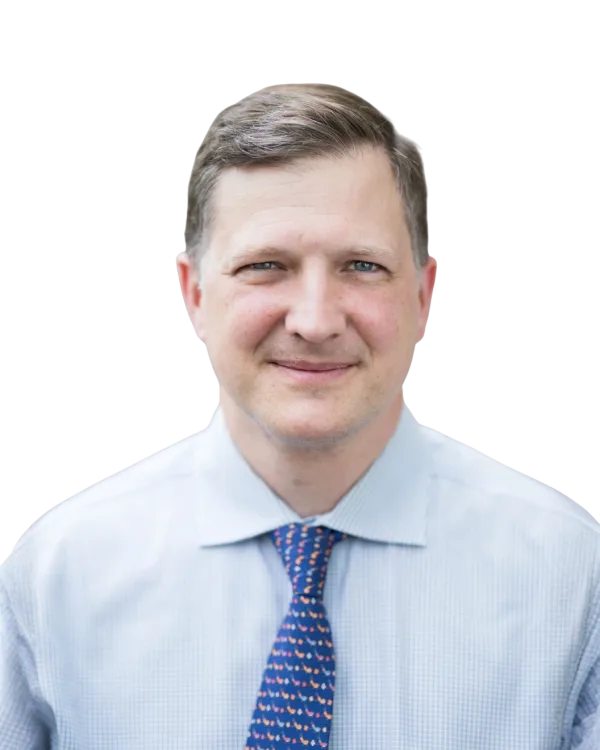
Simon Morr, MD
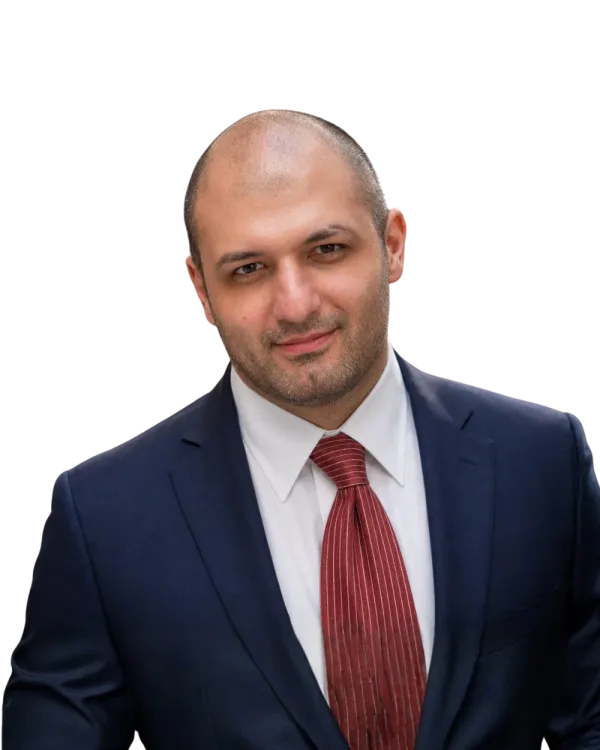
Yigal Samocha, MD