Scoliosis Treatment in New York
Our New York scoliosis doctors review your case as one team, starting with the least invasive care that can work.
What is scoliosis ?
Scoliosis is a problem of alignment, not of pressure on a nerve. The spine curves and rotates to one side, so a shoulder or hip can sit higher, the ribs turn, and the muscles on each side of the back work unequally.
Most scoliosis is picked up during growth, often when uneven shoulders are first noticed. An accurate diagnosis of the curve and its cause is what makes scoliosis treatment effective.
See how it is treated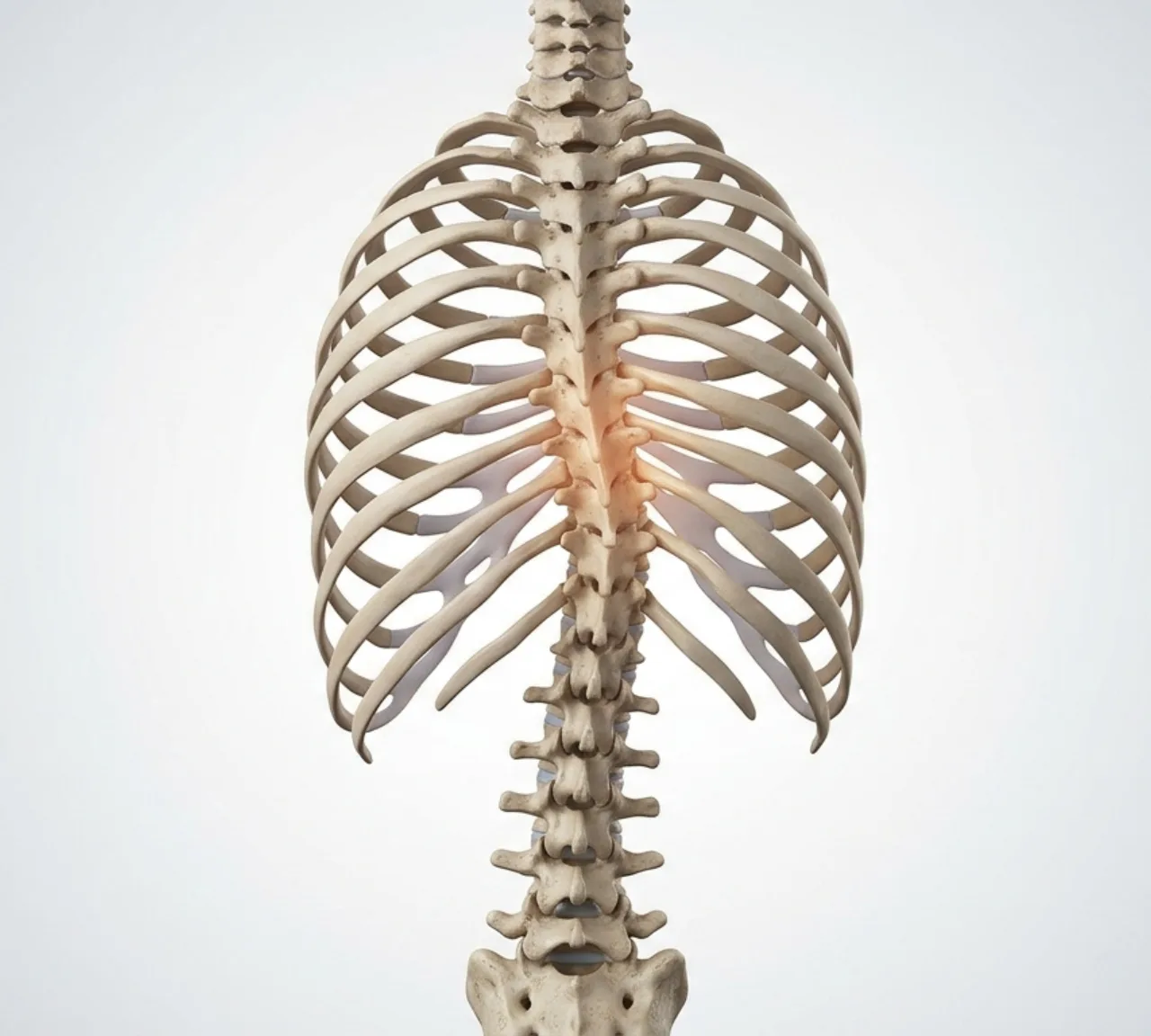
Scoliosis symptoms
Scoliosis is often more visible than painful, and the shape may be noticed before any ache begins.

Uneven shoulders or hips
Clothes that hang crooked, one shoulder blade standing out, or a waistline that looks higher on one side.

A rib hump on bending forward
When you bend forward, one side of the back rises higher than the other as the ribs rotate.
Back ache with sitting or standing
Fatigue and soreness rather than sharp pain, usually worse late in the day after standing or sitting for a while.
Leg symptoms in adults
In adults, numbness or weakness in the legs can mean the curve is crowding the nerves and deserves prompt evaluation.
What causes a curved spine ?
Scoliosis has several causes, and they differ by age. We look at your history, your growth or your degeneration, and the shape of the curve together, rather than assuming one measurement on an X-ray explains everything.
Book an Appointment →-
01
01. Idiopathic scoliosis
The most common form in adolescents, appearing during growth with no single identified cause.
-
02
02. Degenerative scoliosis
In adults, wear and asymmetric disc collapse can create a new curve where the spine was once straight.
-
03
03. Congenital differences
Some vertebrae form differently before birth, setting up a curve that is present from a very young age.
-
04
04. Neuromuscular conditions
When certain nerve or muscle conditions leave the trunk unable to hold the spine balanced, a curve develops.
-
05
05. Progression after previous surgery
A curve that returns or worsens after previous spine surgery needs dedicated revision review.

How is scoliosis diagnosed?
Your initial assessment
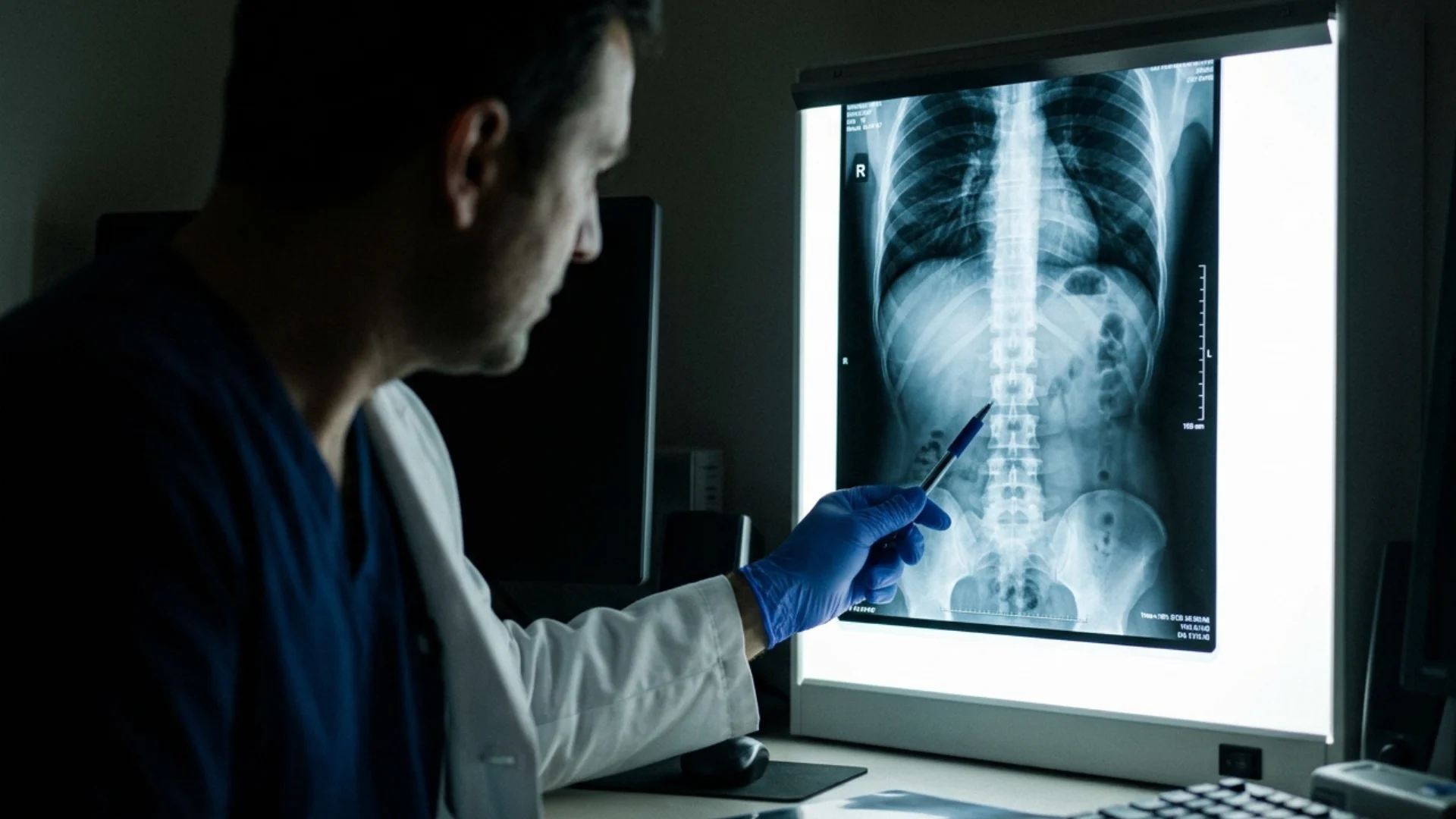
We ask about your history, growth, and symptoms, then examine posture, shoulder and hip level, the forward bend, and strength.
Imaging timed to you
Standing X-rays measure the curve and the rotation. We do not repeat them unless a new picture would alter the plan.
Neurosurgical and orthopedic review
Neurosurgeons and orthopedic spine surgeons review your curve together, so the diagnosis reflects both perspectives on one case.
Your personalized treatment plan
We explain the type of curve, whether it is likely to change, and the options that fit your age and goals, in plain language.
Scoliosis treatment, from conservative care to surgery
Treatment fits the curve and your age. We watch mild curves, brace moderate growing curves, and reserve surgery for large or progressing curves and adults with nerve involvement.
Conservative treatment
Care that begins without surgery
- Monitoring at measured intervals so any change is caught early.
- Bracing during growth for curves in the right range.
- Physical therapy for strength, posture, and pain.
- Treatment of associated pain sources without addressing the curve itself.
Surgical treatment
When a structural problem requires it
- Posterior instrumented correction and fusion.
- Growth-friendly techniques in younger patients.
- Decompression combined with correction where the curve crowds nerves.
- Revision of a previous deformity correction.

When it cannot wait: a curve that is visibly worsening over weeks rather than months, new weakness or numbness in the legs, changes in bowel or bladder control, or new shortness of breath. Call 911 or go to the nearest emergency department now for weakness or breathing changes.
Doctors who treat Scoliosis in New York
Our New York orthopedic scoliosis specialist surgeons and neurosurgeons treat adults and children across the metro area, reviewing every curve together before advising you.
Joshua Adjei, MD
Murat Cosar, MD

Marc Dyrszka, MD

John A. Grant, MD

Simon Morr, MD
John F. Morrison, MD

Debra Petrucci, MD
Nicholas Post, MD
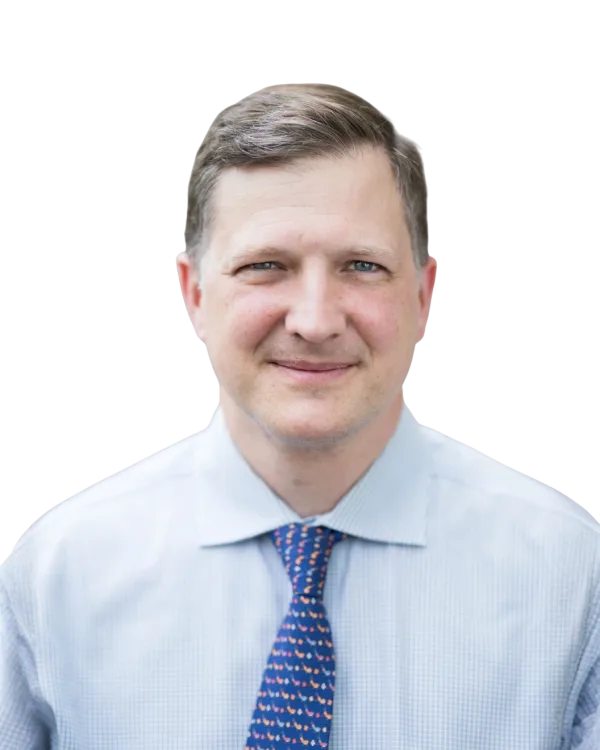
Jay Reidler, MD
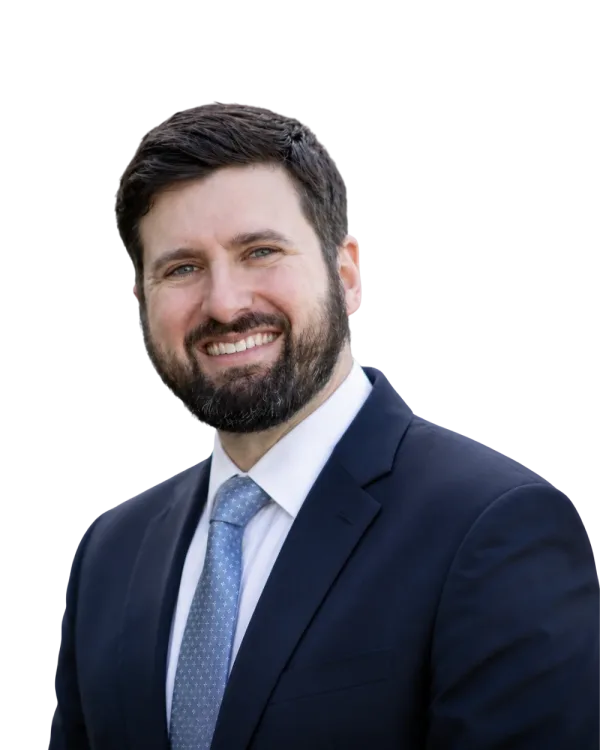
Yigal Samocha, MD