Neurovascular Conditions Treatment in New York
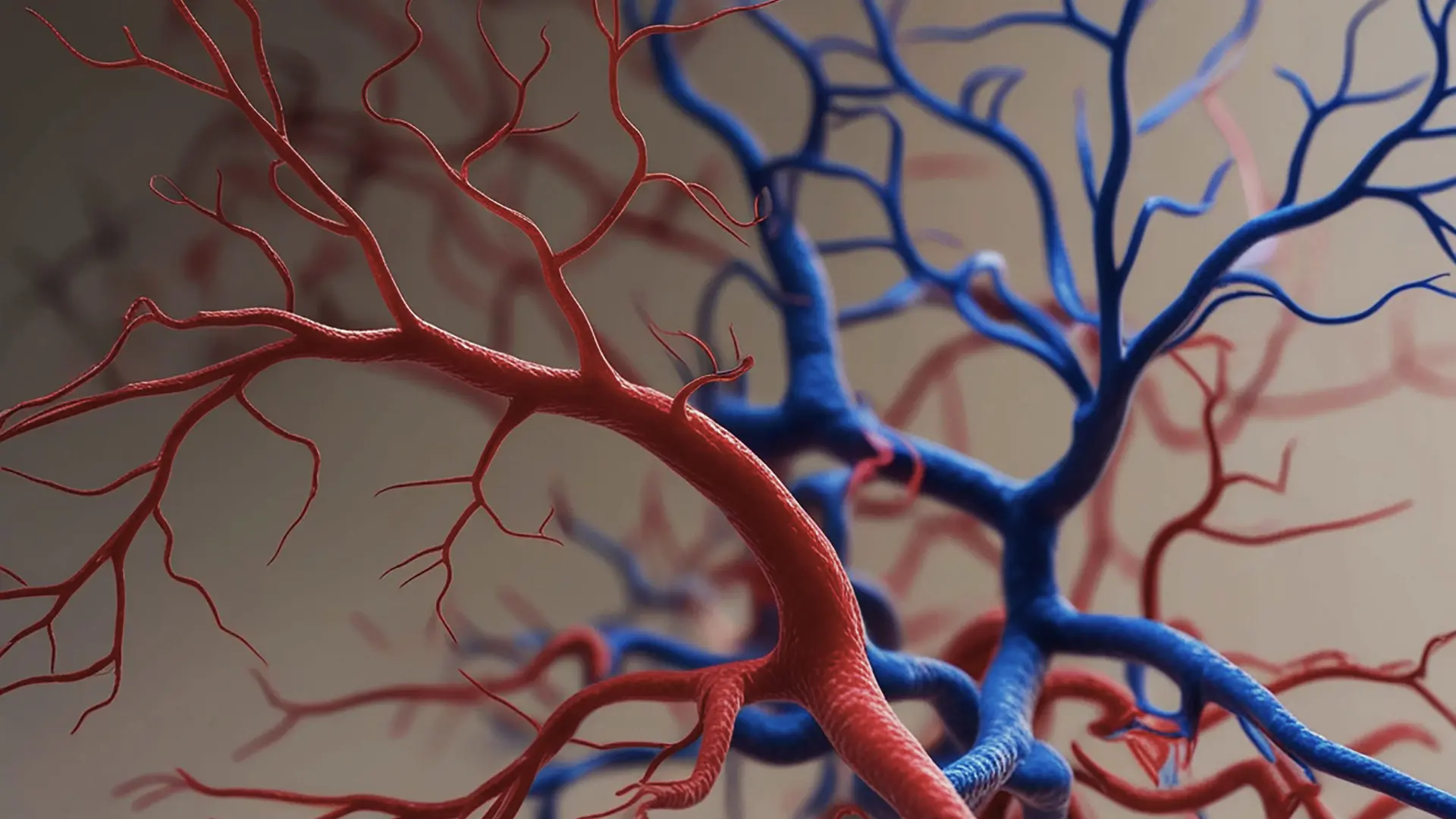
Our neurovascular specialists in New York focus on addressing concerns related to brain blood vessels, such as blockages, ruptures, and rerouting.
What are neurovascular conditions ?
Neurovascular conditions affect the blood vessels supplying the brain, not the brain tissue itself. This distinction is crucial for treatment. The brain has no reserves; it relies on a continuous blood supply. There are only three ways this supply can fail.
An artery can get blocked, a vessel wall can rupture and bleed, or blood can be rerouted through an abnormal connection. Knowing which of these three issues is present and where it occurs is what an accurate diagnosis clarifies first.
See how it is treated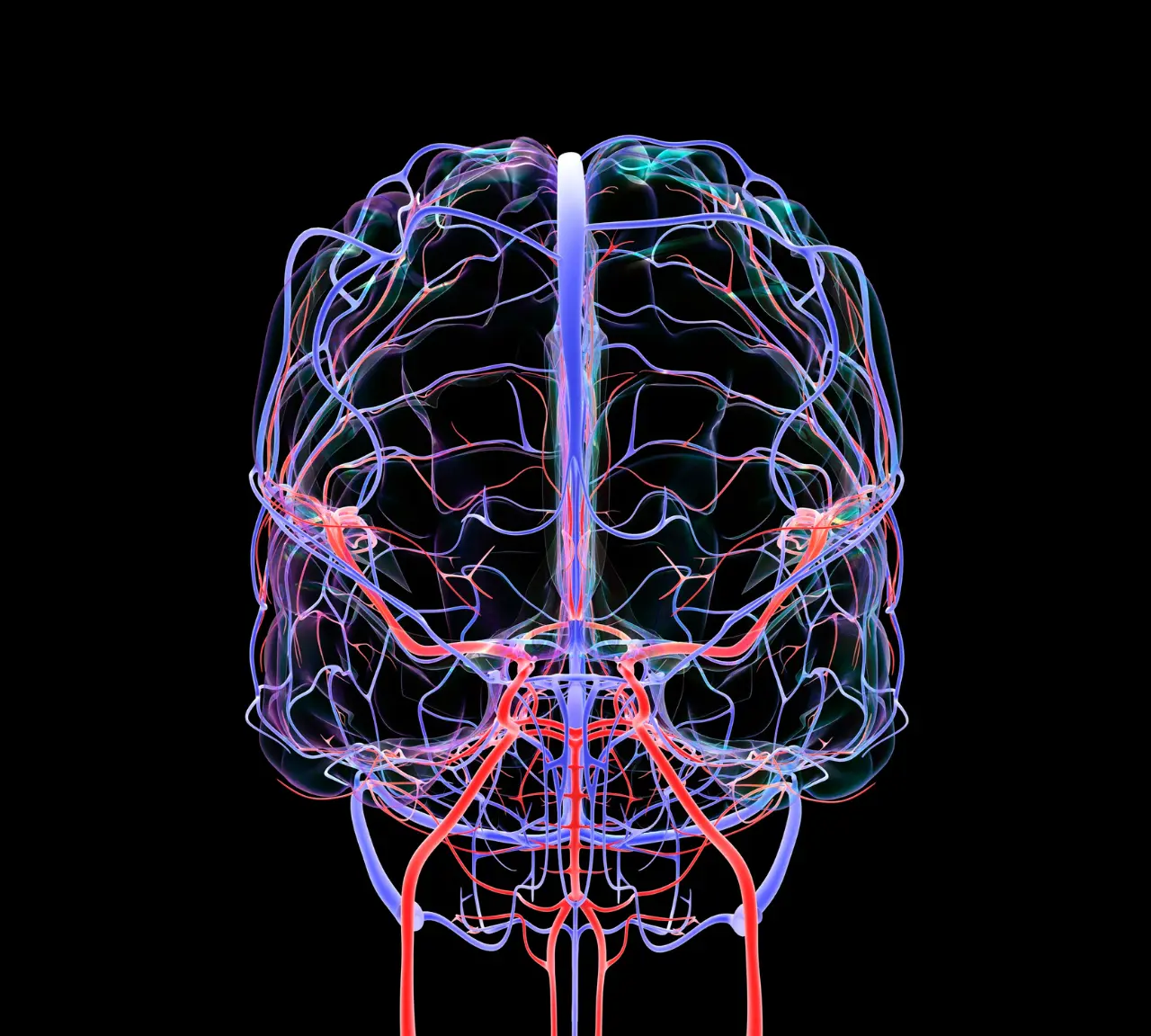
Specific Neurovascular Conditions Conditions We Treat
Below are the specific neurovascular conditions conditions we treat in New York. The cards that link open that condition's own detailed page; the rest are covered by the care on this one.

Symptoms of Neurovascular Conditions
Neurovascular symptoms occur almost immediately rather than developing over days. These four are the most critical symptoms to watch out for.

Sudden weakness or drooping on one side
Weakness or drooping in the face, arm, or leg on one side, starting within seconds rather than developing gradually.
Sudden difficulty speaking or understanding
Words that will not come, or speech that suddenly sounds wrong to the people around you.

A sudden, severe headache
A headache that peaks within seconds, unlike any you've had before, often accompanied by a stiff neck or vomiting, is an emergency.

Sudden vision loss or severe unsteadiness
A curtain across one eye, double vision, or the room tilting without warning, all coming on at once.
What causes brain blood vessel problems ?
Most problems with brain blood vessels stem from a few specific issues in the vessel wall or the flow of blood through them. These are the main contributors.
Book an Appointment →-
01
Plaque narrowing an artery
Plaque building up and narrowing an artery, most often in the neck, is the most common and modifiable cause.
-
02
A weak spot in an artery wall
An aneurysm, a weak point that balloons out, usually silent until it is detected on a scan.
-
03
An abnormal connection or tangle
A malformation or fistula occurs when vessels connect abnormally. Either condition can be present from birth or acquired later in life.
-
04
A tear in an artery wall
A dissection is a tear in an artery wall and a leading cause of stroke in younger adults without other risk factors.
-
05
A returning or incompletely treated problem
Incomplete or recurring disease after surgery or endovascular treatment requires a careful examination of the altered anatomy.
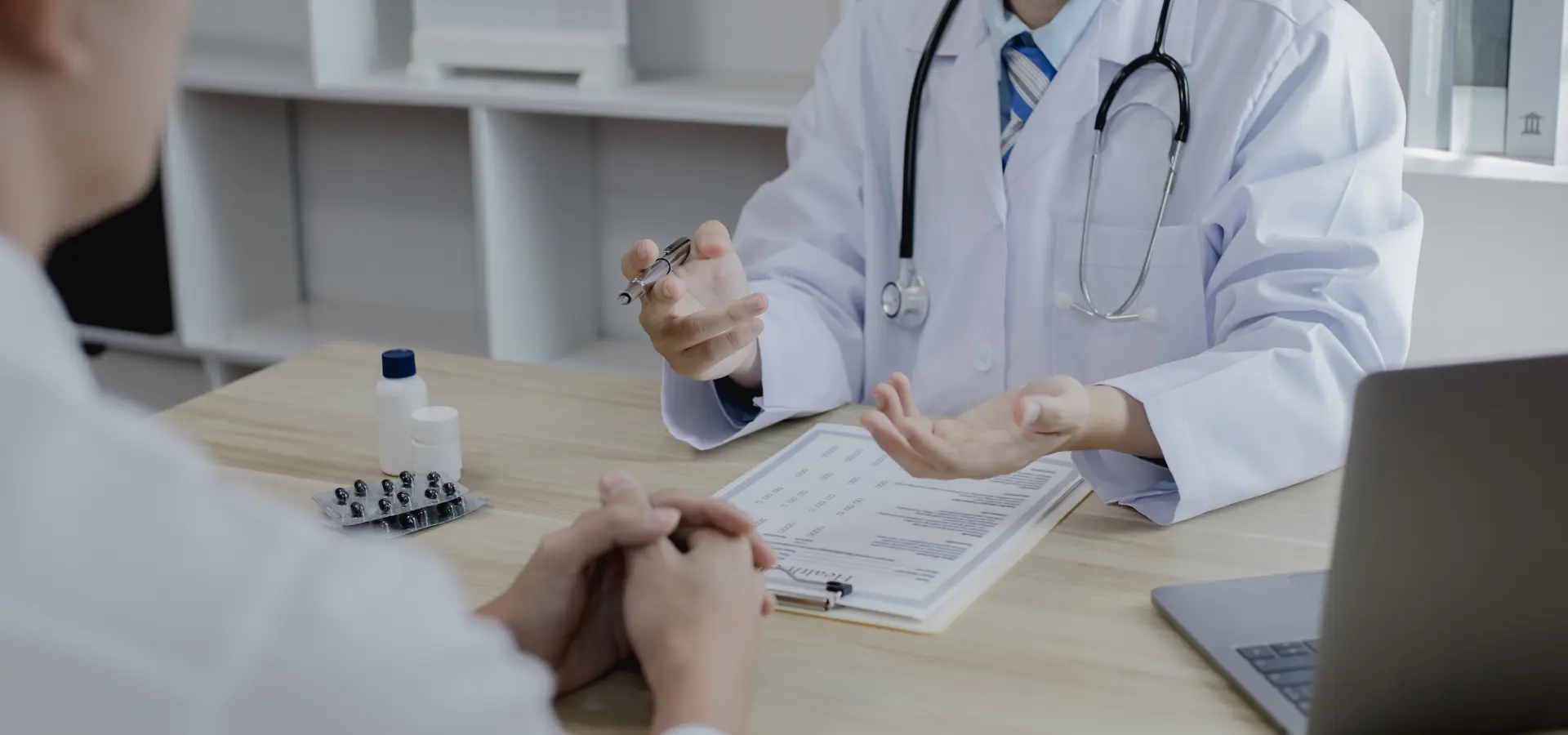
How are neurovascular conditions diagnosed?
History and a rapid neurological exam
We evaluate exactly what changed, when it began, whether it resolved, vascular risk factors, family history, prior events, medications, and neurologic function.
Imaging and the risk it points to
CT, MRI, and angiography map the vessels and the flow through them. Not every finding in a blood vessel needs treatment, and treatment carries its own risk. We explain the risk of your specific finding alongside the risk of treating it and decide with you rather than for you.
Reviewed jointly by both specialties
A neurosurgeon and an orthopaedic spine surgeon review the case together, choosing the safest approach—open or endovascular—based on the finding.
Your plan, explained plainly
Your plan explains the diagnosis, whether monitoring or treatment is needed, when a brain blood vessel specialist should intervene, and how care protects function, mobility, and quality of life.
Neurovascular conditions treatment, from conservative care to surgery
A neurovascular surgeon in New York faces both extremes. Some findings are monitored, while others require treatment within hours.
Medical care and monitoring
Prevention or surveillance may offer the greatest benefit.
- Blood pressure, cholesterol, and diabetes management can be more effective than procedures for the most common causes of stroke.
- Antiplatelet or anticoagulant medication when the diagnosis and bleeding risk make it appropriate.
- Smoking cessation support, which measurably reduces ongoing vascular damage and future stroke risk.
- Scheduled imaging surveillance when monitoring a stable finding poses less risk than treating it.
Procedures for selected or urgent cases
Brain aneurysm and AVM treatment matched to the lesion.
- Endovascular treatment including coiling, flow diversion, stenting, and embolization.
- Microsurgical aneurysm clipping or malformation removal when open treatment offers the safer route.
- Carotid surgery when a narrowed carotid artery increases stroke risk.
- Treatment after bleeding to relieve pressure or divert spinal fluid when the flow of spinal fluid is blocked.

When it cannot wait: sudden drooping on one side of the face, sudden weakness in an arm or leg, sudden difficulty speaking or understanding, sudden loss of vision, or sudden severe unsteadiness. Also, call 911 for a sudden severe headache that reaches its peak within seconds. Call 911 now, even if the symptoms have already passed, and note the time they started.
Doctors who treat Neurovascular Conditions in New York
Our cerebrovascular specialist in New York works with a team of neurosurgeons and orthopaedic spine surgeons who review each case together.