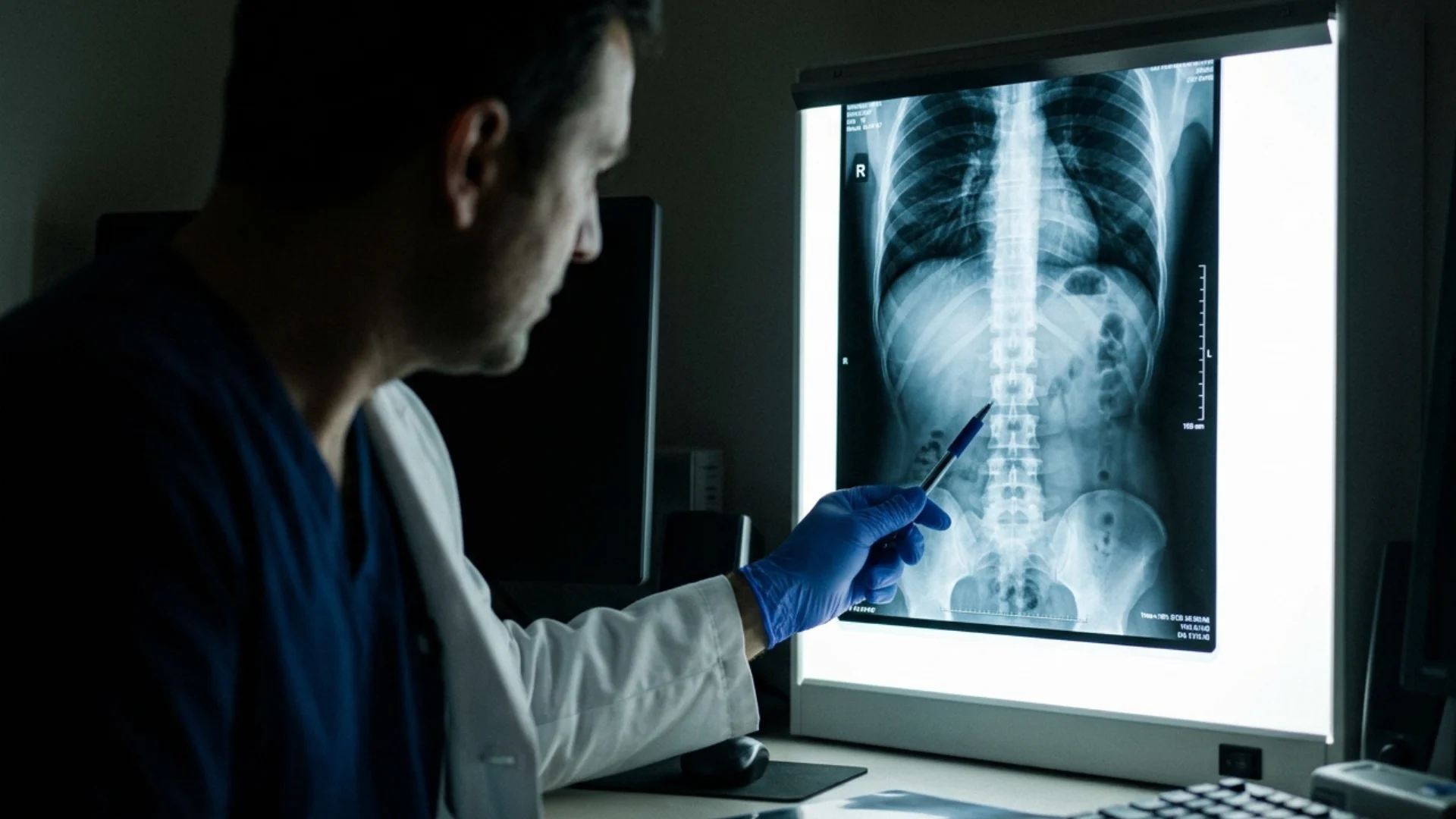
Bone Spurs Treatment in New York
Our New York bone spurs orthopaedic surgeons review your case as one team, starting with the least invasive care that can help.
What is a bone spur ?
A bone spur is not a growth that appeared out of nowhere. It is extra bone the body lays down in response to wear, and doctors call it an osteophyte. Despite the name, a spur is a smooth, rounded ridge, not a sharp spike.
Where a joint or disc has lost its cushion, the body adds bone at the edges to spread the load. That extra bone can crowd the space a nerve or the spinal cord needs. Matching the spur to your symptoms is what makes treatment effective.
See how it is treated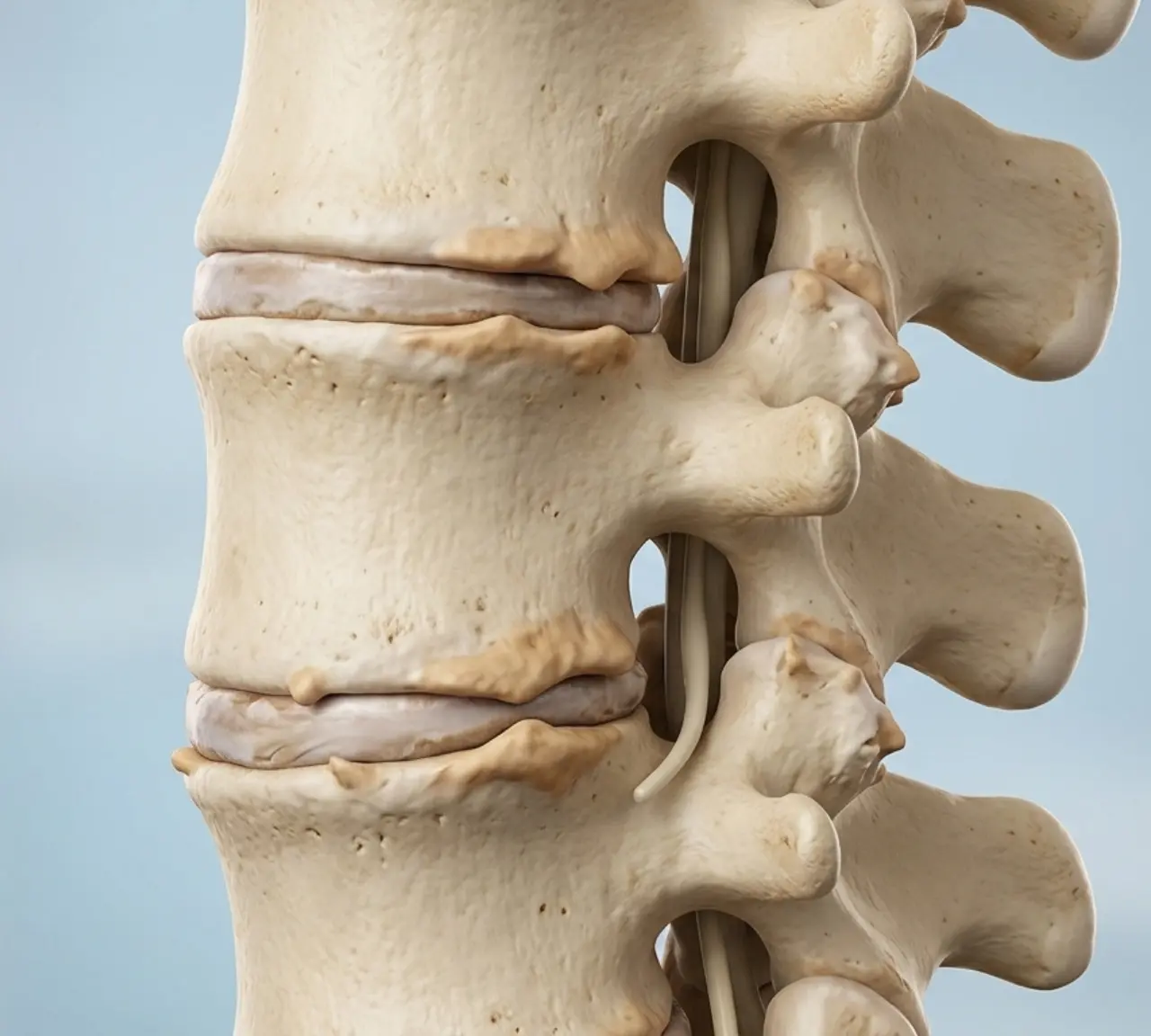
Bone spurs symptoms
Most bone spurs cause nothing at all. When they do, the symptoms depend on what the extra bone is pressing on.

Often nothing at all
Many spurs are found by chance on a scan done for another reason, and never cause a single symptom.
Pain or numbness along one nerve route
A defined line of pain or numbness down one arm or leg, when a spur crowds a nerve exit.

Stiffness and a grinding feeling
Reduced movement at the affected level, often with a grinding or catching feeling when you move.
Clumsy hands, unsteady walking, or trouble swallowing
These need prompt evaluation, since they point to pressure on the spinal cord or, at the front of the neck, the throat.
What causes bony growths ?
Bone spurs are the body's response to wear, not a disease in themselves. A few factors make them more likely.
Book an Appointment →-
01
Age-related wear
Everyday wear in the discs and joints. This is the reason the body forms spurs at all, and by far the most common cause.
-
02
Lost disc height
Discs that have flattened over time, which increases the load on the joint edges and prompts new bone.
-
03
A previous injury
An earlier injury to a joint or a spinal level, which can set off extra bone at that spot.
-
04
Inflammatory joint disease
Conditions such as inflammatory arthritis that drive new bone formation around the joints.
-
05
Spurs next to a previous fusion
New spurs at the level beside an earlier fusion, which takes up load. This is a known reason symptoms return after surgery.

How are bone spurs diagnosed?
Your history and a hands-on exam
We map where the pain or numbness travels and test strength, sensation, and reflexes, so what you feel and what we find line up.
A finding, matched to you
A spur seen on a scan is not by itself a diagnosis, so it counts only when your examination matches it.
Two specialties on one case
A neurosurgeon and an orthopaedic spine surgeon read your images together, and between them they can tell a spur causing your symptoms from a harmless one.
A clear recommendation
You leave knowing whether the spur explains your symptoms, and whether the first step is therapy, an injection, or a closer look.
Bone spurs treatment, from conservative care to surgery
Many bone spurs never need surgical treatment. The bone will not shrink, so therapy manages symptoms while surgery removes it only when confirmed as the cause.
Conservative care
Where most bone spurs are managed
- Physical therapy to restore movement and offload the affected level.
- Activity changes to ease pressure on the joint.
- Anti-inflammatory medication for pain and swelling.
- A targeted injection for a confirmed pain source.
Surgery, to remove the bone when it is the problem
Reserved for a spur confirmed to compress a nerve or the cord
- Removal of the spur to reopen a nerve exit or the canal.
- Decompression at the affected level.
- Fusion, added only when instability is part of the problem.
- Removal of a front-of-neck spur when it interferes with swallowing.

When it cannot wait: new trouble swallowing or breathing, rapidly worsening weakness or clumsiness in the hands, a change in walking or balance, or loss of bowel or bladder control. Call 911 or go to the nearest emergency department now.
Doctors who treat Bone Spurs in New York
Our neurosurgeons and orthopaedic spine surgeons review these cases together, with academic-level training, for patients in the New York metro area.