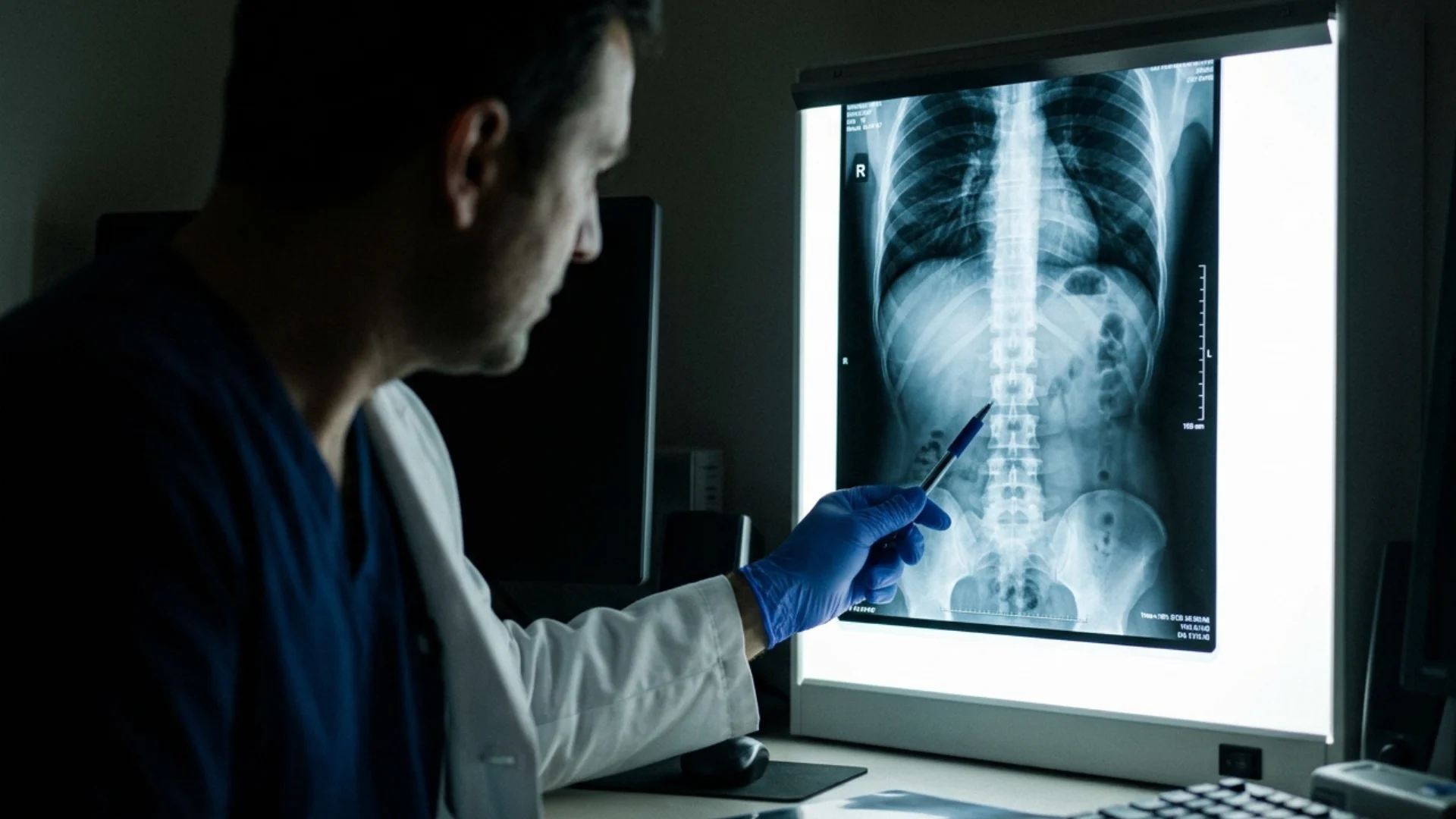
Spondylitis Treatment in New York
Our New York spondylitis specialists determine the cause of inflammation and coordinate care, opting for surgery only when it's necessary.
What is spondylitis ?
Spondylitis is the chronic inflammation of the spine and nearby joints. It’s different from normal age-related wear. This condition is often autoimmune, with ankylosing spondylitis being the most common type. It usually starts where the spine meets the pelvis.
If untreated, this inflammation may fuse the vertebrae, causing back stiffness. The first step is to tell the difference between infection and autoimmune inflammation. A correct diagnosis will lead to the right treatment for each case.
See how it is treated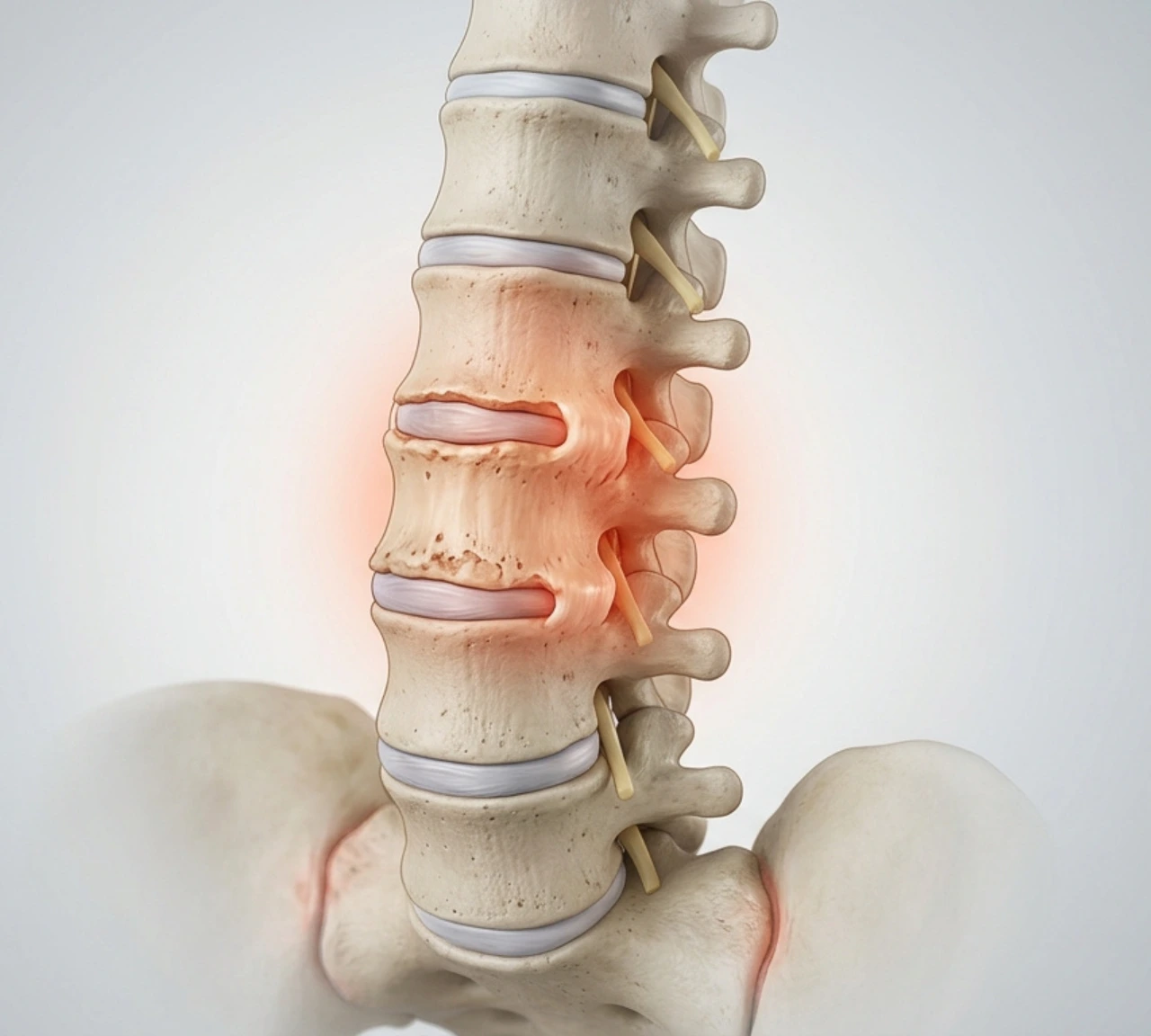
Spondylitis symptoms
This pain behaves differently from typical back pain. It gets better when you move but worsens when you rest. This pattern is the most obvious sign. Four symptoms are particularly noticeable.

Pain and stiffness worse at rest
Intense back pain and stiffness that are most severe at night and in the morning, but tend to improve once you start moving.

Morning stiffness that lingers
You wake up with stiffness that lasts more than half an hour and returns after sitting or standing for prolonged periods.

Sacroiliac and buttock pain
Pain in the area where the lower spine meets the pelvis, often felt in one buttock and may alternate between sides.

Fatigue or pain with fever
Unusual fatigue or back pain accompanied by a fever should be promptly evaluated to rule out an infection.
What causes the inflammation ?
The condition arises from the immune system targeting the joints in the spine, and several factors can increase the risk of developing it. Here are the primary contributors.
Book an Appointment →-
01
An autoimmune reaction
The immune system targets the healthy joints of the spine, leading to chronic inflammation and pain.
-
02
The HLA-B27 gene
The HLA-B27 genetic marker is linked to a higher risk of ankylosing spondylitis.
-
03
An infection as a trigger
An infection, such as a gut or urinary tract infection, can set off reactive inflammation in the spine.
-
04
A related condition
Psoriasis, inflammatory bowel disease, and eye inflammation are associated with an increased risk.
-
05
Family history and long-missed cases
We assess your family history of these conditions and look for symptoms that were dismissed as ordinary back pain for years.
How is spondylitis diagnosed?
Your history and the pain pattern
We look for the inflammatory pattern: back pain that starts before age forty-five, eases with movement and worsens with rest. We also check where it hurts.
Blood tests and imaging that find hidden inflammation
Blood tests look for HLA-B27 and inflammation markers. MRI finds inflammation in the sacroiliac joints before X-rays can. We check for infection first. Treating autoimmune inflammation as an infection, or vice versa, can lead to inappropriate treatment.
Reviewed jointly with rheumatology
A neurosurgeon and an orthopaedic spine surgeon review the case together. They work closely with the rheumatology team, which leads the medical treatment.
A plan aimed at the true cause
You leave knowing if this is an infection or an autoimmune condition. You also know who is in charge of your care and whether surgery is suitable or not.
Spondylitis treatment, from conservative care to surgery
Spondylitis is managed primarily with medication under rheumatology care, along with physical therapy. Surgery is rare and only considered when the spine is severely deformed or unstable enough to require stabilization.
Medical care, led by rheumatology
Where the disease is actually managed.
- Anti-inflammatory medication as the first-line treatment for pain and stiffness.
- Biologic and disease-modifying therapies, prescribed and monitored by a rheumatologist.
- Physical therapy and posture exercises to keep the spine flexible and properly aligned.
- Smoking cessation support, since smoking can worsen the disease and reduce lung capacity.
Surgery—rarely and only when needed
For a spine that has fused or deformed.
- Correction of a spine that has fused into a forward-bent posture.
- Stabilization where inflammation has damaged a joint or a spinal level.
- Decompression where fused bone has compressed the spinal cord or a nerve.
- Repair after a fracture through a stiffened, brittle spine.

When it cannot wait: back pain with a fever and feeling unwell, new weakness or numbness in the legs, loss of bowel or bladder control, or sudden severe back pain after even a minor fall if you have a stiffened spine. Call 911 or go to the nearest emergency department straightaway.
Doctors who treat Spondylitis in New York
Our spondylitis doctors are neurosurgeons and orthopaedic spine surgeons. They review each case together and collaborate with rheumatologists across the New York metro area.