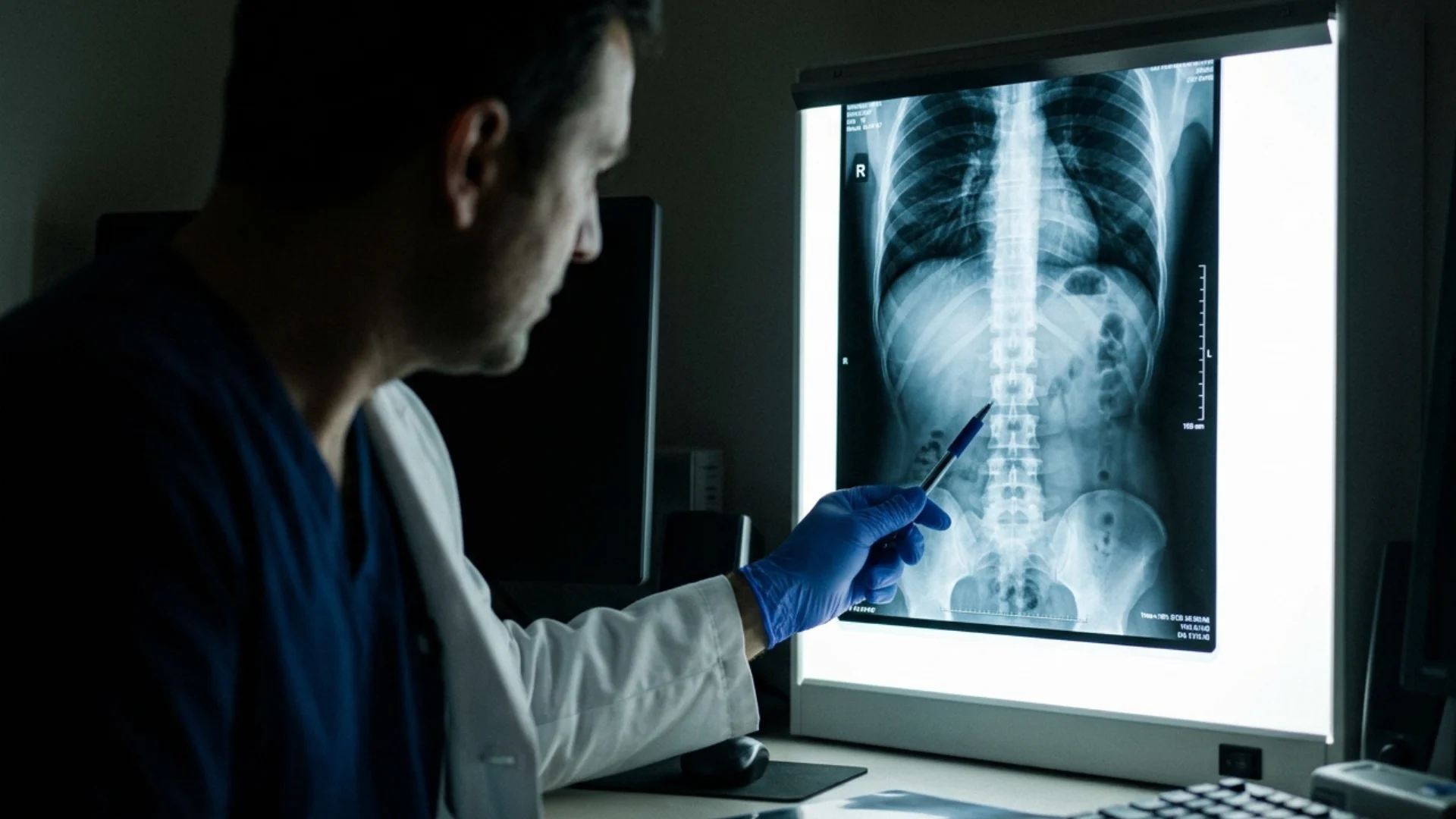
Spinal Arthritis Treatment in New York
Our New York Spinal Arthritis doctors review your case together, matching movement-based care, injections, or surgery to the problem.
What is spinal arthritis ?
Spinal arthritis is wear in the facet joints, the pair of joints at each level that lie just behind the discs. The arthritis is in those joints, not the discs themselves. They affect how you bend and twist, and as their cartilage wears, each joint grows inflamed, thickened, and stiff.
Because these joints take more load when you lean back and after you have been still, the pain is worse with extension and first thing in the morning. Knowing it is the facet joints, and which ones, is what points to the right treatment.
See how it is treated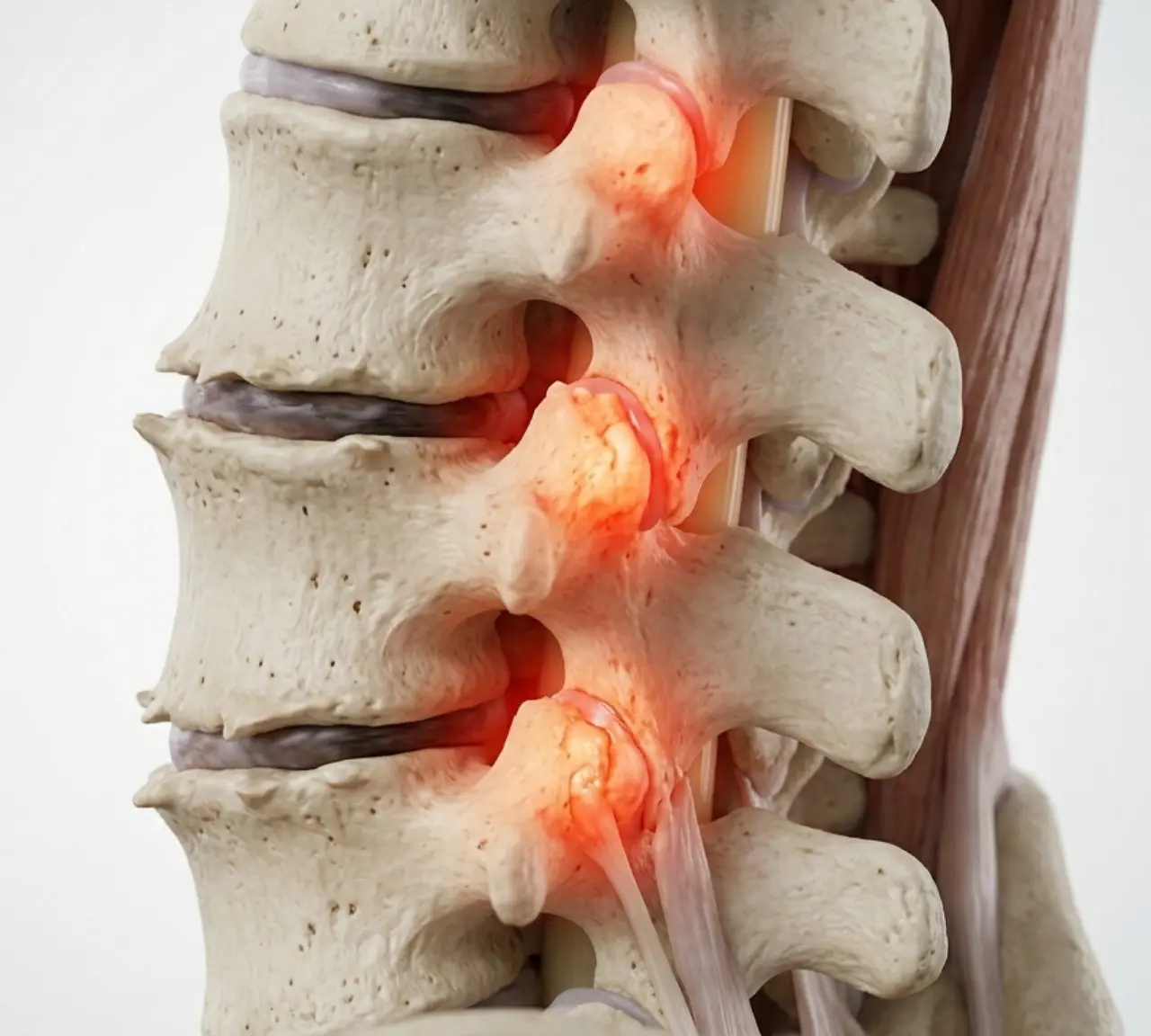
Spinal arthritis symptoms
Spinal arthritis pain tends to change with the time of day and with how you move. That pattern is often the clearest sign the joints are the source of the pain.
Pain that worsens when you lean back
Leaning back loads the facet joints, so the pain flares then; bending forward takes the load off and eases it.
Stiffness after rest that eases with movement
Worst first thing in the morning and after a long spell of rest, easing once you are up and moving.

Pain localized to one side of the spine
Soreness you can point to on one side, often with tenderness right over the joint when it is pressed.

Referred ache into the buttock, thigh, or shoulder blade
A dull ache that spreads into the buttock, thigh, or shoulder blade; if it turns into weakness or numbness, have it checked.
What causes arthritis in the spine ?
It usually falls into two main types: one caused by everyday wear and tear, and another caused by inflammation in the body. Different factors can make each type more likely.
Book an Appointment →-
01
Age-related cartilage wear
By a wide margin, the most common cause, as the cartilage in the facet joints thins over the years.
-
02
Lost disc height
As a disc flattens with age, more load shifts onto the facet joints behind it, wearing them faster.
-
03
A previous injury to a spinal level
An old fracture or joint injury at one level can bring it on there sooner.
-
04
Inflammatory arthritis
Rheumatoid arthritis or a spondyloarthritis inflames the spinal joints, and it behaves and is managed differently.
-
05
Wear beside a previous fusion
A fused level throws extra load on the joints next to it, a recognised reason for symptoms after surgery, reviewed here in detail.
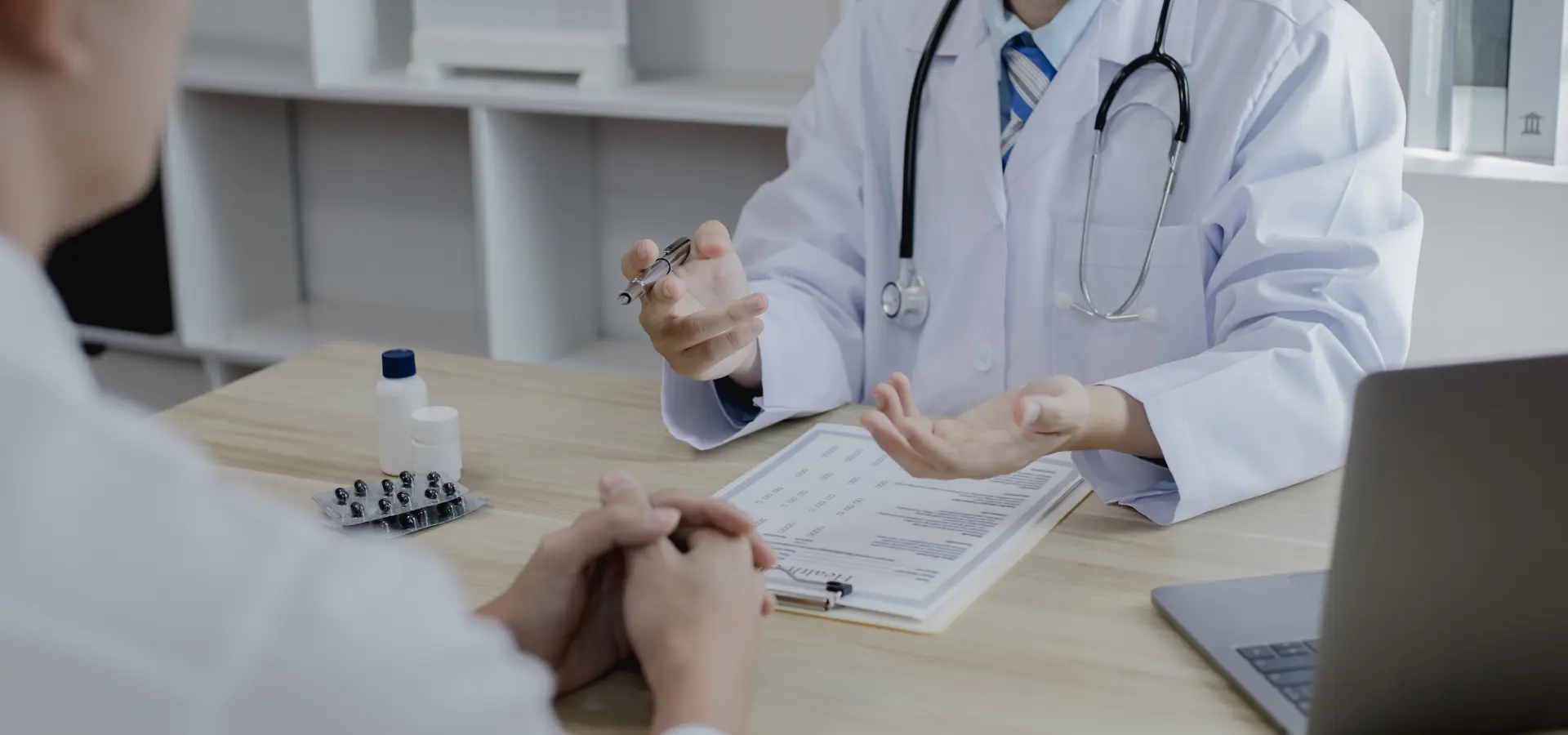
How is spinal arthritis diagnosed?
Your history and how the pain behaves
We ask what eases and worsens the pain, then check movement, reflexes, and the joints that are tender to press.
Imaging, and a joint block only to confirm the source
X-ray or MRI shows the worn joints. Diagnostic joint blocks are used to confirm a facet joint is truly the source before any procedure aimed at that joint.
One review by both spine specialists
A neurosurgeon and an orthopaedic spine surgeon review the case together, so the plan weighs both the joint and any nerve involved.
A plan that starts simple
You leave knowing where to begin, from therapy and medication to a targeted injection, and when surgery is even worth discussing.
Spinal arthritis treatment, from conservative care to surgery
Spinal arthritis treatment usually starts without surgery, using movement, medication, and injections while reserving operations for nerve pressure or instability.
Conservative care first
Where almost all spinal arthritis is treated
- Physical therapy for safer movement, core strength, posture, and load sharing.
- Activity changes and weight management to reduce load on painful facet joints.
- Anti-inflammatory medication or other pain medicine when safe for your health.
- Diagnostic and therapeutic facet joint injections, with radiofrequency options where indicated.
Surgery, only as a last resort
For severe wear or a nerve under pressure
- Decompression where thickened joints have narrowed the canal or a nerve exit.
- Fusion for confirmed instability at a worn level.
- Minimally invasive approaches where anatomy and stability make them suitable.
- Revision surgery for adjacent level breakdown after a previous fusion.

When it cannot wait: new weakness or numbness in an arm or leg, loss of bowel or bladder control, or back pain with fever, unexplained weight loss, or a history of cancer. For weakness or bowel or bladder changes, call 911 or go to the nearest emergency department right away.
Doctors who treat Spinal Arthritis in New York
Our spinal arthritis specialists are neurosurgeons and orthopaedic spine surgeons who review each case together throughout the New York metro area.