Degenerative Disc Disease Treatment in New York
Our New York degenerative disc disease surgeons review your case as one team, starting with the least invasive care that can help.
What is degenerative disc disease ?
Degenerative disc disease sounds alarming, but it is not really a disease. It is the normal wear of the spinal discs with age, a bit like arthritis of the spine. The discs are the soft cushions between the bones of your spine, and as they dry out and lose height, they can ache or stiffen.
Many people have worn discs on a scan and feel nothing, so imaging alone is not the whole story. When the wear does cause pain, it tends to flare and settle rather than stay constant. Matching your symptoms to the disc actually causing them is what makes treatment work.
See how it is treated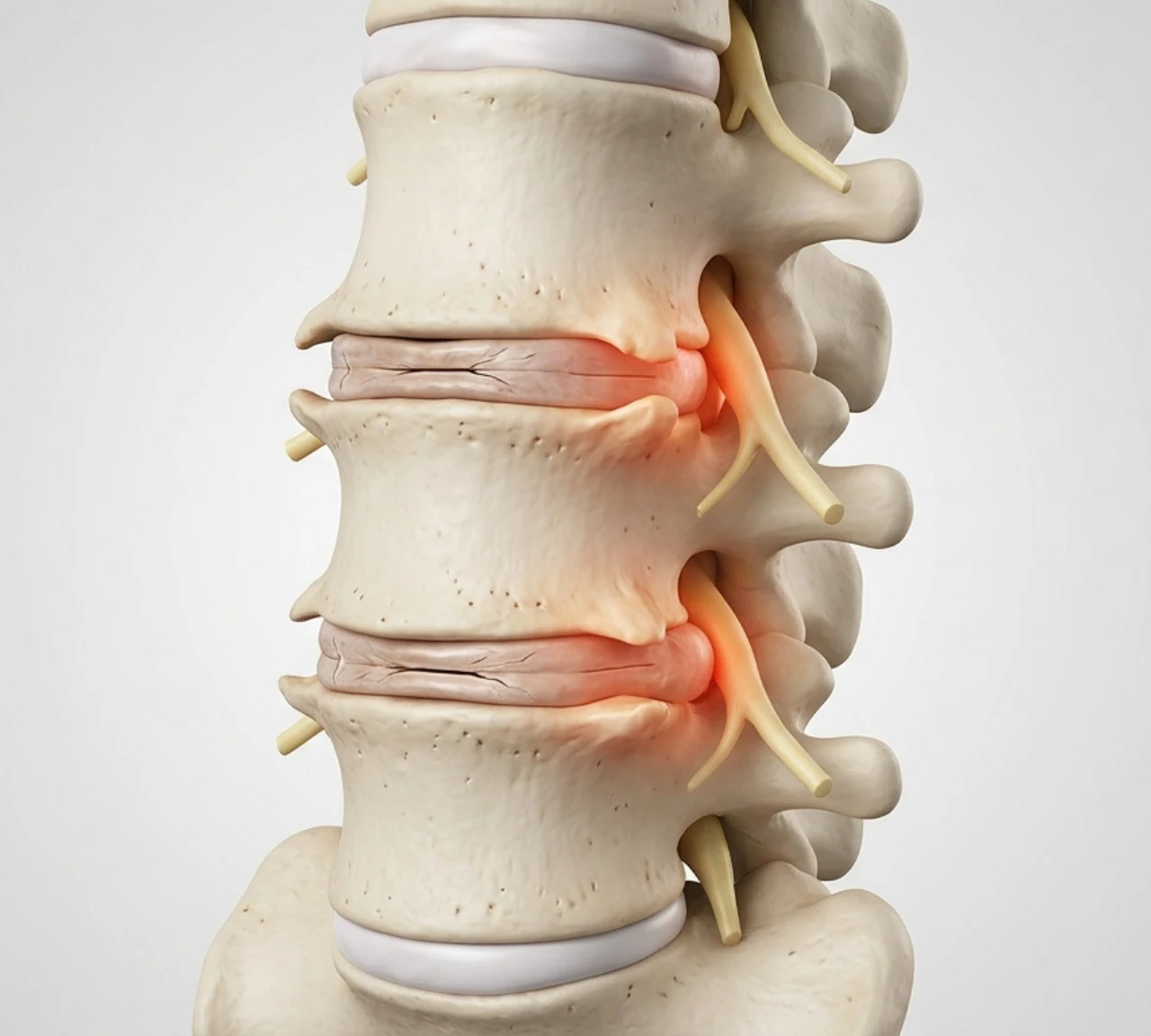
Degenerative disc disease symptoms
The wear itself is not always painful, but when it is, the pain tends to come and go and shift with what you are doing.

A deep, aching back or neck
A dull, deep ache in the lower back or neck that comes and goes rather than staying steady.

Stiffness after rest
Stiffness first thing in the morning or after sitting a while, which often eases once you get up and move.

Worse with sitting, bending, or looking down
Pain that flares with prolonged sitting or standing, bending, lifting, or long stretches looking down at a phone.

Pain or weakness that travels
Pain, numbness, or a weak, heavy limb that spreads into an arm or leg calls for prompt evaluation.
What causes degenerative disc disease ?
Degenerative disc disease is mostly the wear that comes with age, as the discs slowly lose the water that keeps them springy. How fast it progresses depends on many factors, so we look at the whole picture rather than a single finding on a scan.
Book an Appointment →-
01
Age and water loss
Discs are mostly water, and as they dry out with age, they lose height and cushioning, the main driver of the wear.
-
02
Genetics
A family history of spine trouble or arthritis strongly shapes how early and how fast the discs wear.
-
03
Physical stress and lifestyle
Heavy or repetitive work, smoking, extra weight, and long hours sitting all accelerate the wear.
-
04
Injury
A fall, an accident, or an old herniated disc can destabilize a segment and hurry its decline.
-
05
Faster wear after previous spine surgery
Discs next to an earlier fusion can wear sooner, and that returning pain deserves a dedicated revision review.

How is degenerative disc disease diagnosed?
Hands-on evaluation
We listen to your history first, then check movement, strength, reflexes, and sensation to see how the wear is affecting you.
Imaging, read with you
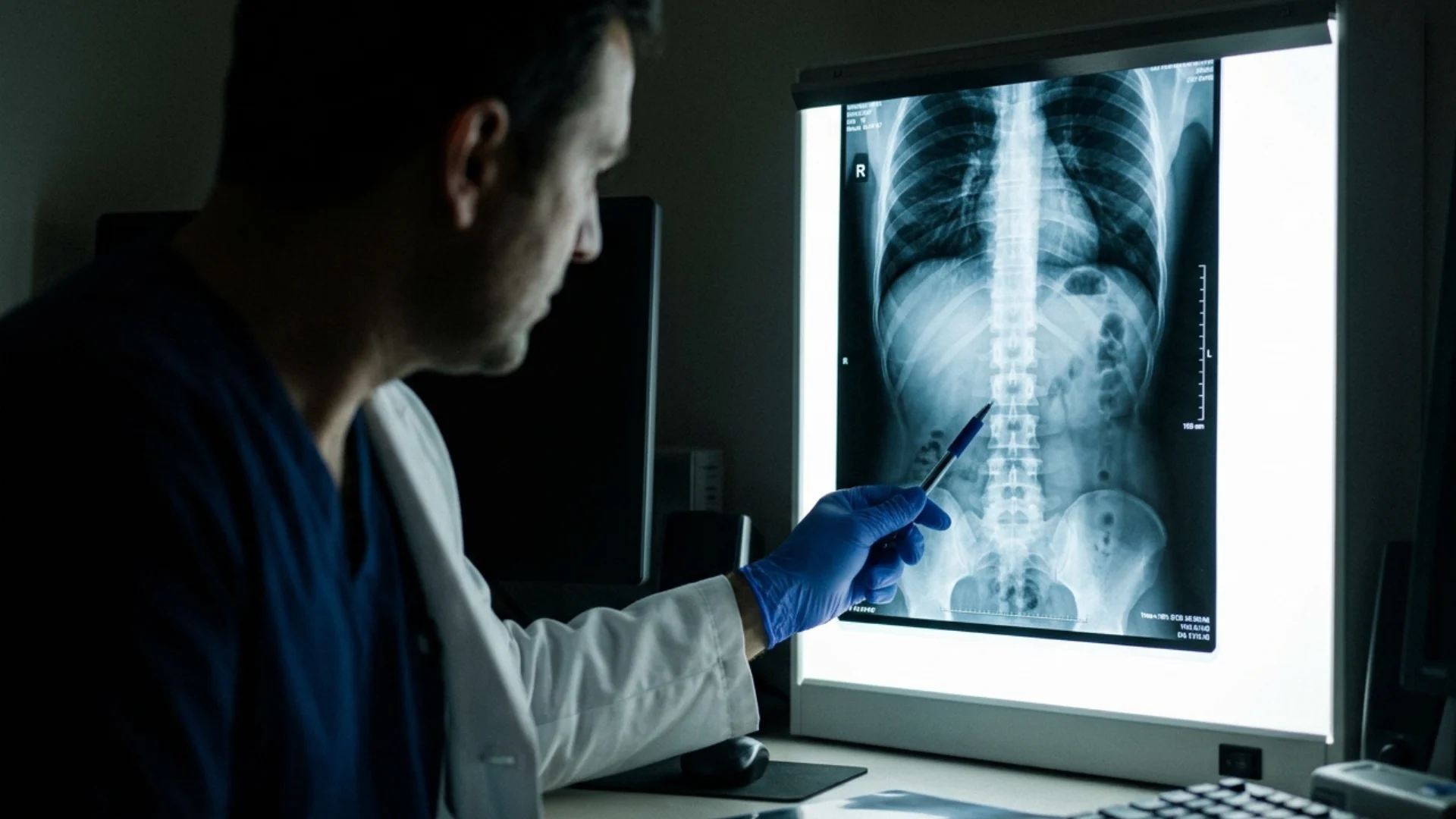
X-ray and MRI show the discs clearly. Bring any scans you have; extra tests are added only when they would affect your treatment.
Team review
A neurosurgeon and an orthopedic spine surgeon review the same images together, so the diagnosis reflects both perspectives.
Finding the disc that hurts
Worn discs show up on many scans, so we treat only when your symptoms, exam, and imaging all point to the same disc. When that is unclear, we can pinpoint the one causing your pain.
Degenerative disc disease treatment, from conservative care to surgery
Most degenerative disc disease does not need surgery. When an operation is the right step, we favor the least invasive procedure that safely relieves your pain.
Conservative care first
Where nearly every recovery plan starts.
- Physical therapy and core strengthening to shift load off the discs and steady the spine.
- Activity changes, heat, and cold to calm flares and keep you moving.
- Medication to ease inflammation and quiet nerve-related pain.
- Targeted spinal injections that deliver anti-inflammatory medicine to the disc or nerve causing pain.
Surgery, when it is needed
Minimally invasive and motion-preserving whenever possible.
- Motion-preserving disc replacement, where the anatomy allows.
- Single-level fusion for a confirmed source of pain.
- Decompression when the wear has narrowed the space a nerve needs.
- Revision surgery for adjacent-segment breakdown after a previous fusion.

When it cannot wait: spreading numbness or leg weakness that is getting worse, back pain with fever or unexplained weight loss, or any loss of bladder or bowel control needs urgent care. If this is happening, call 911 or go to the nearest emergency department now.
Doctors who treat Degenerative Disc Disease in New York
Our degenerative disc disease doctors are neurosurgeons and orthopedic spine surgeons with academic-level training who review your case together for patients across the New York metro area.