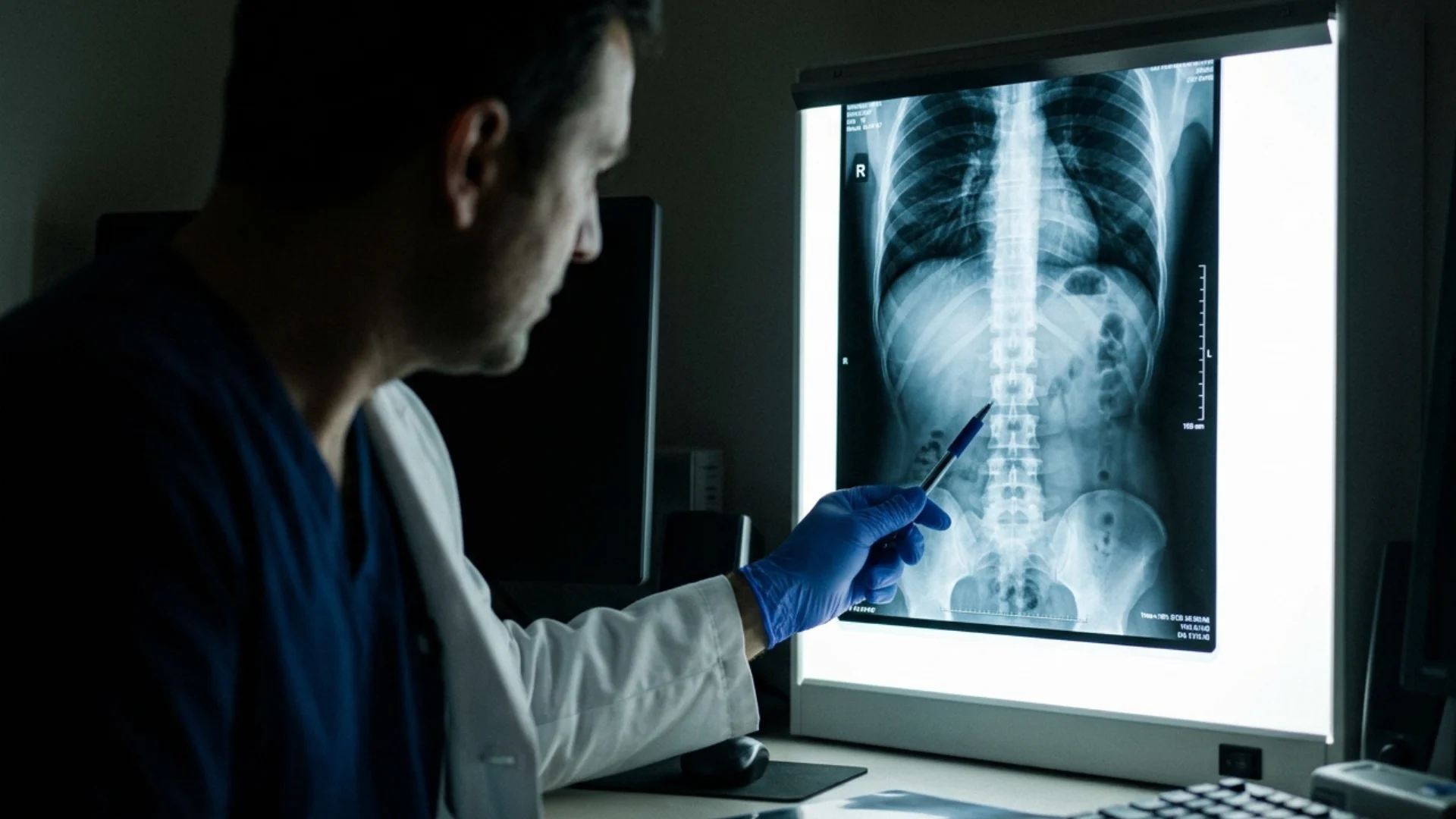
Herniated Disc Treatment in New York
Our New York herniated disc doctors review your case as one team, starting with the least invasive care that can work.
What is a herniated disc ?
A herniated disc happens when the soft center of a spinal disc pushes against or through its tough outer wall. A bulge presses outward with the wall still intact, a protrusion strains a weakened wall, and a full herniation tears through it. The pain usually follows a nearby nerve, showing up in your arm or leg instead of your back.
Many people simply call it a slipped disc. When the displaced material presses on a nerve root, the pain can shoot into an arm or leg, a pattern often called sciatica. Matching your symptoms to the exact disc and nerve is what makes herniated disc treatment work.
See how it is treated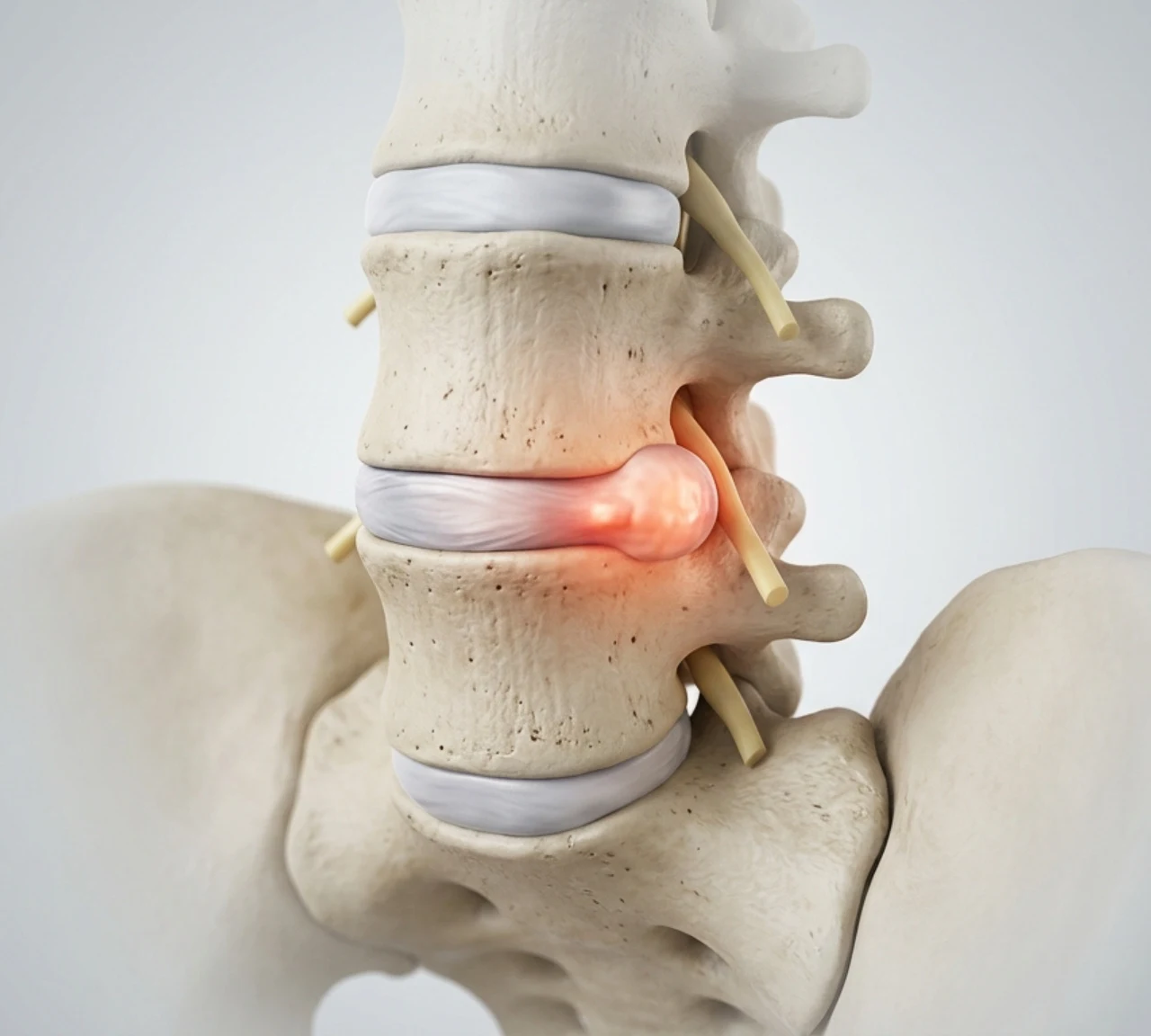
Herniated disc symptoms
A herniated disc can cause anything from a dull local ache to sharp pain that travels down an arm or leg, depending on the nerve involved.

Neck or back pain
A deep ache or stiffness right in the neck or lower back, often worse when you sit, bend, cough, or sneeze.
Pain down an arm or leg
Sharp, electric, or burning pain that travels from the neck into an arm, or from the low back down one leg.
Numbness or tingling
Pins and needles, or numbness in a specific strip of the arm, hand, leg, or foot, following the pinched nerve.
Weakness
A weaker grip, or a foot that catches or drags. New or worsening weakness deserves prompt evaluation.
What causes a herniated disc ?
A herniated disc usually reflects a mix of everyday wear and a moment of stress, and more than one factor is often at play. We look at the whole picture, not just one finding on a scan, because what is actually pressing on the nerve lets us know the right treatment.
Book an Appointment →-
01
Age-related wear
Discs dry out and lose height over time, so the outer wall thins and the soft core pushes out more easily.
-
02
Lifting and repetitive strain
Bending and twisting to lift, or long hours seated or driving, load the disc until a weakened wall gives way.
-
03
Injury or trauma
A fall, a sports impact, or a car accident can damage a healthy disc, or finish off one already worn.
-
04
Genetics and lifestyle
Family history is a major factor, and smoking, extra weight, and inactivity all speed disc wear along.
-
05
Pain after previous spine surgery
A new or recurrent disc problem after earlier spine surgery deserves a dedicated revision review, starting from a fresh diagnosis.
How is a herniated disc diagnosed?
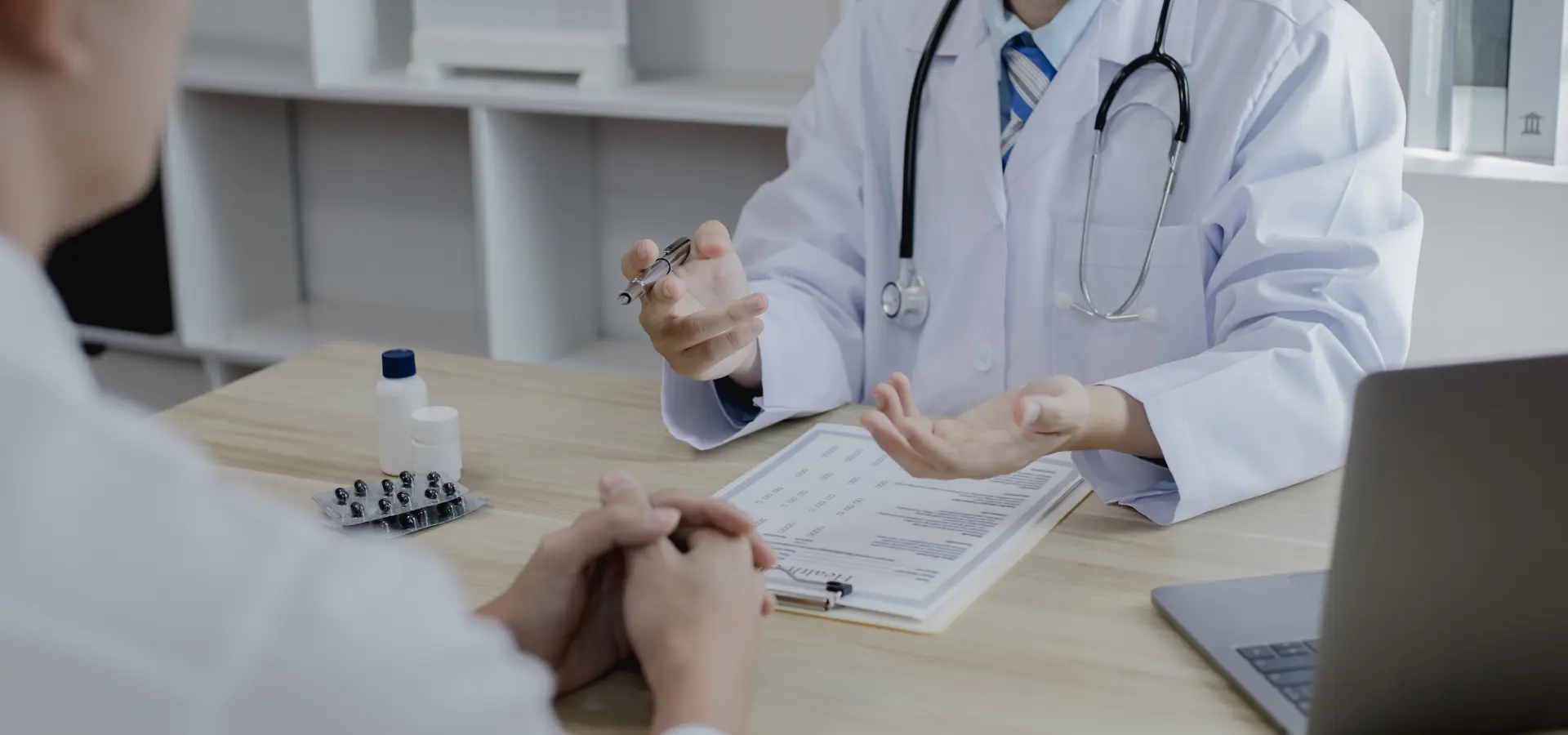
A focused exam
We listen to your story first, then test strength, reflexes, and sensation, and use simple movement tests to find the irritated nerve.
Imaging, reviewed together
MRI shows the disc and nerves most clearly. Bring any scans you have; nerve studies are added only when they would change the plan.
Team review
Our neurosurgeons and orthopedic surgeons for herniated disc review the same images together, so the diagnosis reflects both perspectives.
A plan you understand
Disc changes show up on many pain-free scans, so we proceed only when your symptoms, exam, and imaging point to the same level, then explain your diagnosis and options plainly.
Herniated disc treatment, from conservative care to surgery
Most herniated discs improve without surgery, and many shrink on their own. When surgery is the right answer, our disc protrusion surgeons choose the least invasive option that safely frees the nerve.
Conservative care first
Where nearly every plan starts
- Activity changes and short rest to calm a flare, followed by a quick return to gentle movement.
- Physical therapy to build core support and take pressure off the disc, once the sharpest pain settles.
- Medication to ease inflammation, muscle spasm, and nerve-related pain.
- Epidural steroid injections that deliver anti-inflammatory medicine around the irritated nerve when pain is severe.
Surgery, when it is the answer
Minimally invasive and motion-preserving whenever possible
- Microdiscectomy to remove only the fragment of disc pressing on the nerve.
- Endoscopic decompression through a tiny incision that spreads the muscle rather than cutting it.
- Motion-preserving disc replacement that preserves motion when a disc must be removed.
- Fusion, reserved for genuine instability or severe structural damage.

When it cannot wait: rapidly worsening weakness in both legs or arms, numbness in the groin or inner thighs, new trouble with balance or coordination, or any loss of bladder or bowel control can signal spinal cord or cauda equina compression. If this is happening, call 911 or go to the nearest emergency department immediately.
Doctors who treat Herniated Disc in New York
Our herniated disc specialist and orthopedic spine surgeons with academic-level training review your case together for patients across the New York metro area.