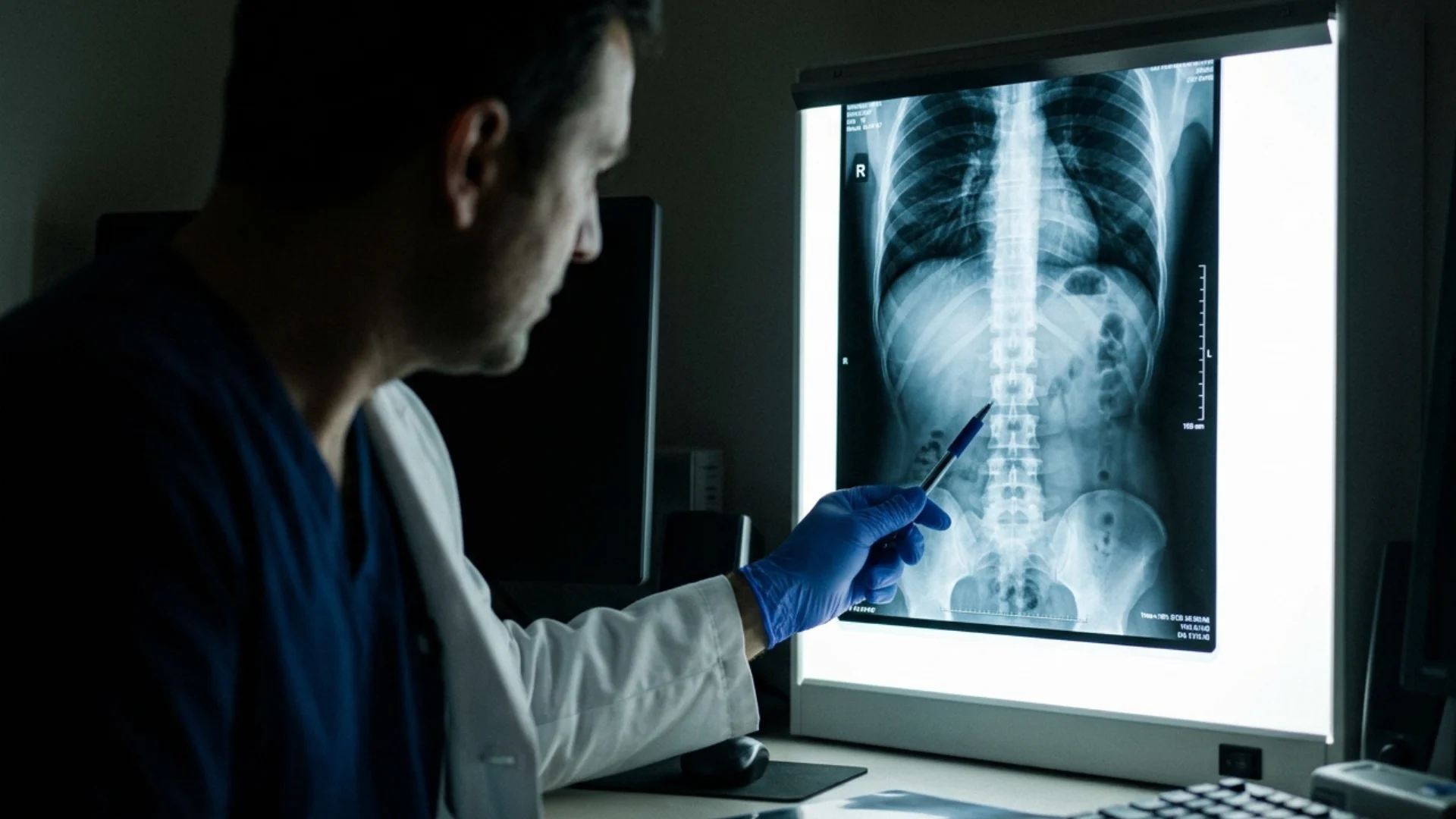
Lumbar Spine (Lower Back) Pain Treatment in New York
Our New York lumbar back pain doctors treat every lower back condition on this page as one team: neurosurgeons and orthopedic spine surgeons reviewing your case together, with brain and spine care under one plan.
What counts as lumbar back pain ?
Lower back pain is a category, not a diagnosis. The same ache can come from a disc, a joint, a muscle, or a nerve in the lumbar spine, and these conditions often overlap. Naming the source correctly is what makes lumbar back pain treatment work.
Here, we focus specifically on the lower back, not the neck or mid-back. That is why our New York practice reviews the lower back as one team, a neurosurgeon and an orthopedic spine surgeon reading the same case together, so the diagnosis reflects the whole picture.
See how it is treated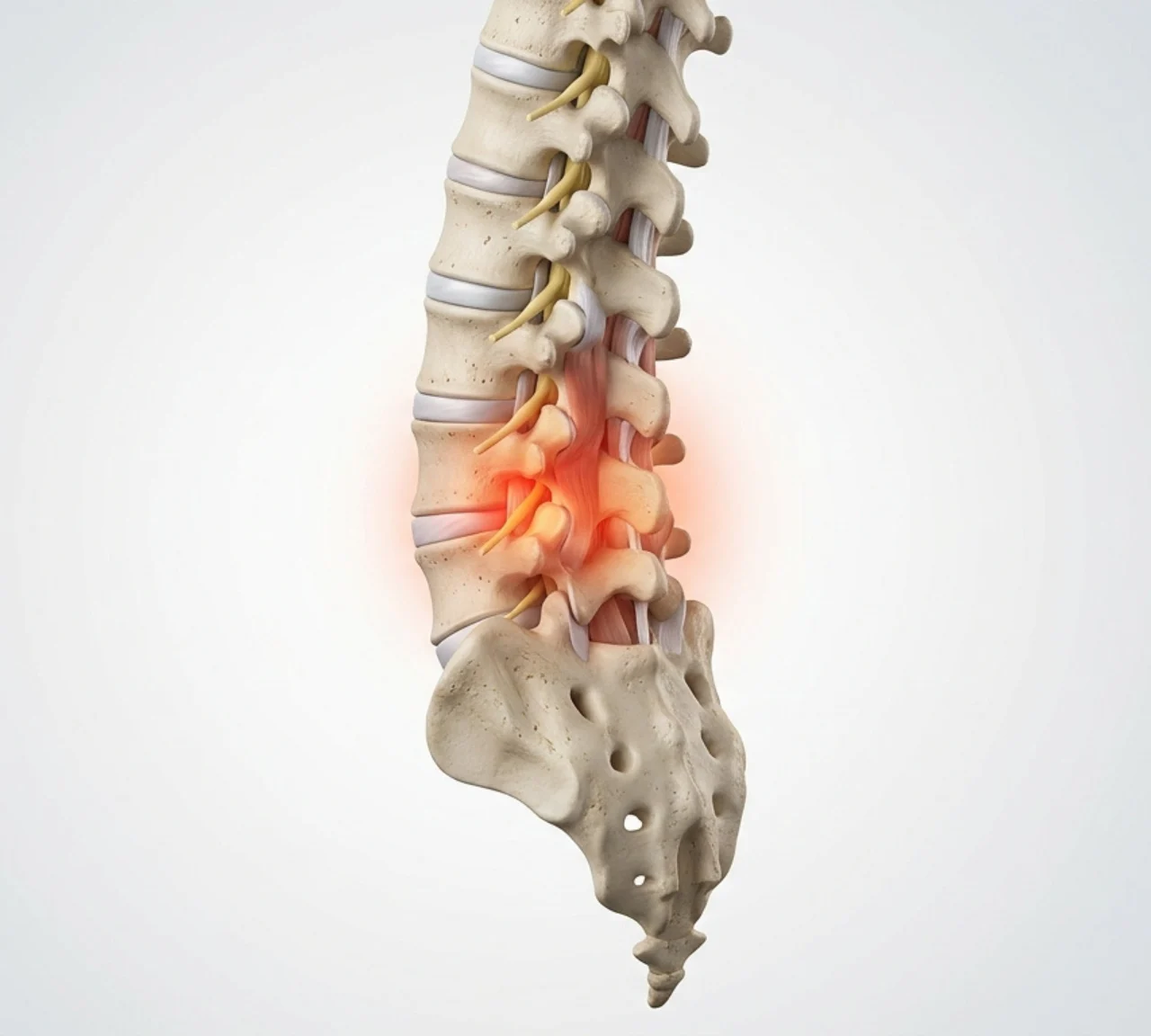
Lumbar back pain symptoms
Different lower back conditions announce themselves in similar ways. You might feel one of these, or several at once.
Persistent ache & stiffness
Deep aching low in the back with morning stiffness that eases as you move, often worse after sitting for a long stretch.

Pain with bending or lifting
A sharp catch when you bend, twist, or lift, sometimes with muscle spasms that lock the lower back for a day or two.

Pain that travels
Pain, burning, or tingling that runs from the lower back into the buttock or leg, following the path of a nerve.
Numbness or weakness (safety nudge)
New numbness, tingling, or weakness in the leg or foot deserves prompt evaluation, especially if it is getting worse.
What causes lower back pain ?
Most lower back pain is mechanical, and more than one cause is often present at the same time. Finding which ones are actually driving your pain is what guides treatment, so we look at the whole picture rather than settling on the first finding on a scan.
Book an Appointment →-
01
Muscle & ligament strain
A lift, a twist, or overuse can irritate the soft tissue that supports the lower back, the most common cause of a sudden flare.
-
02
Age-related wear
Discs are thin and dry, joints roughen, and the lower spine's tolerance for load slowly changes.
-
03
Disc & nerve involvement
A herniated disc, spur, or narrowed canal presses on a nerve, adding travelling pain into the buttock or leg.
-
04
Instability & slippage
A vertebra that slips forward or moves more than it should, called spondylolisthesis, strains everything holding it in place.
-
05
Previous spine surgery
Lower back pain that persists or returns after an operation deserves a dedicated revision review, not a repeat of the same answer.
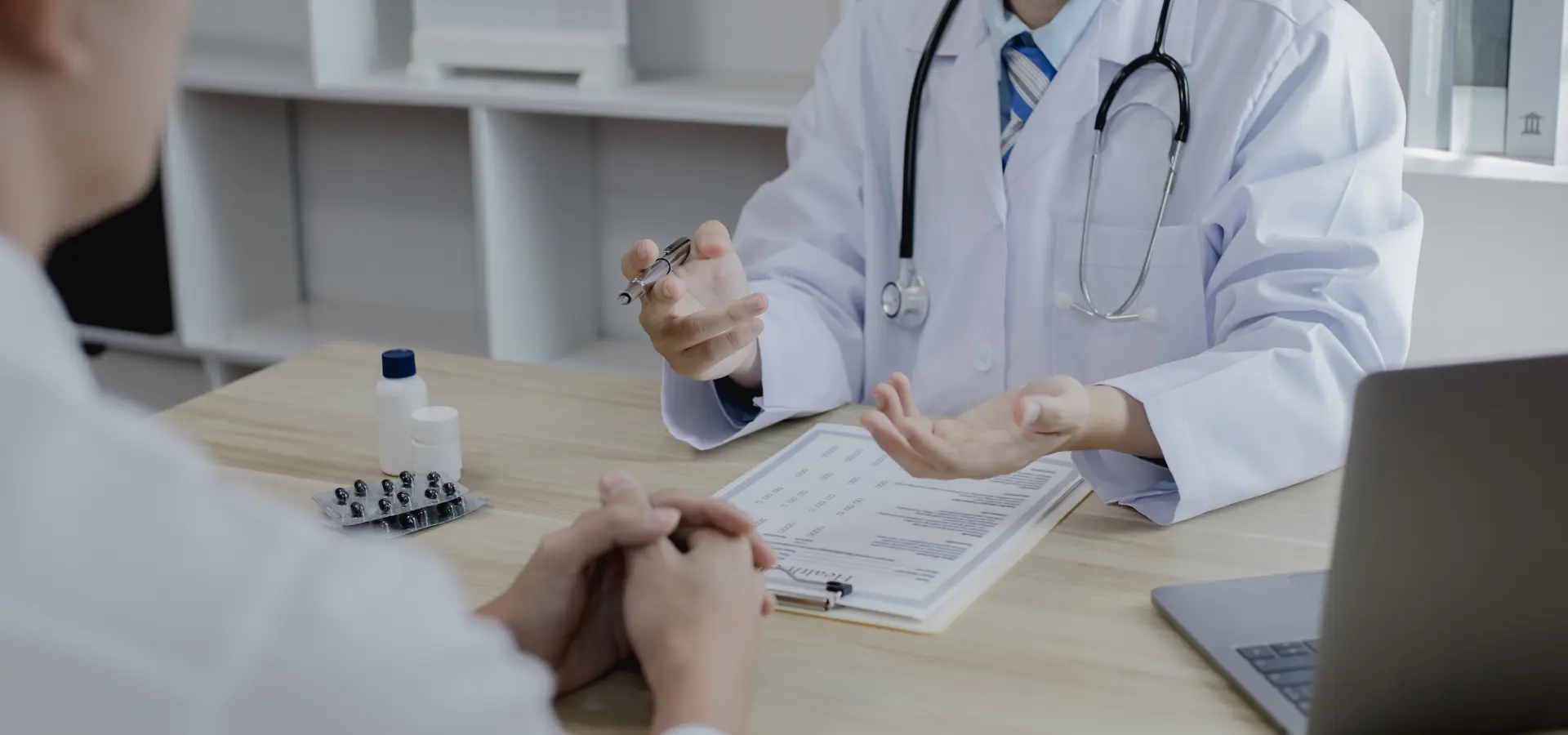
How is lumbar back pain diagnosed?
A focused exam
We listen to the story first, then assess strength, reflexes, sensation, and movement to separate muscle, joint, disc, and nerve pain.
Imaging, read with you
We order an MRI or CT when the exam calls for it. Bring existing imaging; we would rather explain it than repeat it.
Reviewed by both specialties
Neurosurgery and orthopedic spine perspectives on the same case, so nothing is forced into one specialty's lens.
A clear diagnosis
You leave with a specific diagnosis, every option explained in plain language, from conservative care to minimally invasive surgery
[Meet our physicians]
Lumbar back pain treatment, from conservative care to surgery
- Most lower back pain improves without an operation. When surgery is the right answer, we favor the smallest procedure that safely achieves the result.
- Conservative care first.
- Where nearly every plan starts.
- Activity modification and physical therapy matched to the condition behind your pain.
Surgery, when necessary
Minimally invasive and motion-preserving whenever possible
- Microdiscectomy and decompression to relieve pressure on a nerve in the lower back.
- Motion-preserving options that treat the problem while protecting how your spine moves.
- Fusion, when instability is genuinely part of the problem.
- Revision surgery for pain that persists after a previous operation.

When it cannot wait: sudden loss of bowel or bladder control, new numbness in the inner thighs or groin, or rapidly worsening leg weakness can signal cauda equina syndrome. If this is happening, call 911 or go to the nearest emergency department now.
Doctors who treat Lumbar Spine (Lower Back) Pain in New York
Neurosurgeons and orthopedic spine surgeons who review your case together, with academic-level training, caring for patients across the New York metro area.