Cervical Spine (Neck) Pain Treatment in New York
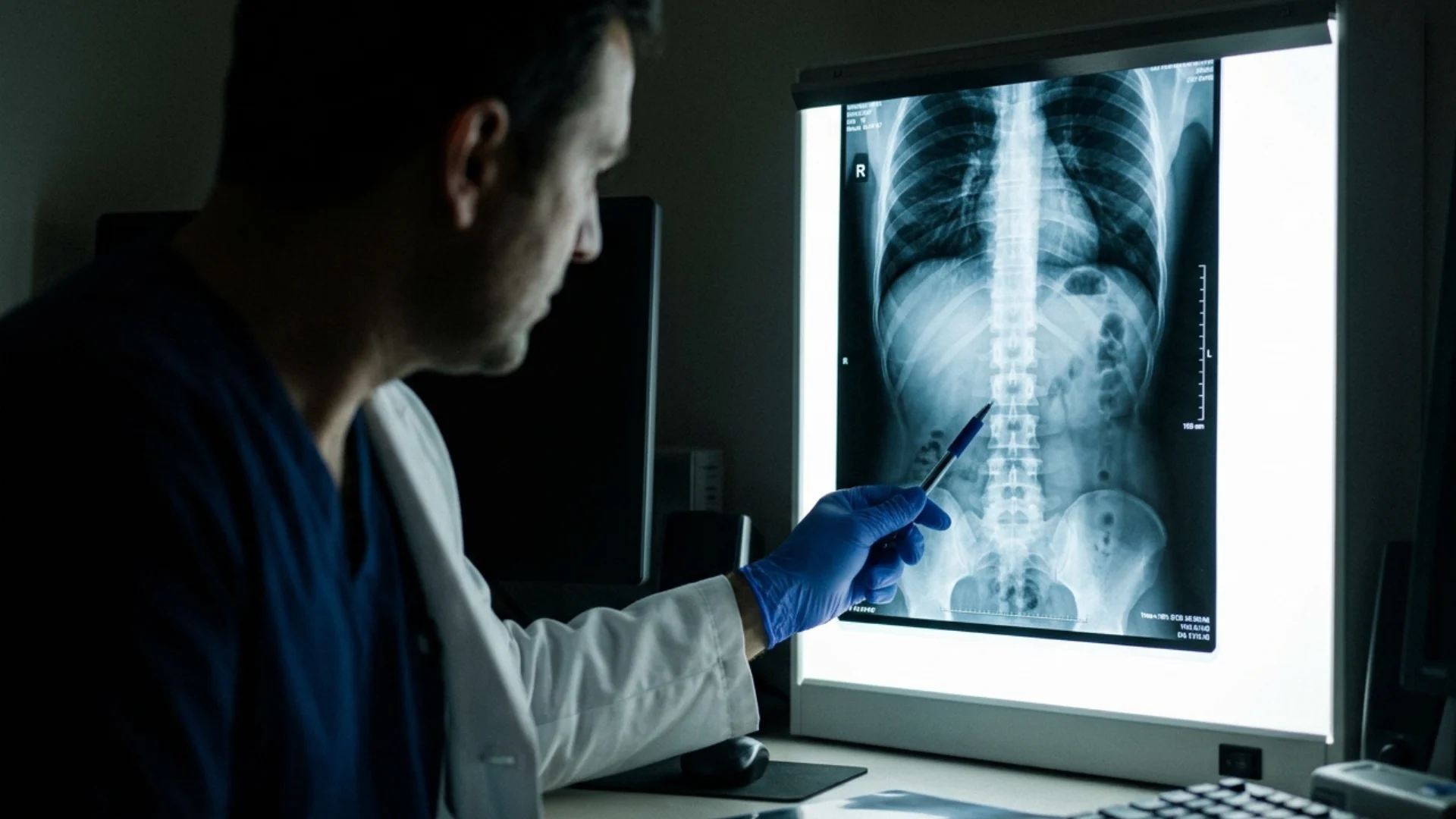
Our New York cervical spine pain doctors cover the full range of neck problems as one team: a neurosurgeon and an orthopedic spine surgeon reviewing your case together, so nothing is forced into one specialty's lens.
What counts as cervical spine pain ?
Neck pain is a category, not a single diagnosis. The seven vertebrae of the cervical spine carry your head and let it turn, so an ache there can come from a disc, a joint, a muscle, or a nerve. The trouble is not always where you feel it.
This care centers on the neck specifically, not the lower back or mid-back. That is why our New York cervical spine orthopedic doctors and neurosurgeons review the neck as one team, so the diagnosis reflects the whole picture rather than one specialty’s view.
See how it is treated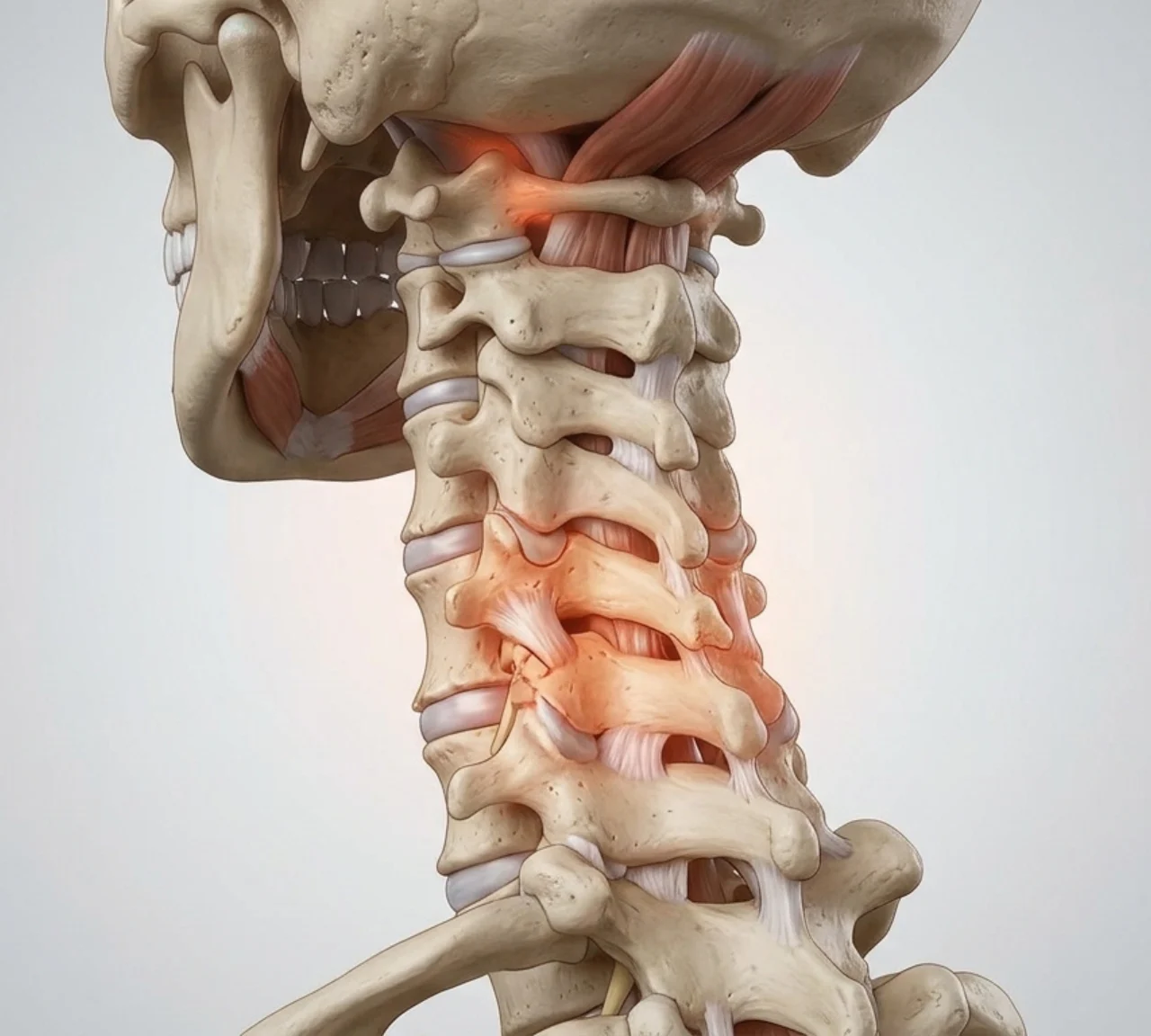
Cervical spine (neck) pain symptoms
The same neck problem can show up in different ways. You might notice one of these, or several at once.

Stiff, painful neck
A deep ache and stiffness in the neck, with pain or catching when you turn or tilt your head.

Pain into the shoulder blade or arm
Pain that spreads from the neck into the shoulder blade, or shoots down the arm into the hand.
Headache at the base of the skull
A headache that starts at the base of the skull and wraps toward the back of the head.

Numbness, tingling, or weakness
Pins and needles or numbness in the arm or hand, or a weaker grip, deserves prompt evaluation.
What causes cervical spine (neck) pain ?
Most neck pain traces to a short list of mechanical causes, and more than one is often present at once. We look at the whole picture, not a single finding on a scan, because the mechanism behind the pain decides the right treatment.
Book an Appointment →-
01
Age-related wear
Discs thin and joints roughen over time, a common change in the neck called cervical spondylosis.
-
02
Disc problems
A cervical disc can bulge or herniate and press on a nerve, adding arm pain to the neck ache.
-
03
Posture and strain
Long hours looking down at a screen or phone, called tech neck, strain the muscles and joints of the neck.
-
04
Injury
A fall or a car accident can jolt the neck, as in whiplash, and irritate discs, joints, and nerves.
-
05
Pain after previous spine surgery
When neck pain lingers after previous surgery, we start over with a dedicated revision review rather than repeating the earlier approach.

How is cervical spine (neck) pain diagnosed?
A focused exam
We listen to your story first, then test neck movement, strength, reflexes, and sensation to find the source of the pain.
Imaging, read with you
X-ray or MRI when the exam calls for it. Bring any scans you have; extra tests are added only when they would affect your treatment.
Team consultation
A neurosurgeon and an orthopedic spine surgeon review the same images together, so nothing is forced into one specialty's lens.
A clear diagnosis
You leave with a specific diagnosis and a plan explained in plain language, from conservative care to minimally invasive surgery
[Meet our physicians]
Cervical spine (neck) pain treatment, from conservative care to surgery
- Most neck pain settles without surgery. When surgery is right for your condition, we favor the least invasive one that safely relieves your pain.
- Conservative care first.
- How most neck pain settles.
- Activity changes and physical therapy to ease strain and restore neck movement.
Surgery, when the neck needs it
Minimally invasive, motion-preserving approaches
- Cervical disc replacement that removes a worn disc while preserving natural motion.
- Anterior cervical discectomy and fusion for a nerve or spinal cord compressed from the front.
- Posterior decompression to open space for a pinched nerve or the spinal cord.
- Revision surgery for neck pain that returns after an earlier operation.

When it cannot wait: new clumsiness in the hands, trouble walking or keeping your balance, weakness spreading in the arms or legs, or any loss of bladder or bowel control can signal spinal cord compression. Severe neck pain right after a major injury also needs urgent care. Call 911 or go to the nearest emergency department now.
Doctors who treat Cervical Spine (Neck) Pain in New York
Our neck pain doctors are neurosurgeons and orthopedic spine surgeons with academic-level training who review your case together for patients across the New York metro area.