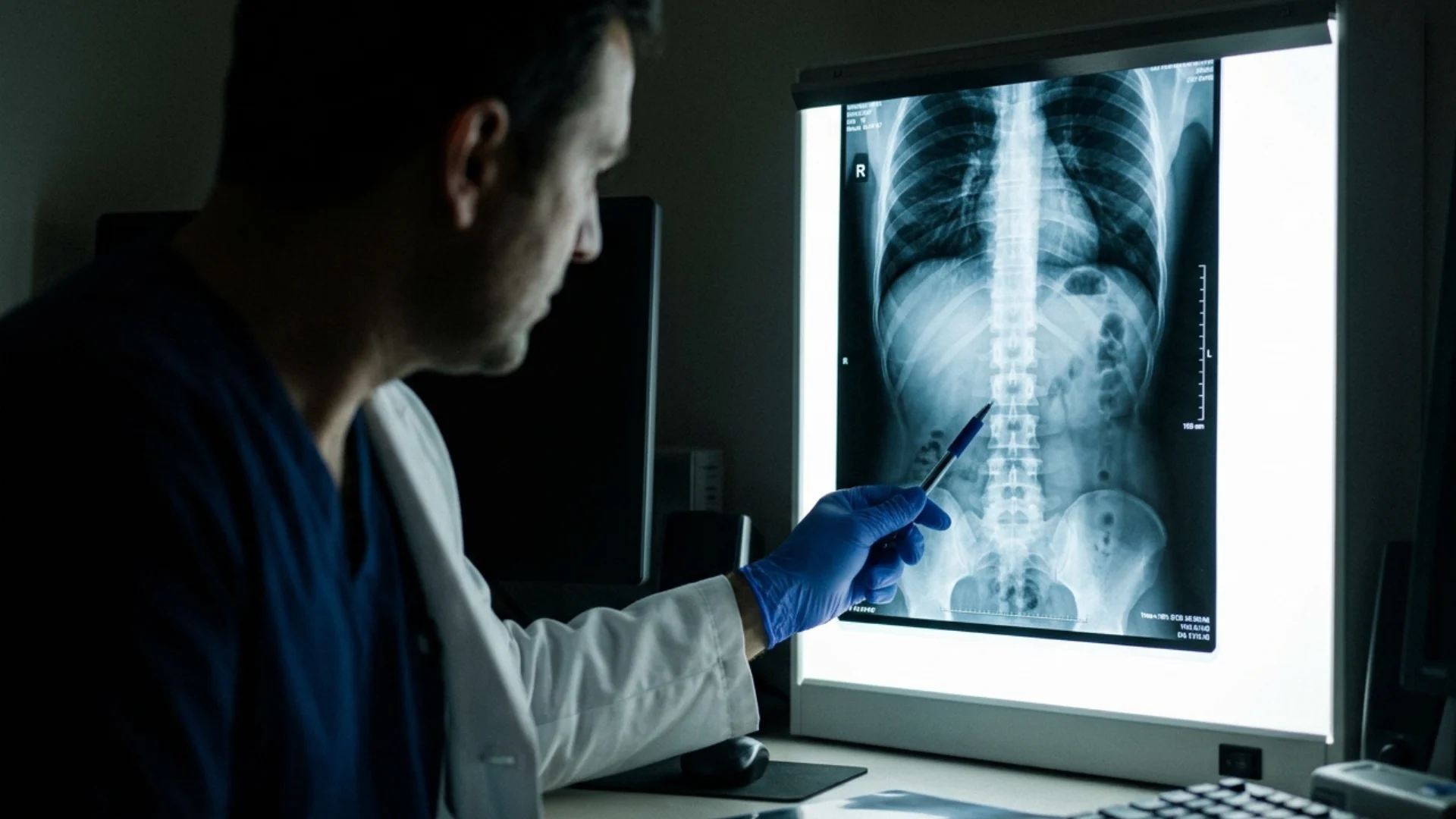
Spondylosis Treatment in New York
Our New York back pain specialists treat every condition on this page as one team: neurosurgeons and orthopedic spine surgeons reviewing your case together, from an everyday strain to a serious spine injury.
What is spondylosis ?
Spondylosis is not one injury at one level. It is the umbrella word for age-related wear in the discs, joints, and ligaments. Discs lose height, joints thicken, and spurs form. The spine moves less freely, and in some people the space for the cord and nerves narrows.
Spondylosis is osteoarthritis of the spine, also called spinal arthritis. It is broader than a Herniated Disc, a single damaged disc. Accurate diagnosis of the level and cause is what makes treatment effective.
See how it is treated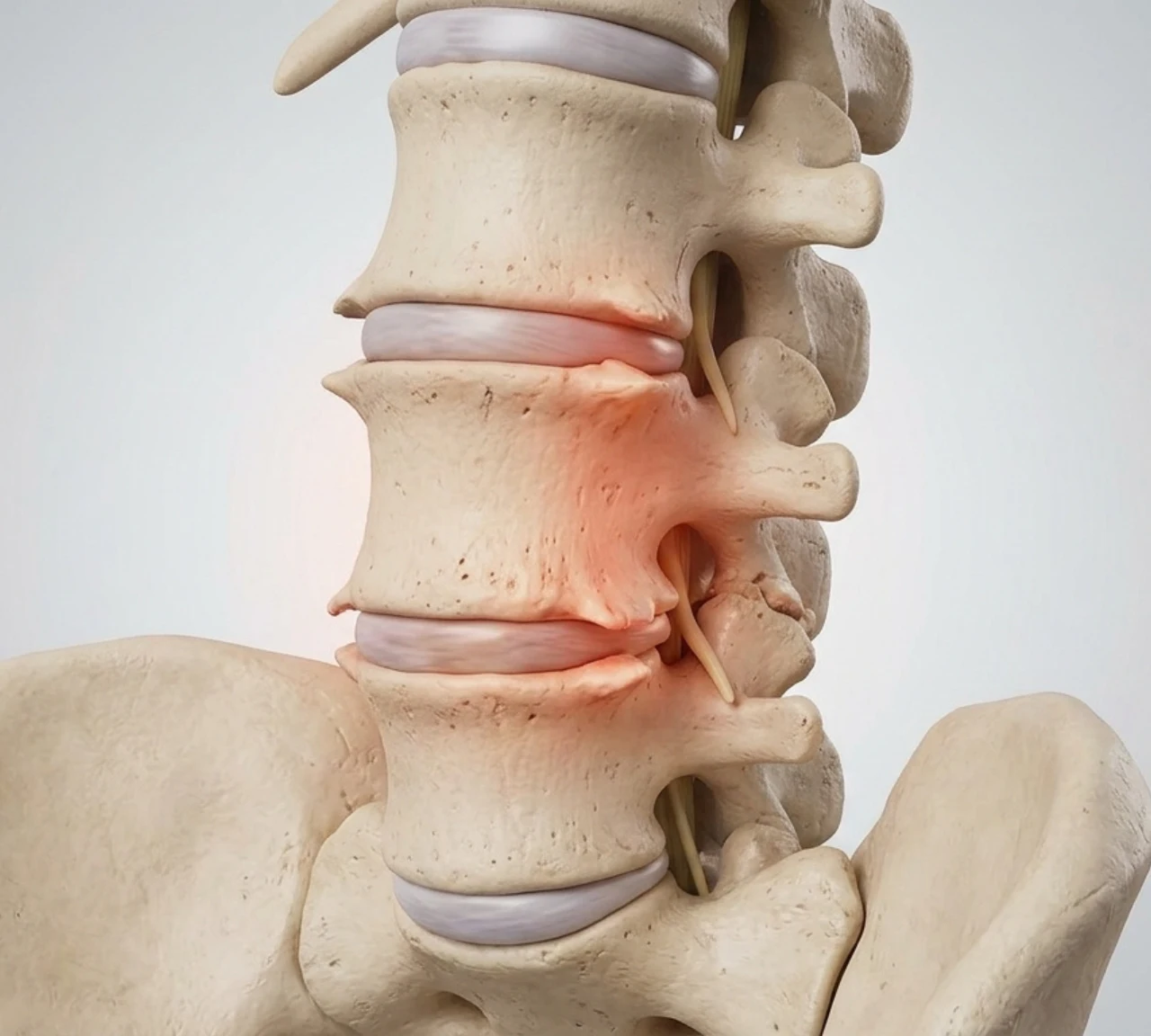
Spondylosis symptoms
Symptoms depend on the level. Cervical spondylosis causes neck pain and stiffness. Lumbar spondylosis causes low back and leg symptoms. Clumsy hands can signal Myelopathy, which is pressure on the spinal cord.

Stiffness that eases with movement
A neck or lower back that needs time and movement to loosen. Common with wear, though not specific to it.

Aching that comes and goes
A dull background soreness that flares after a long day, a cold snap, or heavy lifting.

Crunching or clicking
Worn joints can crunch or click as you turn, called crepitus. It rarely means nerve or cord damage.
Numbness or tingling
Pins and needles, dulled skin, or a weaker grip mean a nerve root is involved. Prompt evaluation matters.
What causes spinal arthritis ?
Spondylosis has no single cause. Age, inheritance, work, and old injuries all contribute to the condition. We evaluate your history, your examination, and your imaging together, rather than treating the most obvious finding on a scan.
Book an Appointment →-
01
01. Normal age-related wear
Disc and joint change appears on imaging in most adults past middle age, symptoms or not.
-
02
02. Family history
A family pattern of osteoarthritis sets the pace of wear more than any single activity does.
-
03
03. Repetitive strain
Heavy lifting, repeated bending, or long static postures at a desk or a wheel.
-
04
04. Previous spine injury
A past fracture or disc injury can speed the change at that one level.
-
05
05. Wear beside a previous fusion
Accelerated change next to an earlier fusion, called adjacent segment disease, is reviewed here in detail.

How is spondylosis diagnosed?
Your symptoms and examination
We listen first, then test motion, strength, reflexes, and sensation to see which level and which nerve are involved.
Selective imaging review
Bring what you already have. Advanced imaging is added when your symptoms suggest the cord or a nerve root is involved, not to catalogue wear that we already expect to find.
Neurosurgical and orthopedic insight
Neurosurgeons and orthopedic spine surgeons with academic-level training review your films together and agree on the diagnosis.
Your plan, explained plainly
You leave knowing which level is involved, what we recommend, what it will not fix, and what comes next.
Spondylosis treatment, from conservative care to surgery
Most spondylosis is managed without an operation. When surgery is the right answer, we choose the smallest procedure that can safely protect your motion.
Conservative treatment
Care that does not involve surgery
- Physical therapy for range of motion, strength, and posture.
- Activity and ergonomic changes that reduce repeated loading at work and home.
- Medication to manage pain and inflammation when medically appropriate.
- Image-guided injections when the examination confirms a specific pain source.
Surgical treatment
When conservative care is not enough
- Decompression to reopen a narrowed canal or nerve exit.
- Fusion where wear has produced instability.
- Motion preserving options where the anatomy allows.
- Revision surgery for breakdown beside a previous fusion.

When it cannot wait: rapidly worsening weakness or clumsiness in the hands, a new change in walking or balance, or loss of bowel or bladder control can mean the spinal cord is involved. Call 911 or go to the nearest emergency department immediately.
Doctors who treat Spondylosis in New York
Our New York Spondylosis surgeons and neurosurgeons see patients throughout the metro area, and neither specialty settles a spondylosis diagnosis without the other.